In Chad, digital violence has become a growing threat, particularly for women who dare to speak out. The case of a 16-year-old schoolgirl in 2016, who was kidnapped and subjected to a brutal gang rape—with the attack later shared online by the perpetrators—shocked the nation. A decade later, this incident remains a grim reminder of how cyberbullying persists as a tool to silence and intimidate women in the country.
Epiphanie Dionrang, president of the Chadian League for Women’s Rights, has firsthand experience with online harassment. Her activism has made her a target, exposing her to relentless digital abuse. Speaking openly about her ordeal, she highlights how social media platforms have become battlegrounds where women’s voices are drowned out by hate, threats, and humiliation.
For many Chadian women, posting a photo or expressing an opinion online can trigger a wave of gender-based cyberviolence. The consequences extend far beyond the digital realm, inflicting deep psychological wounds and stifling public participation. Dionrang’s testimony sheds light on the urgent need for stronger measures to combat this silent epidemic.
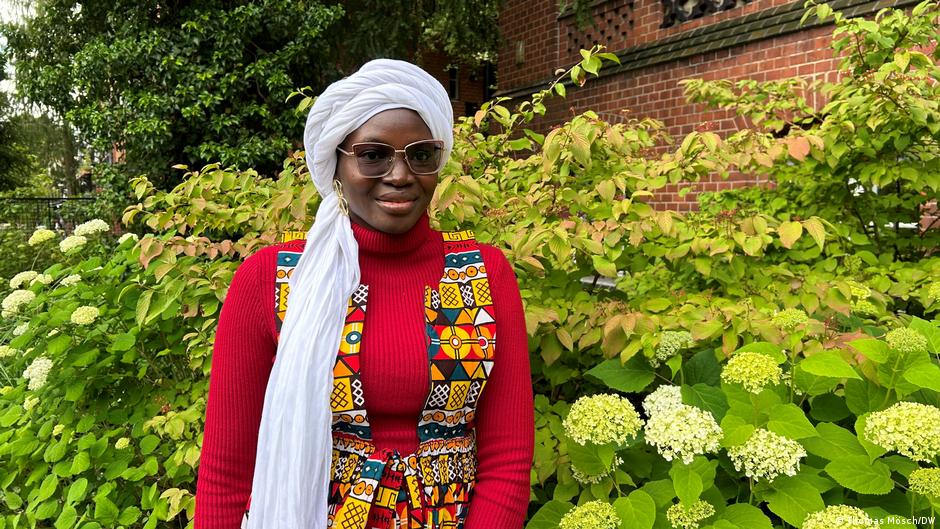
Epiphanie Dionrang: a voice against online abuse
How does your role as president of the Chadian League for Women’s Rights intersect with the fight against cyberbullying?
Epiphanie Dionrang: Cyberbullying is yet another form of violence women face daily—whether as young girls or adults. I’ve personally experienced it because of my advocacy. It’s part of the broader pattern of violence against women in our society.
What forms does this harassment take?
Epiphanie Dionrang: The tactics vary widely. Victims receive sexist insults, death threats, and coordinated harassment campaigns. Even private messages or calls can become weapons of intimidation. The goal is to silence, humiliate, and isolate. Some attackers use fake profiles or target women with opposing views, while others may be acquaintances or former friends exploiting personal grievances.
The heavy toll of digital abuse
How does cyberbullying affect its victims?
Epiphanie Dionrang: The impact is devastating. Victims often suffer chronic stress, anxiety, and depression. Many experience insomnia, a loss of self-esteem, and even suicidal thoughts. Some withdraw from public life entirely, avoiding social media or professional engagements to escape further abuse. The emotional and psychological damage can spill into their careers, social circles, and personal relationships.
Are there patterns among cyberharassers?
Epiphanie Dionrang: Not always. Some attackers hide behind anonymous profiles, while others are people known to the victim. What’s clear is that many operate without fear of consequences. In Chad, the justice system struggles to address these crimes effectively. Even when victims file complaints, investigations stall, and perpetrators evade accountability.
There’s no dedicated digital law in Chad to prosecute online harassment, leaving victims with little recourse. The National Agency for Computer Security, tasked with cybercrime prevention, often falls short. Awareness campaigns exist, but enforcement remains weak. Many victims hesitate to report abuse because they fear retaliation or believe no action will be taken.
Breaking the silence: a call for systemic change
A Chadian filmmaker, Aché Ahmat Moustapha, produced a documentary titled “Harcèlement 2.0: The Resilience of Connected African Women”, featuring survivors like you. How does this project contribute to the fight against cyberbullying?
Epiphanie Dionrang: The documentary has been a powerful tool for breaking the silence. Screenings across Chad have given women the courage to share their stories. It’s not just about raising awareness—it’s about creating safe spaces where victims feel heard and believed. Too often, social media judgment piles on the abuse, with little support for survivors.
The film has sparked conversations in Chad and beyond, proving that collective action is possible. Yet, the work is far from over. We need urgent legal reforms, stronger enforcement, and a cultural shift that rejects victim-blaming. Until then, women’s voices will continue to face digital suppression.