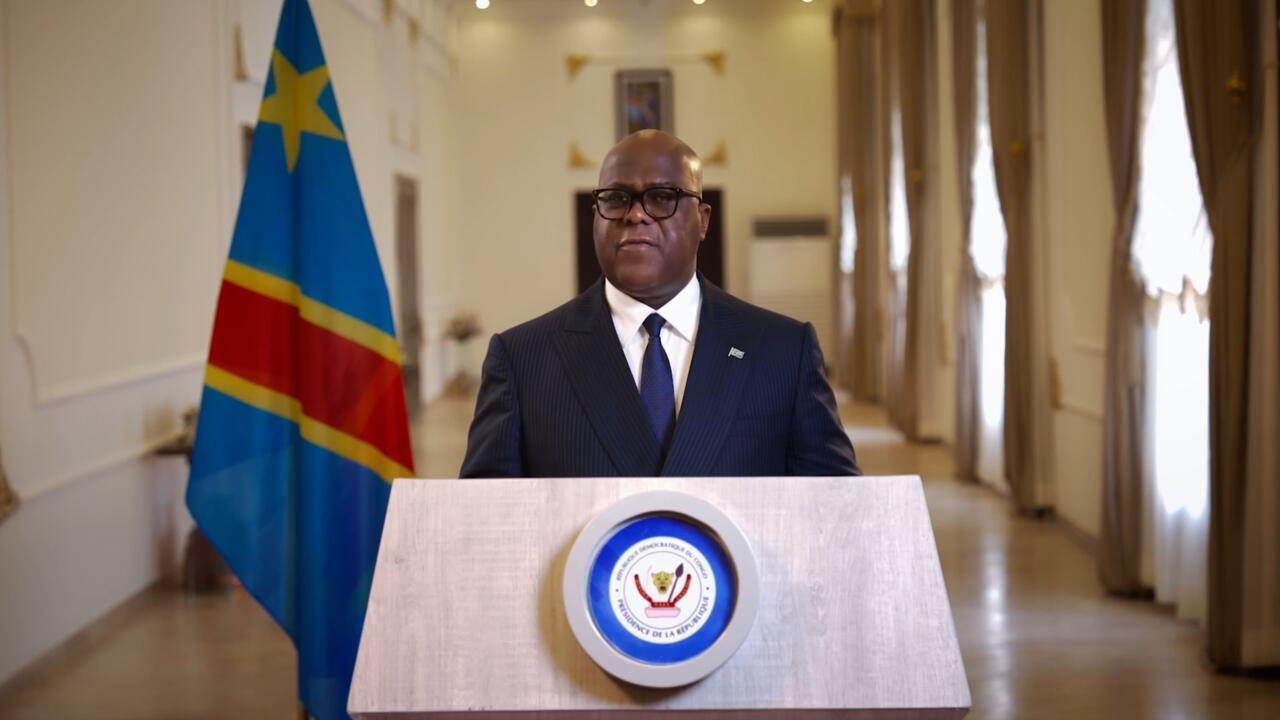
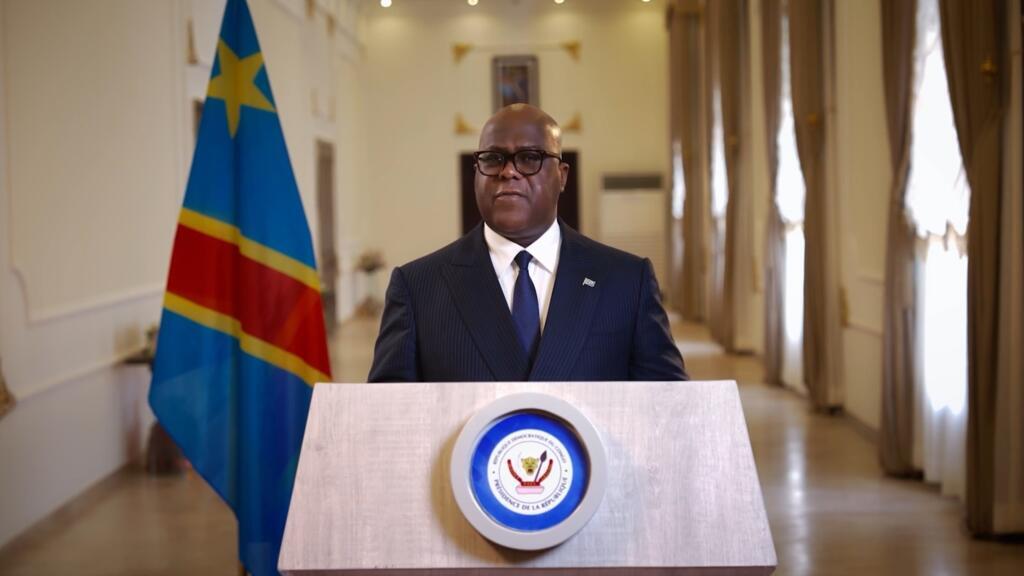
The suspense has ended in Kinshasa: the Constitutional Court has affirmed the conformity of the law governing referendums in the Democratic Republic of Congo. This pivotal decision has intensified a deep division within the Congolese political landscape.
Behind this ruling, a significant debate unfolds. For the opposition, the law potentially paves the way for a constitutional reform that could enable the head of state to extend his time in power. The presidential camp, however, vehemently rejects this interpretation, asserting that the reform aims solely to enhance the functionality of national institutions.
President Félix Tshisekedi, 63, who assumed office in 2019, is nearing the conclusion of his second term in late 2028. The current Congolese Constitution explicitly states that the number and duration of presidential terms are not subject to revision. Nevertheless, during a rare press conference in early May, President Tshisekedi declared that he had not
Related Posts
Burkina Faso opens doors to exiles with judicial accountability
The President of Burkina Faso, Captain Ibrahim Traoré, has issued an official statement that signifies a pivotal moment in the…
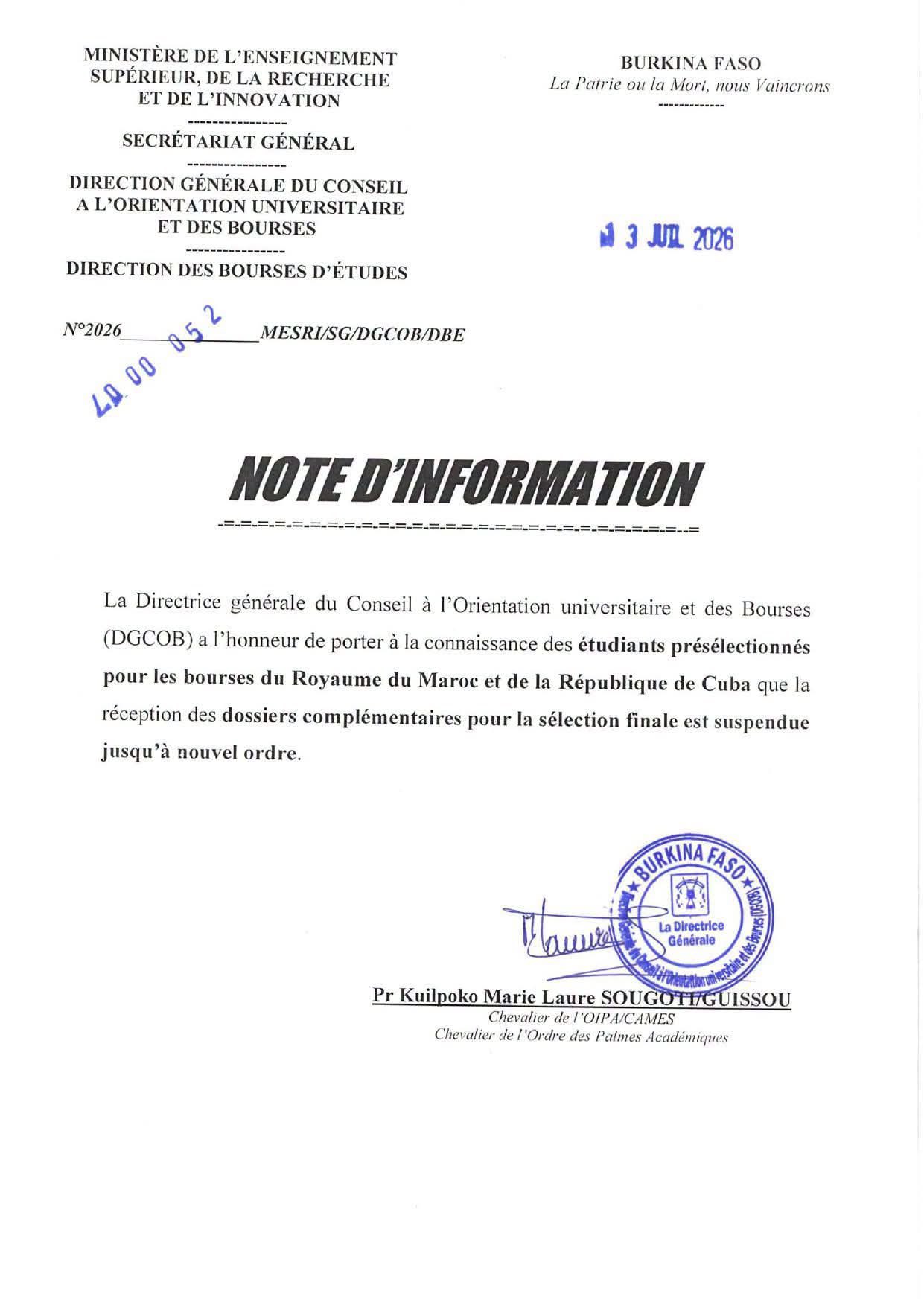
Burkina Faso: traoré regime’s scholarship cuts imperil youth’s future
The abrupt and unilateral decision by Burkinabè authorities to terminate scholarships for students pursuing studies in Morocco has sparked more…
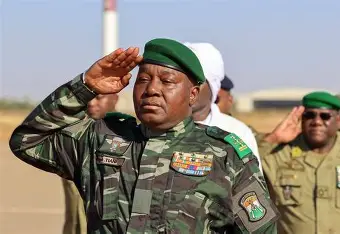
Three years of Niger’s tiani regime: security failures and economic decline
Three years after General Abdourahamane Tiani seized power in Niamey, citing an unmanageable security crisis, the Nigerien government’s initial promises…