What we know about the detention of influential imam Mohamed Ishaq Kindo
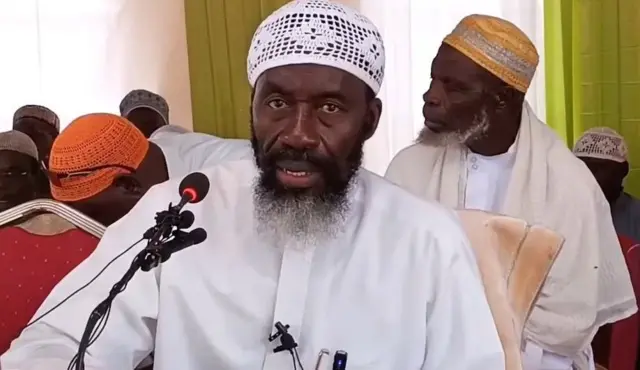
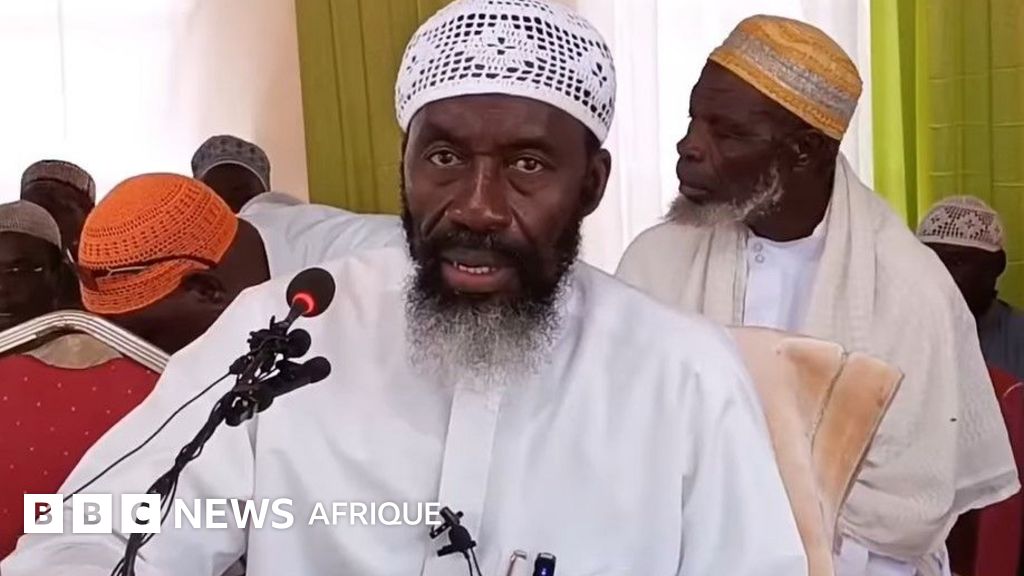
On Tuesday, May 26, a prominent moment sent shockwaves through Burkina Faso’s religious landscape. Mohamed Ishaq Kindo, a respected Sunni imam and influential spiritual leader, was taken into custody by armed security forces in Ouagadougou. The circumstances surrounding his arrest remain shrouded in mystery, with no official explanation provided by authorities.
The Federation of Islamic Associations in Burkina Faso (FAIB) swiftly issued a statement following the incident. As the leader of the country’s Sunni clerics, Kindo was detained in the afternoon without clear justification. The organization announced it had initiated formal inquiries with government agencies to secure transparency and advocate for his swift release.
Violent arrest sparks community outrage
Witnesses described a dramatic scene as security personnel—including police and masked military units—conducted the operation around 2:00 PM local time, just days before the Eid al-Adha celebrations. Tensions escalated when supporters attempted to intervene, leading to clashes marked by violence. Several worshippers sustained injuries during the confrontation, according to local accounts.
Kindo had recently voiced strong opposition to a contentious religious freedom bill adopted in March. In a widely circulated sermon recording, he criticized the law’s provisions, urging authorities to reconsider their approach. “Beware of trying to ban public prayers,” he warned. “No leader, no matter how powerful, can defy divine will.”
Mass protests erupt in Ouagadougou
Within hours of the imam’s detention, hundreds of demonstrators gathered in Ouagadougou’s streets, demanding his immediate release. Protesters chanted slogans and carried signs, but their assembly was met with force as police deployed tear gas to disperse the crowd. The FAIB called for calm, urging Muslims to remain measured and avoid escalation.
The timing of the arrest, coinciding with Eid al-Adha, amplified tensions. After performing the Tabaski prayers, the Burkinabe president addressed the nation via social media. While praising security forces battling jihadist groups, he issued a stern warning to those disrupting national stability. “Anyone disrupting peace will face full accountability,” he declared. Yet, no official statement has addressed Kindo’s detention directly.
New religious law fuels debate
The controversial legislation, passed in late March, seeks to regulate religious practices to curb online extremism and hate speech. Authorities argue the law is necessary to combat radicalization and maintain national cohesion. While prayers in public spaces remain permitted, the bill prohibits constructing religious buildings in government facilities—except in healthcare centers, prisons, and military barracks. The state’s inability to accommodate all faiths equally led to this blanket restriction.
Since Captain Ibrahim Traoré’s rise to power nearly four years ago, Burkina Faso has operated under a military-led government. The administration defends its stringent policies as essential to combating over a decade of jihadist insurgency in the region. Yet, critics argue such measures risk suppressing dissent under the guise of security.
The imam’s fate now hangs in the balance, with his followers awaiting clarity—and justice.