Chad’s reconciliation strategy: how presidential pardons shape political narratives
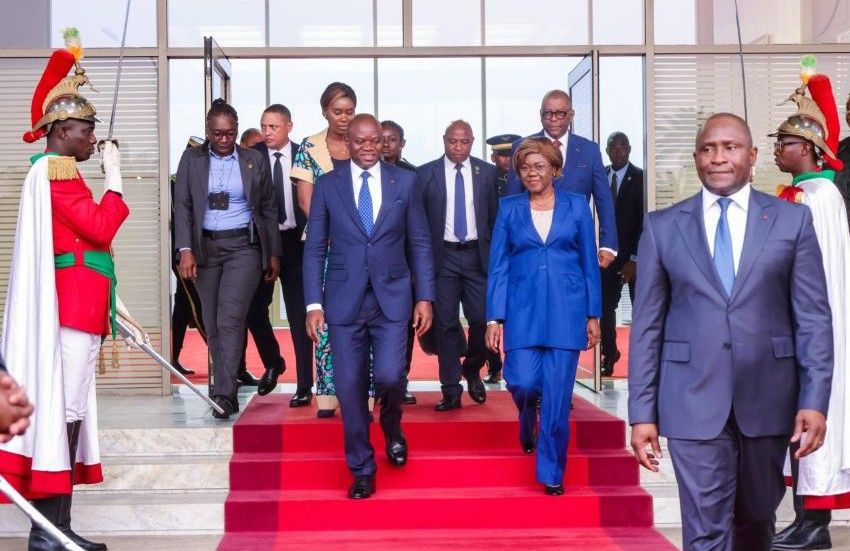
In a carefully staged address marking Chad’s independence anniversary, President Mahamat Idriss Déby Itno unveiled a dual strategy blending firm governance with calculated magnanimity. The speech, delivered on August 11, reflects a classic political communication tactic: leveraging public sentiment through a mix of accountability rhetoric and strategic clemency.
By spotlighting systemic issues like corruption and nepotism while signaling an imminent presidential pardon, the administration crafts an image of decisive action—one that masks deeper political calculations behind a veneer of reform.
Semantic distraction: condemning flaws to deflect responsibility
The first layer of this strategy involves co-opting opposition language. By labeling corruption and embezzlement as “obstacles to development,” the president reframes systemic failures as isolated incidents, positioning himself as a reformer while sidestepping accountability for governance since April 2021. Announcements of “surprise inspections” and sanctions further create an illusion of immediate action, shifting blame for structural failures onto unnamed subordinates.
Pardon vs. amnesty: the trap of conditional clemency
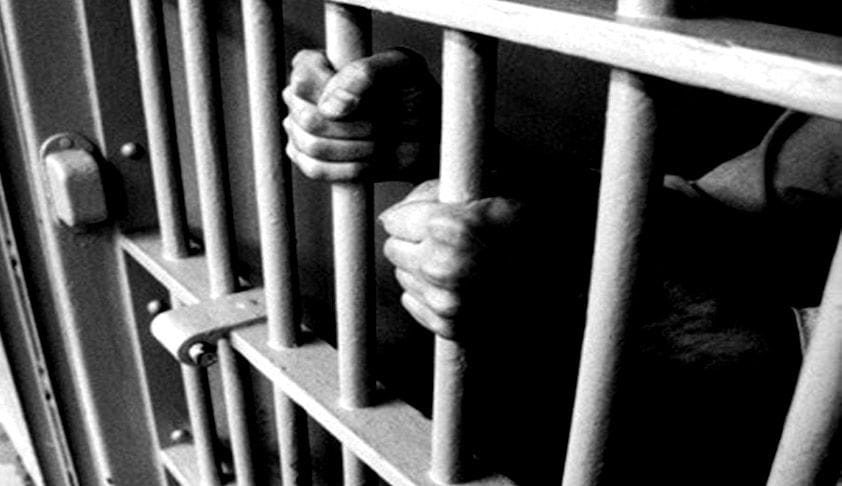
The core of this performance lies in the legal instruments chosen. A presidential pardon, presented as a national peace gesture, is a potent political tool. Unlike blanket amnesty—which erases legal consequences—a pardon only suspends a sentence, leaving convictions intact. This distinction is critical: it allows the regime to maintain leverage over recipients, whose political futures remain hostage to the president’s mercy. Opposition leaders, for instance, may find their influence diluted by the stigma of a pardoned conviction, reinforcing the president’s dominance in the national narrative.
Such asymmetry turns reconciliation into a unilateral act of state power, where social peace is granted rather than negotiated.
Unequal justice: the risk of deepening divisions
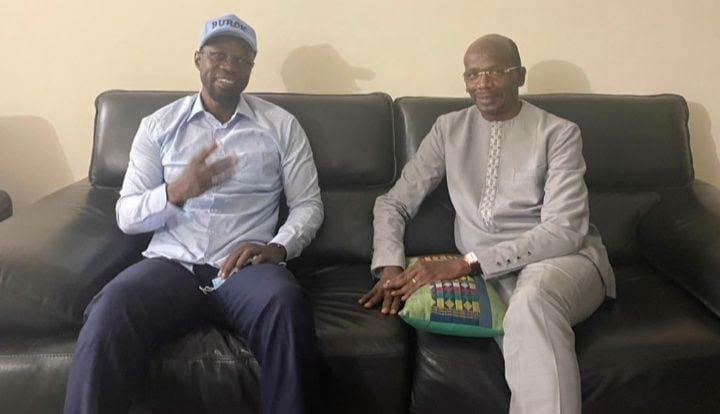
Scrutiny of this approach reveals a glaring double standard. Armed groups have benefited from amnesty under the guise of transition and stability, while peaceful opposition figures—such as those linked to the Transformers movement—face prosecution and marginalization under heavy accusations. This selective enforcement fuels perceptions of bias, exacerbating regional and political divides rather than fostering unity.
Historical precedents in national reconciliation underscore the need for inclusive mechanisms, genuine dialogue, and equitable treatment—elements conspicuously absent in this strategy.
The gap between rhetoric and reality
The speech’s emphasis on essential needs—water, electricity, infrastructure, and justice—may come across as an attempt to connect emotionally with citizens without committing to measurable outcomes. While acknowledging public distress, the address lacks concrete benchmarks or timelines, leaving the impression of performative empathy designed to occupy the media cycle rather than drive meaningful change.
Ultimately, this performance reveals a calculated effort to shape public perception by balancing firmness with staged benevolence. Beneath the reconciliatory language, however, lies a determination to preserve the political status quo—one where power remains centralized and dissent is managed through conditional clemency.