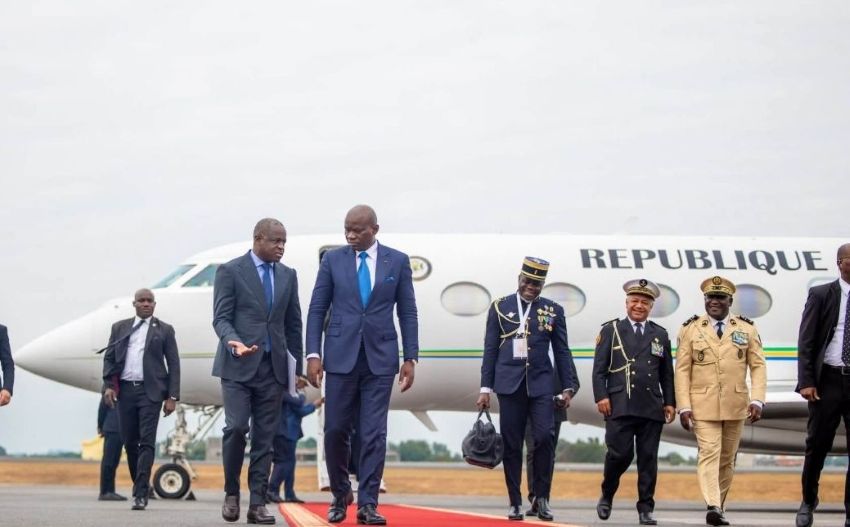
Political unrest has swept across West Africa, with multiple coups d’état disrupting stability in the Sahel, Guinea, and most recently Guinea-Bissau during this decade. The region’s instability has prompted France to intensify diplomatic efforts, particularly in Benin, where a recent coup attempt has raised concerns about regional security.
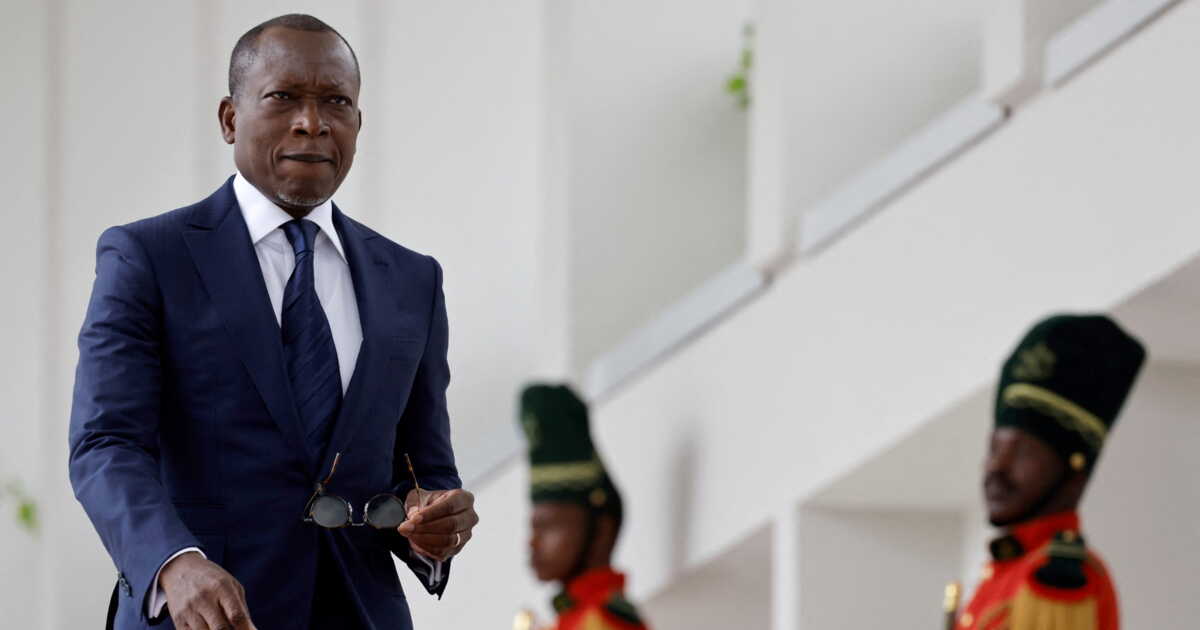
The Elysée confirmed that President Emmanuel Macron has been actively coordinating with regional leaders to address the crisis. Following consultations with President Patrice Talon of Benin, as well as counterparts from Nigeria and Sierra Leone—the latter currently holding the ECOWAS presidency—Macron reiterated France’s full political support for the regional bloc’s efforts.
A French presidential advisor emphasized that France is committed to working closely with ECOWAS, which has taken decisive action over the weekend to restore constitutional order in Benin.
Military mutiny in Benin: a brief timeline
On Sunday morning, eight soldiers broadcast a televised message declaring the ousting of President Patrice Talon. By evening, Benin’s government announced that the situation was fully under control. However, clashes between mutineers and loyal forces resulted in multiple casualties.
To regain control, Benin received critical support from neighboring Nigeria. Nigerian forces launched airstrikes on the Togbin military base in Cotonou, where mutineers had barricaded themselves after their televised announcement. Nigerian troops subsequently secured the base by early Monday, reinforcing Benin’s stability.
ECOWAS responds to the crisis
ECOWAS swiftly deployed military reinforcements from four member states late Sunday, aiming to preserve constitutional order in Benin. The bloc’s president, Omar Alieu Touray, described the situation as an emergency, citing both the spread of jihadist threats and the surge in coups d’état across the region.
A dozen soldiers involved in the mutiny have been arrested, though key figures, including Lieutenant-Colonel Pascal Tigri, remain at large. The mutineers had briefly taken hostage two high-ranking officers—Army Chief of Staff Abou Issa and National Guard Chief Faïzou Gomina—who were released on Monday.
Benin’s political landscape under scrutiny
While President Patrice Talon, who has led Benin since 2016, is credited with economic progress, critics argue his administration has adopted increasingly authoritarian measures. His tenure concludes in April with the presidential election, as constitutional term limits prevent further reelection.
Romuald Wadagni, the Minister of Finance and Talon’s favored successor, is the frontrunner in the upcoming vote. However, the Démocrates party, led by former President Thomas Boni Yayi (2006–2016), has been barred from participating due to insufficient endorsements.
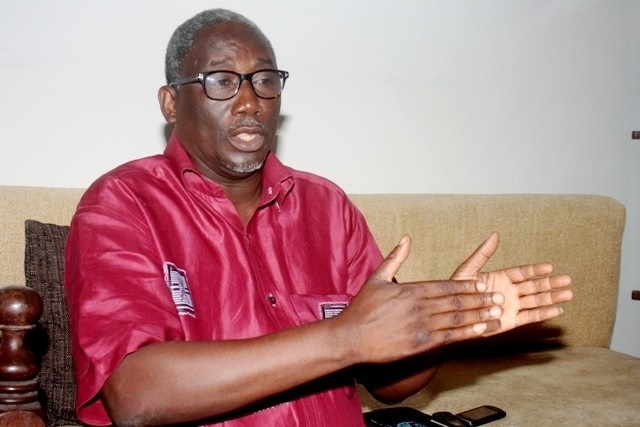
Boni Yayi strongly condemned the coup attempt, stating, “I firmly and rigorously condemn this bloody and despicable attack on our nation,” while advocating for free and transparent elections.
ECOWAS President Omar Alieu Touray highlighted a growing trend in the region, noting that electoral processes have become a major source of instability. He also pointed to the declining inclusivity of elections in several ECOWAS member states.