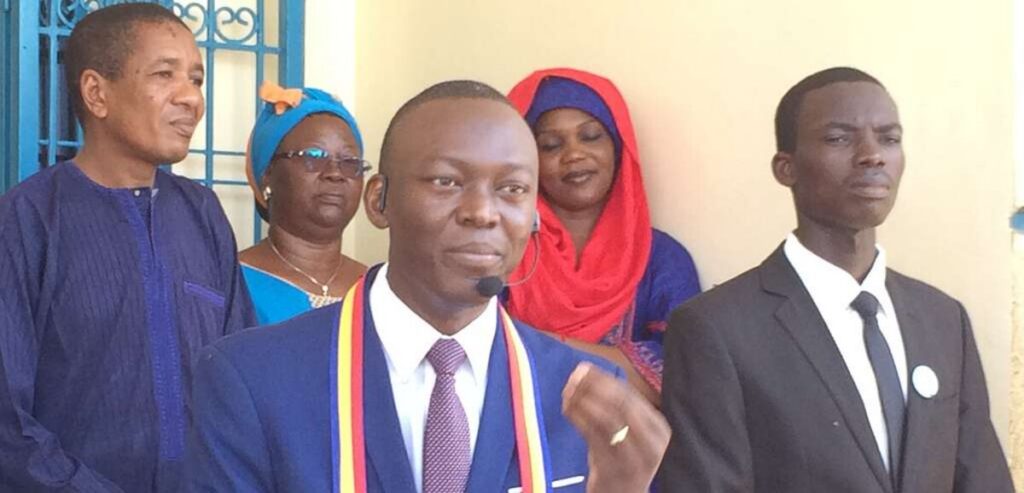
In a significant development for Chadian politics, former Prime Minister and prominent opposition figure Succès Masra has been granted a full presidential pardon by President Mahamat Idriss Déby. This act of clemency, announced on Friday, brings an end to a prison sentence of 20 years that Masra had been serving for over a year.
A presidential pardon granted
The decree, officially published by the Chadian presidency on Friday and personally signed by President Mahamat Idriss Déby, confirms the complete remission of Succès Masra’s prison term. Masra, who previously served as Prime Minister and leads the opposition party Les Transformateurs, had been incarcerated for more than twelve months following his 20-year firm prison sentence. This presidential grace ensures “a total remission of custodial sentences for the condemned,” as stated in the official document.
A significant opposition figure
Succès Masra stands as one of Chad’s most influential opposition personalities. An economist by profession, he was appointed Premier Minister in January 2024, just months before the presidential election, which saw Mahamat Idriss Déby emerge victorious. His political party had openly challenged the electoral process, citing numerous irregularities during the ballot. This pardon unfolds within a political landscape where Chadian authorities have expressed a clear intent to solidify President Déby’s power, who assumed leadership of the nation after the passing of his father, Idriss Déby Itno, in 2021.
Political implications of the gesture
The release of Succès Masra is poised to be a politically impactful decision, particularly given that his initial arrest and subsequent conviction had provoked considerable reactions both within Chad and internationally. While this presidential pardon concludes his detention, it simultaneously reopens discussions about his future political trajectory in a country where opposition movements frequently face substantial restrictions.
You may also like
Lyon’s goalless stalemate with Chelsea: the real-world fallout for fans, clubs and the women’s game
Eastern DRC peace mediation: what the latest Tshisekedi letter to Gnassingbé means for civilians and local businesses
Mali: JNIM ambush on Russian Africa Corps convoy near Niono — what it means for civilians and local trade
Mali’s poverty crisis: how hunger and hardship are reshaping daily life for millions
Guinea-Bissau’s December election: what Embaló’s return means for daily life, stability and the economy