Chad: judicial tensions ease after security minister’s clarification
A high-level meeting in N’Djamena aimed to de-escalate tensions between Chad’s magistrates and the Security Minister following misinterpreted remarks. Promises of apologies and clarifications were made to rebuild trust.
On May 27, 2026, a pivotal meeting convened at the Ministry of Justice in N’Djamena, Chad, specifically to alleviate the growing tensions ignited by recent public statements from the Minister of Public Security and Immigration. This significant gathering brought together several high-ranking officials, including the Minister of Justice, Mme Ndolenodji Alixe Naimbaye, and the Minister of Public Security, Ali Ahmat Aghabache.
Minister of Justice Naimbaye underscored the critical importance of fostering dialogue between state institutions and maintaining an atmosphere of calm and mutual respect. Minister Aghabache, for his part, explained that his controversial remarks, originally delivered during a discussion concerning the occupation of public land, had been extensively misinterpreted due to selective video montages. He firmly asserted that he never intended to criticize the judiciary and expressed deep regret over the inaccurate and misleading dissemination of his comments.
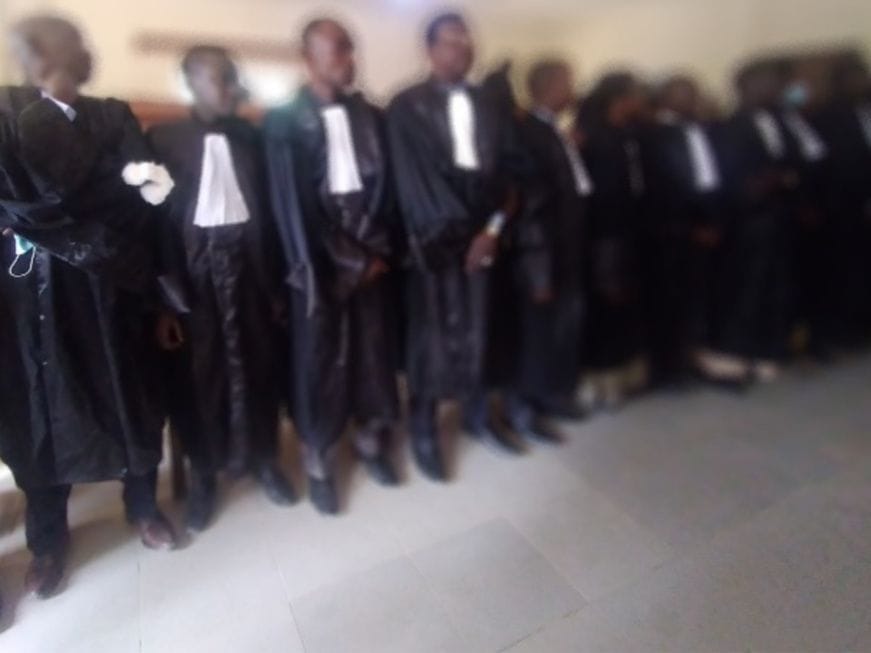
Representatives from judicial unions articulated their profound concerns, viewing the minister’s initial pronouncements as a direct challenge to the independence of the magistracy. However, they acknowledged and welcomed the apologies extended by both the government and Minister Aghabache, while simultaneously requesting further precise clarifications regarding certain phrases they found ambiguous.
The minister conceded that his original statements indeed possessed the potential for misinterpretation and committed to promptly publishing a clear, unambiguous apology. The Premier President of the Supreme Court strongly advocated for continuous institutional dialogue as an essential mechanism for preserving stability and upholding public trust within Chad’s judicial system.
All participants ultimately agreed to refine any unclear elements within the forthcoming letter of apology and to subsequently issue an official communiqué. This public statement would serve to explain the comprehensive reconciliation efforts undertaken. The discussions concluded in a notably more peaceful and understanding atmosphere, signaling a positive step towards resolving the dispute.