Cultural preservation
UNESCO and SAVAMA-DCI strengthen Mali’s ancient manuscript preservation efforts
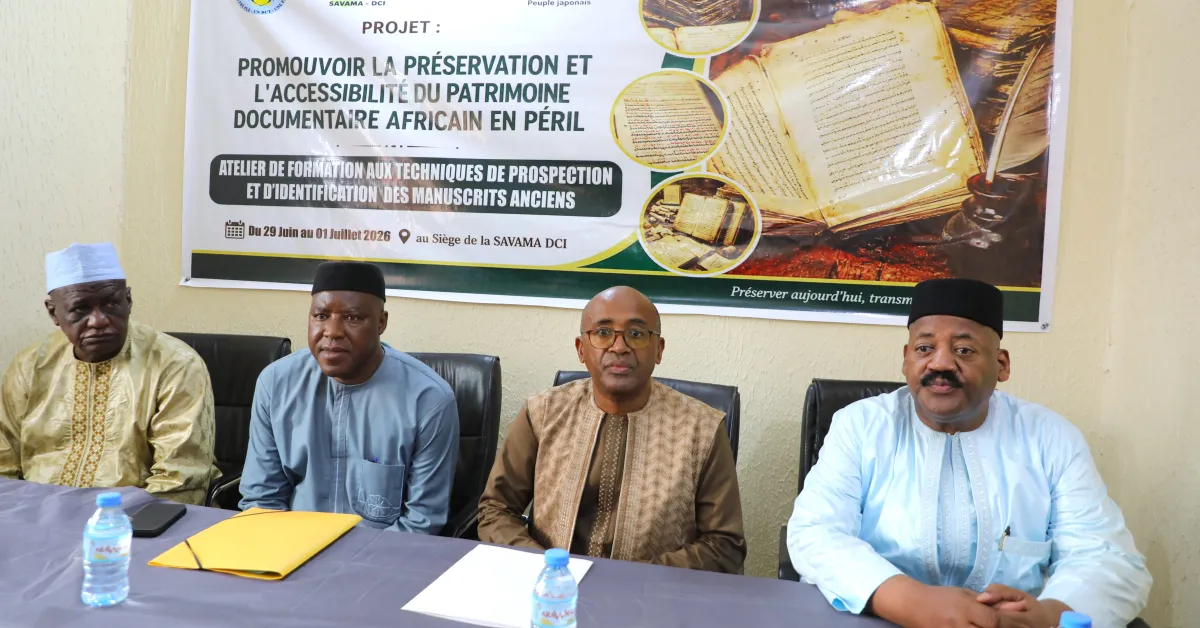
In a landmark initiative to safeguard Africa’s intellectual heritage, a comprehensive capacity-building program for ancient manuscript preservation has been launched in Mali. The project, titled ‘Preserving and Enhancing Access to Endangered Documentary Heritage in Africa’, brings together UNESCO and SAVAMA-DCI, a Malian NGO dedicated to manuscript conservation.
The first phase targets over 70 participants, including manuscript custodians from local families, students, and researchers. These workshops aim to equip them with essential skills for documenting, cataloging, and securing Mali’s invaluable ancient manuscripts—documents that hold centuries of historical, scientific, and philosophical knowledge.
Mali’s ancient manuscripts, particularly those from Timbuktu and other Sahelian centers, represent a treasure trove of African scholarship. Yet, decades of conflict, climate change, and neglect have placed these texts at risk. This UNESCO-backed program addresses these challenges by providing hands-on training in manuscript identification, conservation techniques, and systematic documentation.
Structured as a two-part series, the training covers:
The first workshop, held June 29–July 1, focuses on field identification and authentication of ancient manuscripts. Participants learn to locate, assess, and verify documents within private collections, libraries, and family archives.
The second session, running July 2–4, emphasizes inventory management and standardized cataloging. Attendees will master data collection, metadata creation, and the use of digital tools to create structured inventories of these cultural artifacts.
The launch ceremony was presided over by a senior official from Mali’s Ministry of Crafts, Culture, Hotel Industry, and Tourism, alongside the acting head of UNESCO’s Mali office and SAVAMA-DCI’s Executive President. In his address, the Ministry representative, Mr. Mamadou Cissé, assured ongoing government support: ‘We are committed to ensuring the success of this project, with special attention to its outcomes and long-term impact.’
Mr. Ali-Mohamed Sinane, UNESCO Mali’s Chief, underscored the program’s significance: ‘These manuscripts are not just documents—they are the living memory of our people. Preserving them is an act of safeguarding our shared identity and history for future generations.’
Upon completion, participants will be able to conduct field missions, accurately identify manuscripts, and contribute to national inventory systems. Future phases will extend training to students and researchers on critical editing and translation of these texts, further strengthening Mali’s capacity to protect and promote its documentary heritage.
This initiative, supported by the Government of Japan, reflects a broader commitment to preserving Africa’s documentary legacy. Beyond physical conservation, the project seeks to elevate public recognition of these manuscripts as vital cultural assets with global historical importance.
Related Posts

N’Djamena rejects un claims of civilian deaths in anti-Boko Haram operations
The Chadian government has unequivocally rejected allegations from the United Nations concerning civilian fatalities during its aerial campaigns against Boko…
Cédric Itten évoque l’équipe de Suisse et son transfert au Werder Brême
Accueil Sport Football – Coupe du Monde 2026 Cédric Itten évoque l’équipe de Suisse et son transfert au Werder Brême…
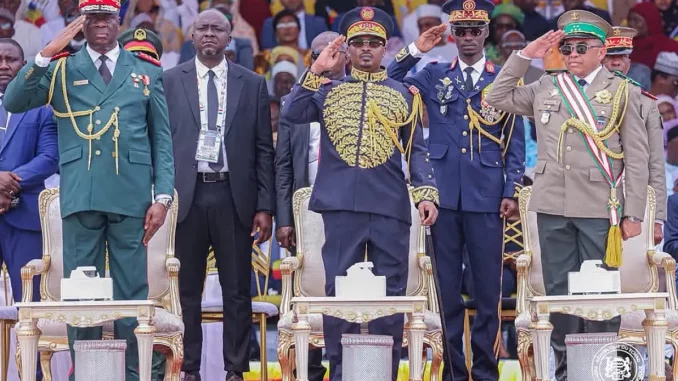
Tchad celebrates 66 years of independence with military parade in N’Djamena
The Republic of Chad marked its 66th Independence Day with a grand military parade at N’Djaména’s Place de la Nation…