
The recent and tragic collapse at the Zamboï mine in the Central African Republic has cast a stark light on the perilous realities of artisanal gold mining across the broader Central African region. While the incident occurred within CAR’s borders, its implications resonate deeply, particularly exposing the underlying systemic issues and prevalent malpractices within Cameroon’s own gold sector.
This devastating event serves as a grim reminder of the dangers faced by countless individuals engaged in informal gold extraction, often operating under hazardous conditions with minimal oversight. It compels a closer examination of how similar unregulated activities contribute to instability and environmental degradation, mirroring concerns that have long plagued Cameroon’s mineral-rich landscapes.
Unveiling Cameroon’s unregulated gold rush
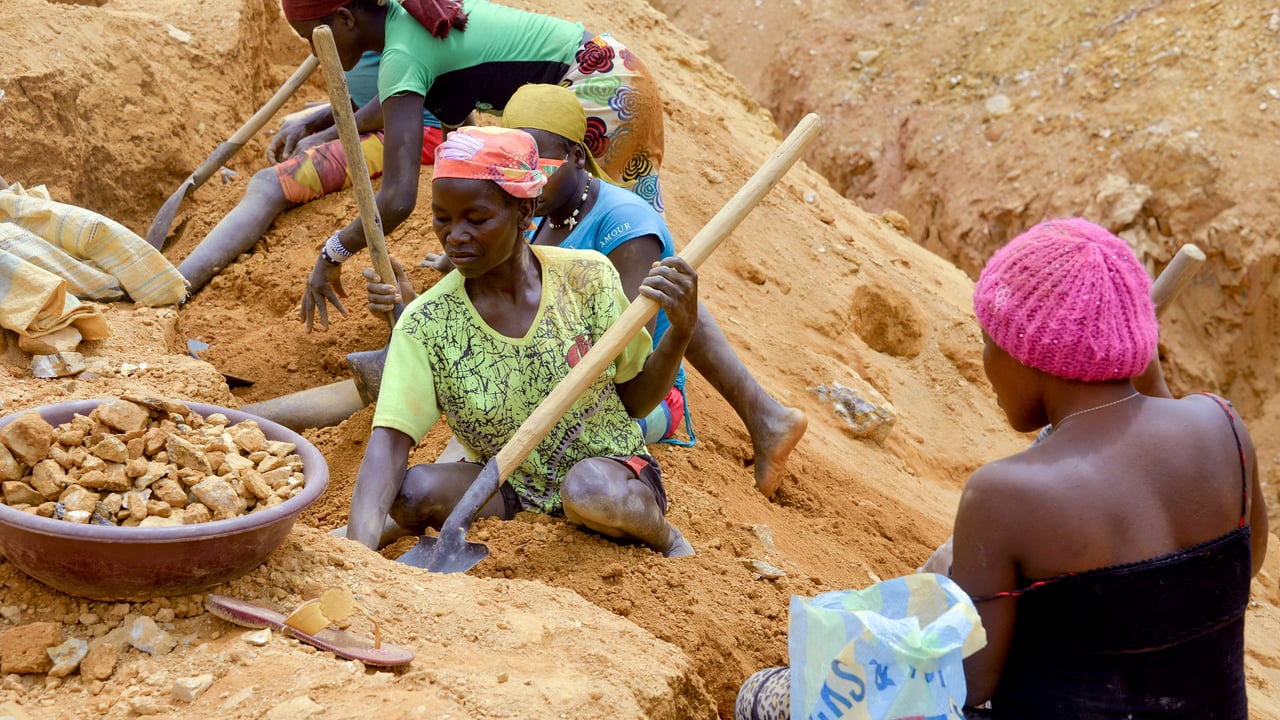
Cameroon, a nation with significant gold deposits, has witnessed a surge in artisanal gold mining, particularly in regions such as Bétaré-Oya, where gold panners are frequently observed engaging in labor-intensive excavation. This activity, while providing livelihoods for many, often operates outside formal regulatory frameworks, leading to a host of profound challenges for Cameroon’s gold mining sector.
The “derives” or malpractices in Cameroon’s gold sector are multifaceted. They include alarmingly inadequate safety standards, which put miners at constant risk of cave-ins, landslides, and exposure to dangerous chemicals like mercury. Environmental degradation is another severe consequence, with widespread deforestation, soil erosion, and water pollution impacting local ecosystems and communities across the country.
Beyond safety and environmental concerns, the unregulated nature of these operations also fuels illicit trade and contributes to economic leakages. A significant portion of the extracted gold bypasses official channels, hindering government revenue and perpetuating a shadow economy that can be susceptible to exploitation and conflict financing. Workers often face precarious employment conditions, with little to no social protection or fair compensation.
The Zamboï tragedy, though geographically distinct, underscores a shared vulnerability within the region’s gold mining landscape. It highlights the urgent necessity for robust regulatory frameworks, enhanced enforcement, and sustainable practices to safeguard human lives, protect the environment, and ensure that the wealth generated from gold truly benefits the nations and their citizens. Addressing these deep-seated issues in Cameroon’s gold mining sector is crucial to prevent future catastrophes and foster responsible resource management.