Massive enlistment drive targets young locals in Ndélé amid rising tensions
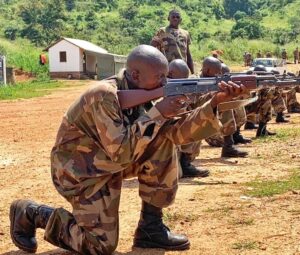
In a controversial move that has sparked widespread debate, the Russian-backed Wagner Group has launched an aggressive recruitment campaign in Ndélé, aiming to enlist over 1,000 local youths. The initiative, unfolding in the heart of the Central African Republic, underscores the growing influence of foreign mercenary forces in the region’s security landscape.
The recruitment drive, conducted under the guise of offering employment and military training, has drawn sharp criticism from civil society groups and international observers. Critics argue that the move exploits economic vulnerabilities to bolster the mercenaries’ operational capacity in a country still grappling with instability.
Local reactions and concerns
Residents in Ndélé report a surge in foot traffic near recruitment centers, where young men—many of them unemployed or facing financial hardship—are being approached with promises of steady income and structured training. However, skepticism remains high, with many questioning the long-term motives behind the campaign.
“They come offering jobs, but no one knows what will happen after the training,” said a community leader who requested anonymity. “We’ve seen foreign forces come and go, but the instability never ends.”
Security implications
The enlistment effort coincides with a period of heightened security challenges in the Central African Republic, where armed groups continue to vie for control over key territories. The presence of Wagner Group mercenaries, already a contentious topic, has intensified debates over sovereignty and the role of external actors in the country’s internal affairs.
Military analysts suggest that the recruitment could be part of a broader strategy to expand the mercenaries’ footprint, particularly in areas where government forces struggle to maintain authority. The move has raised concerns about the potential for further escalation in violence, as rival factions may view the enlistment as a provocation.
What’s next for Ndélé and the Central African Republic?
As the recruitment campaign gains momentum, questions linger about the long-term impact on local communities and the broader security dynamics in the region. Will the enlistment of 1,000 youth lead to a more stable environment, or will it deepen divisions and fuel further conflict?
The coming weeks will be critical in determining whether this controversial initiative brings tangible benefits to Ndélé or merely serves as another chapter in the Central African Republic’s ongoing struggle for peace and stability.