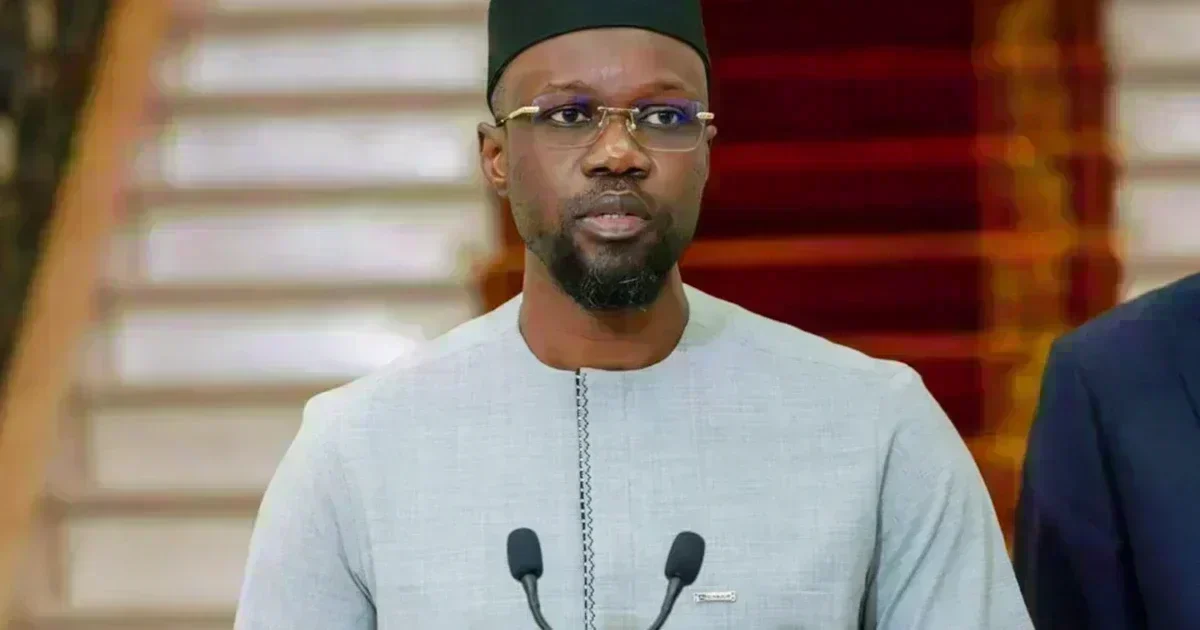
The reappearance of Macky Sall in Senegal, following several months abroad since his presidential tenure concluded in April 2024, has swiftly reignited the nation’s political fault lines. Yoro Dia, a prominent figure within the Alliance for the Republic (APR) and former presidential communications advisor, seized this moment to deliver a particularly aggressive interpretation of the current national climate. He posited that Sall’s comeback signaled the conclusion of an « interlude » personified by the incumbent Prime Minister Ousmane Sonko, who leads the Pastef party.
Macky Sall’s highly anticipated political re-emergence
Since handing over power to Bassirou Diomaye Faye, Macky Sall had maintained a low profile within the national media, primarily residing outside the country. His public engagements were confined to a few international commitments, notably through his responsibilities with the Paris Pact for People and the Planet. Therefore, his arrival back in Dakar is viewed by his adherents as a critical juncture, potentially galvanizing a structured opposition against the current Faye-Sonko executive leadership.
Yoro Dia, who previously served as government spokesperson during the Sall presidency, deliberately employed polarizing rhetoric. By asserting that Senegal « is rediscovering its soul and its inherent values », the former presidential communicator positioned this return as an almost restorationist event. His sharp critique of Prime Minister Ousmane Sonko, whom he characterized as embodying a « negation of Senegal », underscores the profound resentment felt by a faction of the political establishment unseated since March 2024.
The challenging coexistence between Pastef and the previous administration
These pronouncements surface amid an persistently tense political atmosphere in Senegal. The government led by Ousmane Sonko has embarked on several sensitive initiatives, including accountability probes targeting figures from the former administration and the release of a Court of Accounts report, which has been challenged by officials of the preceding regime. Already, multiple former ministers and general directors have faced judicial questioning or have been issued travel bans.
Within this environment, every public declaration from an APR executive carries considerable weight. The specific language chosen by Yoro Dia transcends mere partisan discourse, delving into a fundamental question of historical legitimacy: who defines the national narrative? The incumbent administration champions a sovereignist shift, advocating for the reappropriation of natural resources and an institutional overhaul. Conversely, Macky Sall‘s political successors champion the legacy of twelve years of governance distinguished by monumental infrastructure projects, including the Regional Express Train and the nascent urban center of Diamniadio.
The rivalry between Sall and Sonko extends far beyond the domestic agenda. The former head of state retains a considerable regional standing, particularly within the Economic Community of West African States (CEDEAO), where he previously championed a diplomatic approach with the military regimes across the Sahel. Ousmane Sonko, in contrast, promotes a more resolute panafricanist posture, characterized by a commitment to rebalance relationships with long-standing partners, primarily France, and to assert strengthened monetary and security sovereignty.
This fundamental divergence in national visions is now plainly articulated through public statements. Nevertheless, Senegal‘s political arena, historically defined by its robust culture of adversarial debate, typically assimilates these verbal accelerations without escalating into overt conflict. The snap legislative elections in November 2024, decisively won by Pastef, solidified a clear institutional power balance, which the opposition’s current strategies are, for the moment, finding difficult to effectively disrupt.
For international investors and diplomatic allies, Macky Sall‘s physical presence back in the country undeniably represents a significant development to monitor. It holds the potential to lend greater visibility to an opposition that has been somewhat fragmented, concurrently reactivating legal dossiers that could heighten political polarization. Crucially, the Sonko government’s capacity to advance its economic agenda, particularly within a tight fiscal environment and under the watchful eye of the International Monetary Fund, will hinge significantly on its adept political handling of this evolving equilibrium. Yoro Dia’s remarks were reportedly made during gatherings organized to welcome the former president home.