The much-anticipated return of Macky Sall to Sénégal, following several months abroad since the conclusion of his presidential term in April 2024, has immediately reignited the profound political divisions within the nation. Yoro Dia, former presidential communication advisor and a prominent figure within the Alliance pour la République (APR), seized this moment to offer a remarkably confrontational assessment of the current national climate. In his view, Sall’s comeback signifies the end of a mere “interlude” personified by the incumbent Prime Minister Ousmane Sonko, leader of the Pastef party.
a highly political return for macky sall
Since the transfer of power to President Bassirou Diomaye Faye, Macky Sall had maintained a notably low profile on the national media scene, primarily residing outside the country. His public engagements were largely confined to international appearances, particularly in his role with the Paris Pact for People and the Planet. Consequently, his arrival back in Dakar is viewed by his supporters as a pivotal juncture, potentially capable of galvanizing a cohesive opposition against the current executive pairing of Faye and Sonko.
Yoro Dia, who previously served as government spokesperson minister during Sall’s presidency, deliberately employed divisive language. By declaring that Sénégal is now “recovering its soul and its values,” the former presidential communicator frames this return in an almost restorationist light. His sharp criticism leveled against Prime Minister Ousmane Sonko, whom he characterized as embodying a “negation of Sénégal,” powerfully conveys the deep-seated resentment felt by a segment of the political elite who lost power in March 2024.
the impossible cohabitation between pastef and the former regime
These pronouncements emerge amidst an already fraught Senegalese political atmosphere. The administration led by Ousmane Sonko has initiated several sensitive undertakings, including accountability measures targeting officials from the previous government and the release of a Court of Auditors report, which has been vehemently disputed by leaders of the former regime. Consequently, numerous ex-ministers and former director-generals have faced judicial questioning or been subjected to travel bans.
Within this environment, every public statement made by an APR executive carries significant weight. The rhetoric employed by Yoro Dia transcends mere partisan discourse, raising a fundamental question of historical legitimacy: who controls the national narrative? The current government champions a sovereignist break, advocating for the reappropriation of natural resources and institutional restructuring. Conversely, Macky Sall’s political successors highlight the achievements of his twelve-year tenure, emphasizing major infrastructure projects like the Regional Express Train and the new urban hub of Diamniadio.
a narrative battle extending beyond national borders
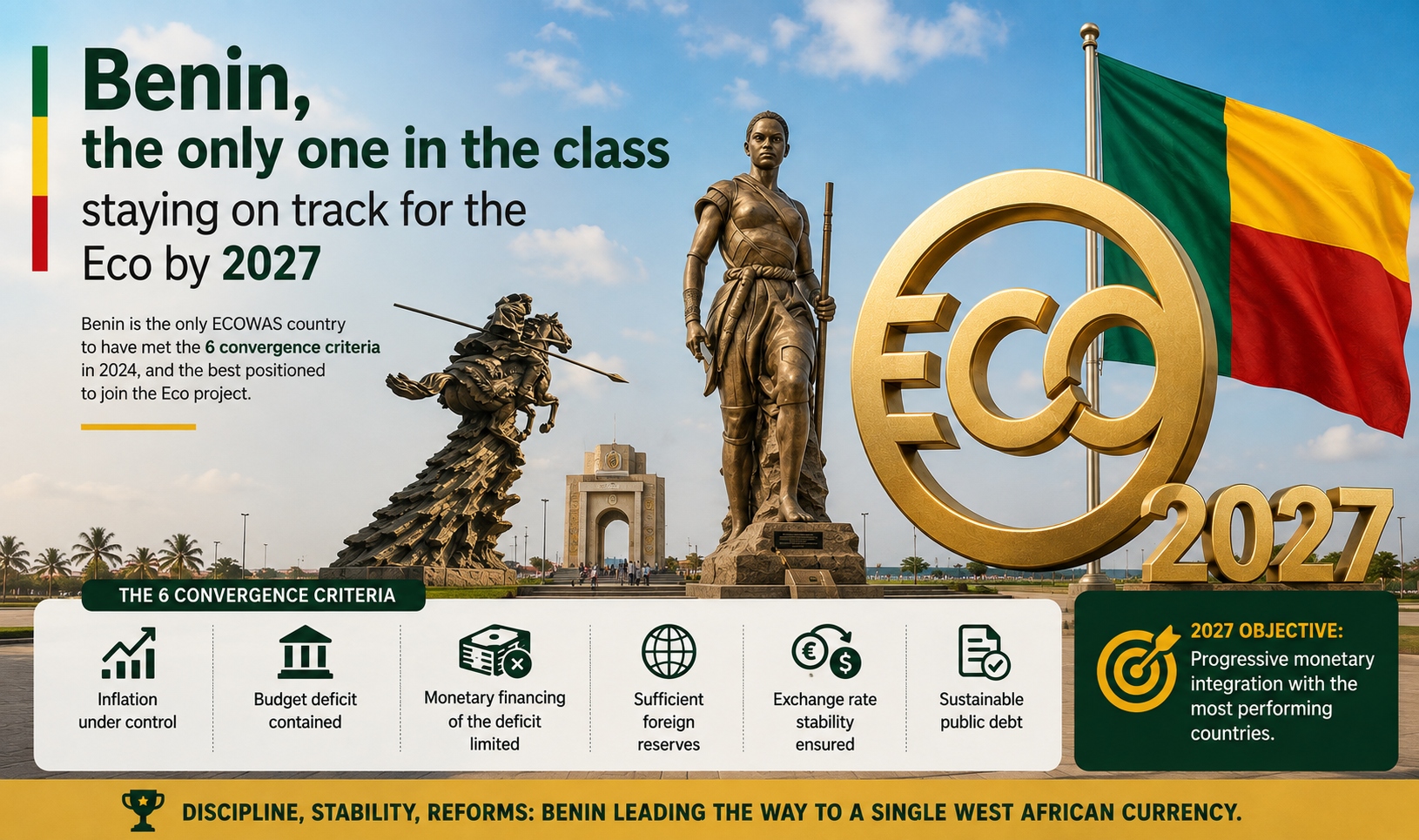
The unfolding dynamic between Sall and Sonko extends far beyond domestic concerns. The former head of state maintains a considerable regional standing, particularly within the Economic Community of West African States (ECOWAS), where he championed a diplomatic approach with the military regimes across the Sahel. Ousmane Sonko, however, advocates for a more assertive pan-Africanist stance, characterized by a commitment to rebalancing relationships with traditional partners, notably France, and asserting stronger monetary and security sovereignty.
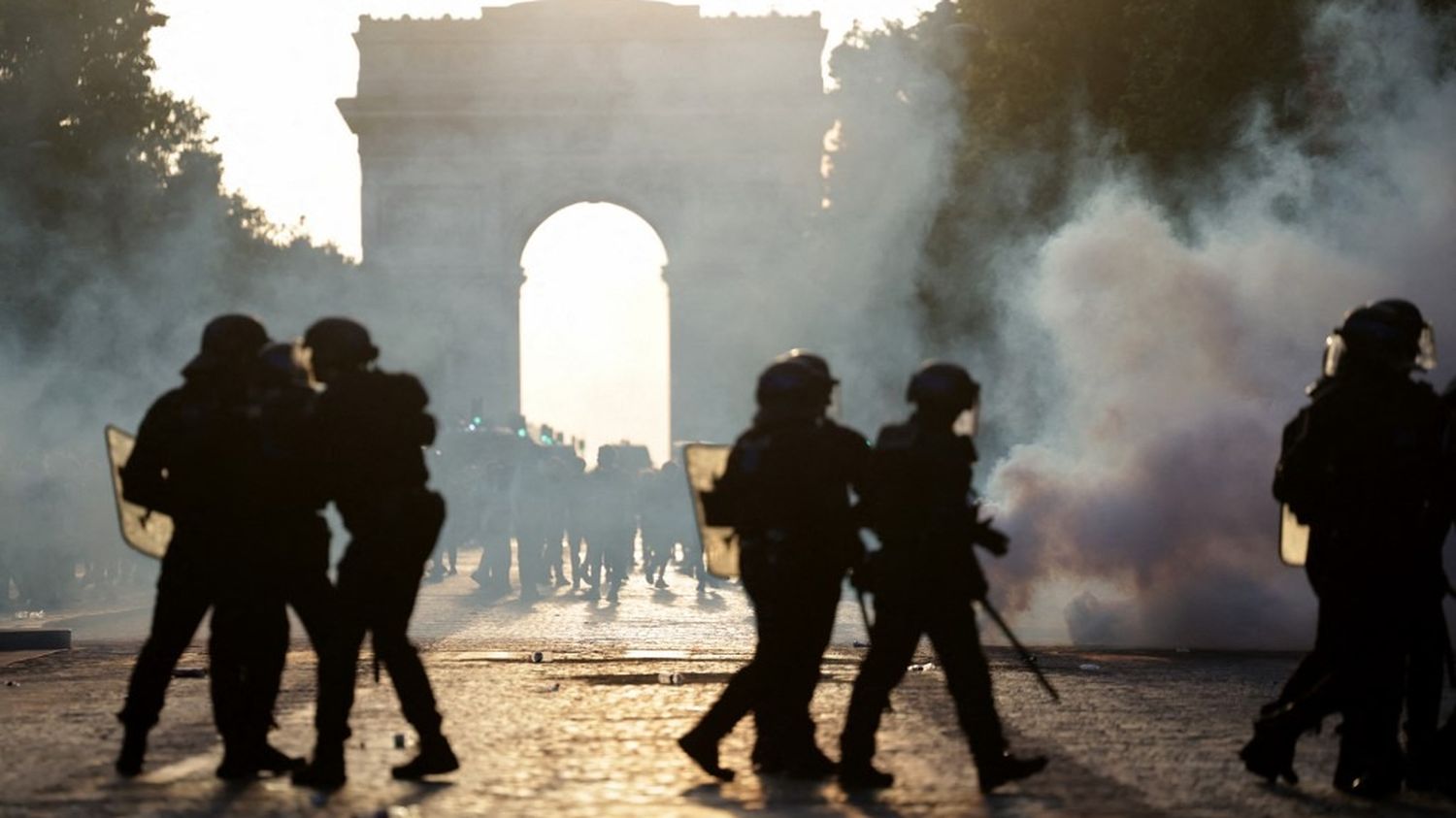
This fundamental divergence in visions is now acutely manifest in their public pronouncements. Nevertheless, Sénégal’s political arena, historically defined by a robust culture of contradictory debate, typically absorbs such rhetorical escalations without descending into open confrontation. The snap legislative elections of November 2024, which Pastef decisively won, established a clear institutional power dynamic, one that opposition maneuvers are currently struggling to effectively challenge.
For international investors and diplomatic partners, Macky Sall’s physical presence back in the country undeniably constitutes a development to closely monitor. His return could potentially grant renewed visibility to a previously fragmented opposition, simultaneously reactivating legal cases that might further escalate political polarization. In practical terms, the Sonko government’s ability to advance its economic agenda, within a tight budgetary framework and under the scrutiny of the International Monetary Fund, will also hinge on its skillful political management of this evolving balance.