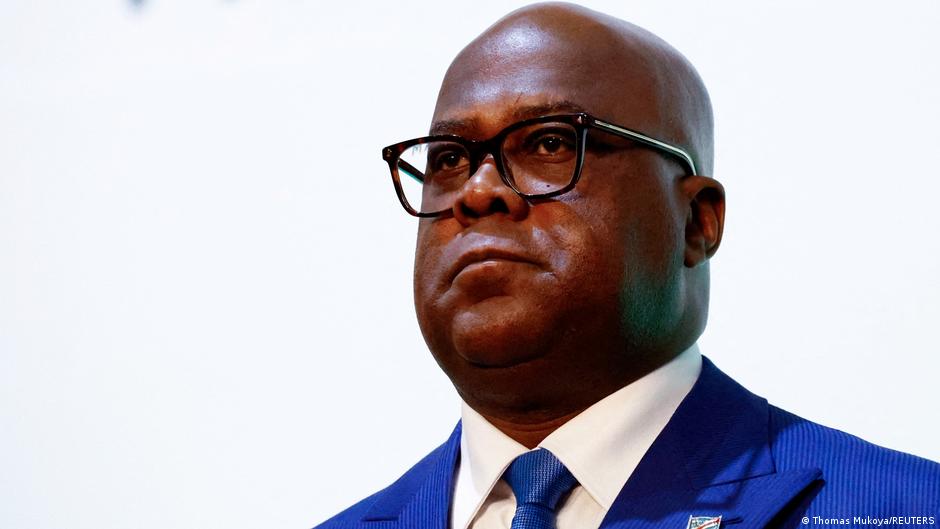
Félix Tshisekedi, President of the Democratic Republic of the Congo (DRC), has endorsed plans for a comprehensive national dialogue aimed at fostering unity and addressing pressing challenges. Announced on July 17, 2026, following a meeting with religious leaders, the initiative seeks to tackle some of the country’s most urgent issues.
The proposed dialogue will focus on five key areas:
- the escalating insecurity in eastern DRC;
- political tensions across the country;
- governance challenges;
- economic and social hardships;
- critical reforms needed to strengthen peace and democratic processes.
While the initiative marks a significant shift in the government’s approach, several key details remain unresolved, including:
- the exact date of the dialogue;
- the list of participants;
- the final agenda;
- the logistical framework, which will be outlined in a presidential decree.
what are the goals of this dialogue?
The upcoming discussions aim to:
- restore national cohesion amid deep divisions;
- address the persistent security crisis in eastern DRC;
- create a more stable and inclusive political environment;
- bring together diverse stakeholders in a constitutional framework.
This move follows months of pressure from religious groups, opposition factions, and civil society organizations, all of which have been advocating for a structured national conversation. The coalition of opposition parties has welcomed the announcement but insists the dialogue must be formally convened before August 15, 2026. Failure to meet this deadline, they warn, could reignite mass protests in Kinshasa.
During a live discussion on the subject, experts shared their perspectives on the potential impact of this initiative:
- Bob Kabamba, political science professor at the University of Liège (Belgium);
- Martin Ziguélé, former Prime Minister of the Central African Republic and leader of the Central African People’s Liberation Movement (MLPC);
- Trésor Kibangula, head of political research at Ebuteli, a Kinshasa- and Goma-based think tank focused on governance, politics, and violence in the DRC.
To listen to the full debate, click on the audio player above.