What the October 1st shutdown means for everyday Cameroonians
The first of October carries deep historical weight in Cameroon. It marks the day in 1961 when the former French-administered territory and Southern Cameroons, then under British trusteeship, came together to form the Federal Republic of Cameroon. Yet this unification remains a point of contention for some anglophone separatists. On October 1, 2017, ambazonian activists went as far as to declare the independence of the North-West and South-West regions.
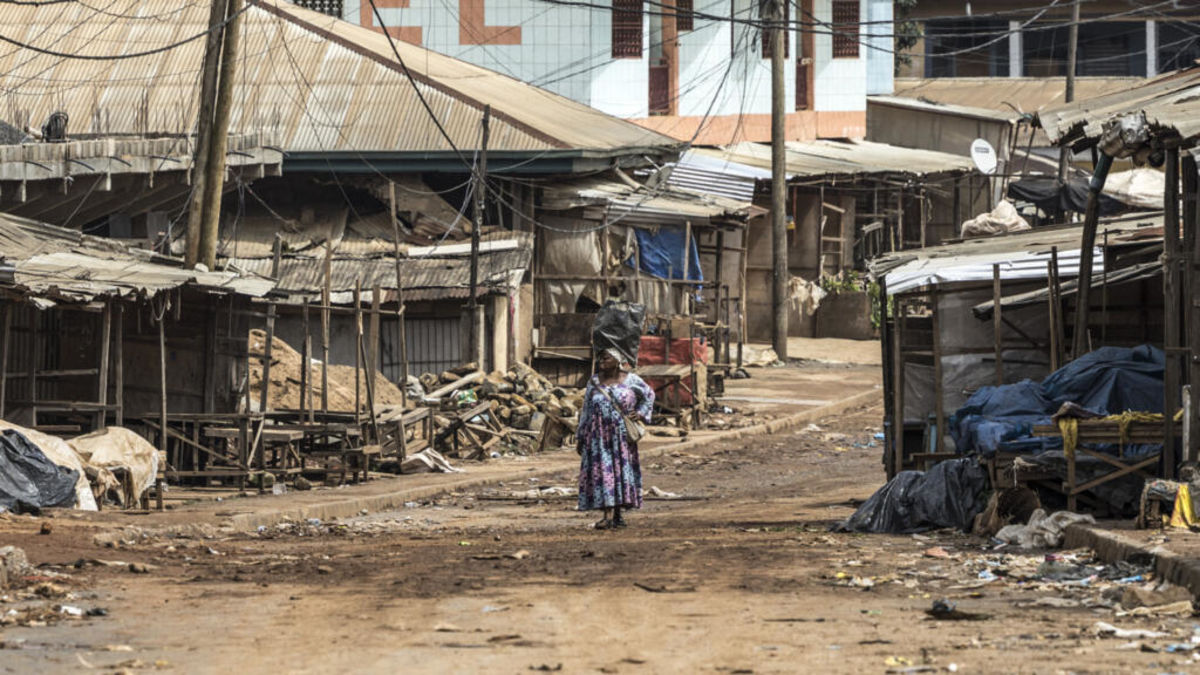
This year, as separatists called for a ‘ghost town’ operation across several towns in the North-West and South-West (NOSO), Cameroonian authorities, fearing unrest, deployed a heavy security grid. By midday, no major incidents had been reported. However, daily life slowed to a crawl in the main cities, with residents choosing to stay indoors on this symbolic date.
Economic ripple effects: businesses shuttered, streets empty
The standstill has tangible consequences. Markets that would normally be bustling on a Tuesday remained closed. Shops, banks, and transport services halted operations, leaving many daily wage earners without income for the day. In Bamenda, the North-West regional capital, a resident described venturing out only for a morning run on nearly deserted streets before returning home for the rest of the day.
At key intersections in Bamenda, military tanks and numerous patrols were visible – a show of force that some locals described as ‘deterrent’ in nature. The atmosphere was much the same in Buea, the main city in the South-West, and in neighbouring towns, where people also stayed home.
Human toll and displacement: a decade of suffering
According to multiple NGOs, the anglophone crisis has left more than 6,000 dead and displaced hundreds of thousands over the past ten years. The economic impact is equally severe: businesses have shuttered, agricultural output has fallen, and thousands of children have seen their education disrupted.
In a reflection published on October 1, Khongor Félix Agbor, a lawyer and former detainee linked to the anglophone crisis, remembered ‘the families who have buried loved ones, the displaced, the children whose schooling has been interrupted, all those living in fear, and the detainees of the anglophone crisis.’
Social media debates: ten years of crisis under the spotlight
On platforms like TikTok, several panels – some displaying the blue and white colours claimed by separatists – hosted debates on the decade-long crisis affecting the two anglophone regions. These online discussions reflect a growing desire among Cameroonians, both at home and abroad, to assess the human and economic cost of the conflict.
As the day passed quietly but tensely, the deeper consequences of the crisis remain etched in the lives of millions. For many in the North-West and South-West, October 1st is not just a date on the calendar – it is a reminder of lost livelihoods, interrupted education, and an uncertain future.