Burkina Faso declares UN envoy persona non grata amid child rights report
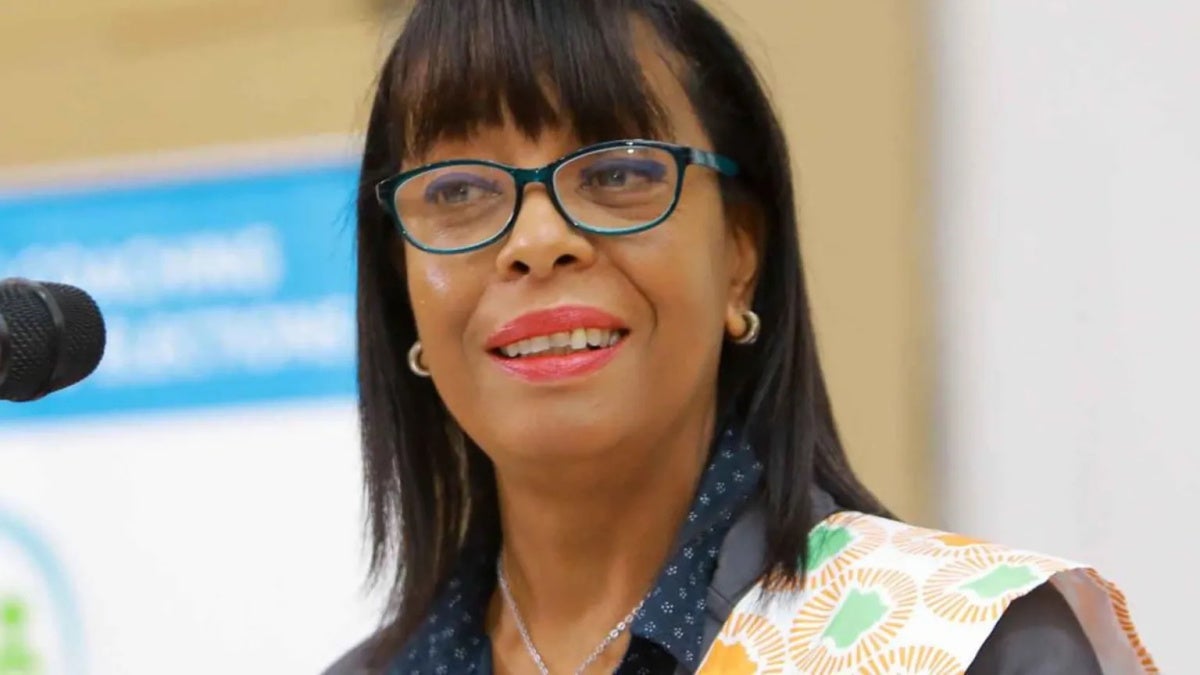
The military-led government in Burkina Faso has declared the United Nations’ top representative in the country, Carol Flore-Smereczniak, persona non grata following the release of a critical UN report on child rights violations. This decision marks a sharp escalation in tensions between the junta and international oversight bodies.
This is not the first instance of such action. In 2022, the junta had already expelled another high-ranking UN official, Barbara Manzi, after she was deemed persona non grata. The repeated expulsions signal a growing disregard for independent monitoring and accountability mechanisms.
The controversial UN report on child rights violations
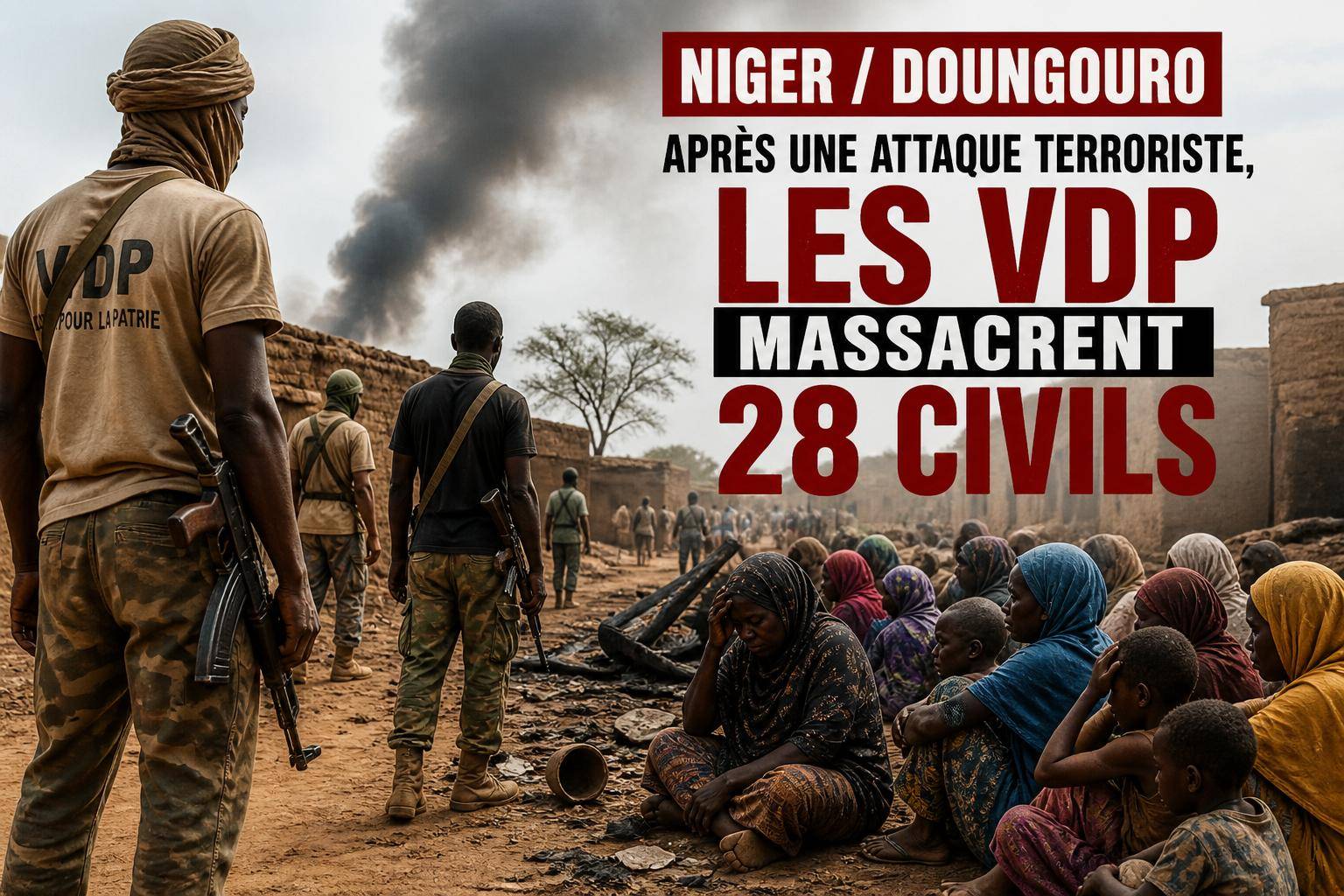
The junta’s move comes after the publication of a damning April report by the UN, which documents severe human rights abuses against children in Burkina Faso. The report accuses multiple parties—including state security forces, government-backed militias known as the Volontaires pour la Défense de la Patrie (VDP), and Islamist militant groups—of committing grave violations.
Between July 2022 and June 2024, the report documented 2,483 grave violations affecting 2,255 children. These include killings, abductions, and the recruitment or use of children by armed groups and security forces. Islamist armed groups were responsible for 65% of the abuses, while the remaining violations were attributed to national security forces and the VDP, civilian auxiliaries supporting the military.
The report also highlights a disturbing rise in attacks on schools, emphasizing the alarming practice of detaining children based on alleged associations with armed groups. Since 2016, Human Rights Watch has extensively documented such abuses, including targeted attacks on students, teachers, and educational institutions by militant factions.
Junta rejects UN findings and tightens control
The military government has strongly contested the UN report’s conclusions, arguing that it unfairly implicates Burkina Faso‘s authorities and allied militias. Officials have criticized the UN for using terms like ‘non-state armed groups’ to describe militants and have objected to the characterization of the VDP as ‘militias.’
In March, the Foreign Affairs Minister condemned the UN’s language as ‘inappropriate’, stating that it undermined efforts to combat terrorism. By July, the government went further, calling for a ‘realignment’ of UN interventions in the country to align with the junta’s ‘vision.’
Since seizing power in a 2022 coup, the military regime has intensified repression against media outlets, opposition figures, and dissenting voices. Rather than addressing the documented abuses, the junta has chosen confrontation, raising concerns about its commitment to protecting vulnerable populations, particularly children caught in the conflict.
Experts argue that instead of expelling UN officials, the authorities should collaborate with international bodies to develop and implement action plans aimed at ending these violations and safeguarding children’s rights in Burkina Faso.