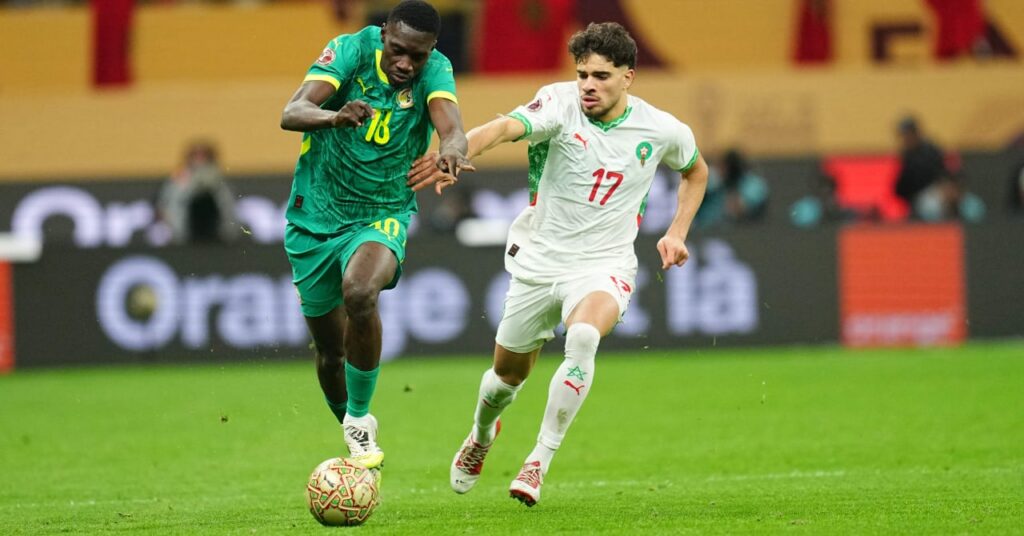
The CAN 2025 judicial saga takes a fresh turn as the Court of Arbitration for Sport (TAS) sets a critical deadline for Morocco. The sole arbitrator has ruled that the Royal Moroccan Football Federation (FRMF) must submit its defense memorandum by 7 May 2026. This deadline intensifies the pressure on the FRMF and marks another pivotal moment in a continent-wide drama that has captivated African football fans for weeks.
Morocco given until May 2026 to defend CAN 2025 title at TAS
The chain of events traces back to the chaotic final held at the Prince Moulay Abdellah Stadium in Rabat on 18 January. The match ended goalless after 90 minutes, but a contentious penalty awarded to Morocco led to a 15-minute walkout by the Senegal players. Though they returned, Senegal clinched victory in extra time through a goal by Pape Gueye. However, the CAF Appeals Jury overturned this result on 17 March, declaring Senegal forfeited and awarding Morocco a 3-0 victory on paper.
It is this ruling that the Senegalese Football Federation (FSF) is challenging before the TAS, having lodged its appeal on 25 March. The FSF’s primary request: to reclaim the continental championship title.
The proceedings are now advancing through standard timelines. Senegal had sought an expedited process, a move Morocco opposed, forcing both sides to adhere to regular deadlines. Following Morocco’s defense submission on 7 May 2026, both the CAF and Senegal will have the opportunity to respond. An oral hearing is highly likely at the TAS headquarters in Lausanne, where key witnesses may be called to testify. Both federations are expected to engage top-tier international sports law firms, turning this case into a high-stakes diplomatic and legal confrontation.
The timeline for a final verdict remains lengthy. A standard TAS case typically spans six to twelve months. As a result, the identity of Africa’s true 2025 champion may remain uncertain until late 2026. One thing is clear: the TAS ruling will be definitive, binding all parties with no room for further appeal. Should the court overturn the CAF’s decision, it would send shockwaves through the governance of African football.
You may also like
Senegal’s 2026 budget revision: how the deficit surge hits households, businesses and the Pastef majority
Benin’s €544,042 UNAIDS funding: the tangible consequences for patients, communities and the economy
Senegal-Azerbaijan pact in New York: what it means for jobs, trade and cooperation
What Luxembourg’s 9.8 billion FCFA port training pledge means for Benin’s workers and businesses
Burkina Faso: shrinking civil service payroll exacts a heavy toll on households and local economies