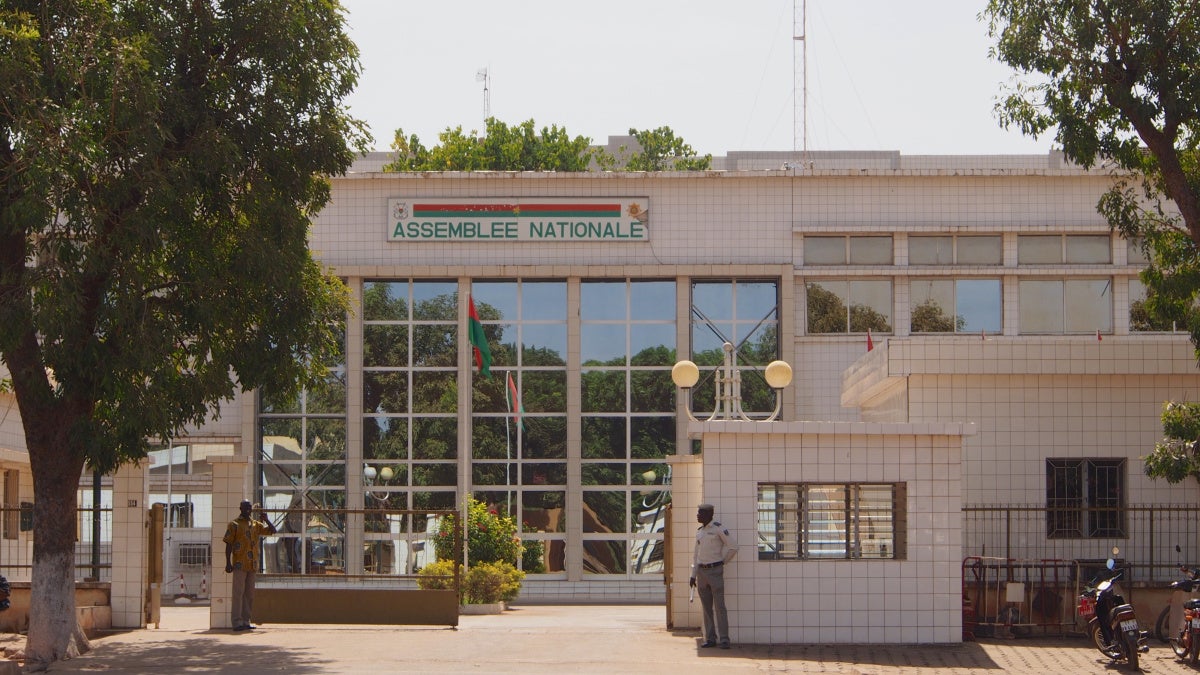
The legislative transition assembly of Burkina Faso took a controversial step on September 1st by passing a law that criminalizes consensual same-sex relationships, marking a significant setback for LGBT rights in the country.
Under the new legislation, individuals convicted of homosexuality face up to five years in prison along with substantial fines. This move not only infringes on the rights to non-discrimination and privacy of LGBT individuals but also aligns with a broader trend of shrinking civic and political freedoms in the nation.
The law was approved unanimously by the 71 members of the transitional assembly as part of the broader Code of Persons and Family. It specifically targets “behaviors deemed to promote homosexuality and related practices,” imposing severe penalties. The Justice and Human Rights Minister, Edasso Rodrigue Bayala, defended the law, stating it reflects “profound societal aspirations” and upholds “cultural values.”
Contradictions with international human rights obligations
This decision contradicts Burkina Faso’s obligations under the African Charter on Human and Peoples’ Rights and the International Covenant on Civil and Political Rights. Recent legal developments in neighboring African nations like Botswana, Mauritius, and Namibia have shown a progressive shift, with courts striking down laws that criminalize consensual same-sex relationships as unconstitutional and discriminatory.
broader implications for LGBT communities
Beyond violating fundamental rights, such laws exacerbate violence and abuse against LGBT individuals. In 2014, the African Commission on Human and Peoples’ Rights urged African Union member states to end violence and abuses targeting individuals based on their sexual orientation or gender identity. Despite this, Burkina Faso’s new law signals a troubling departure from these recommendations.
To uphold human rights and constitutional principles, President Ibrahim Traoré should refrain from signing the Code of Persons and Family. Instead, he should send it back to the assembly for revision, ensuring it aligns with the rights to non-discrimination and privacy for all individuals, regardless of sexual orientation or gender identity.