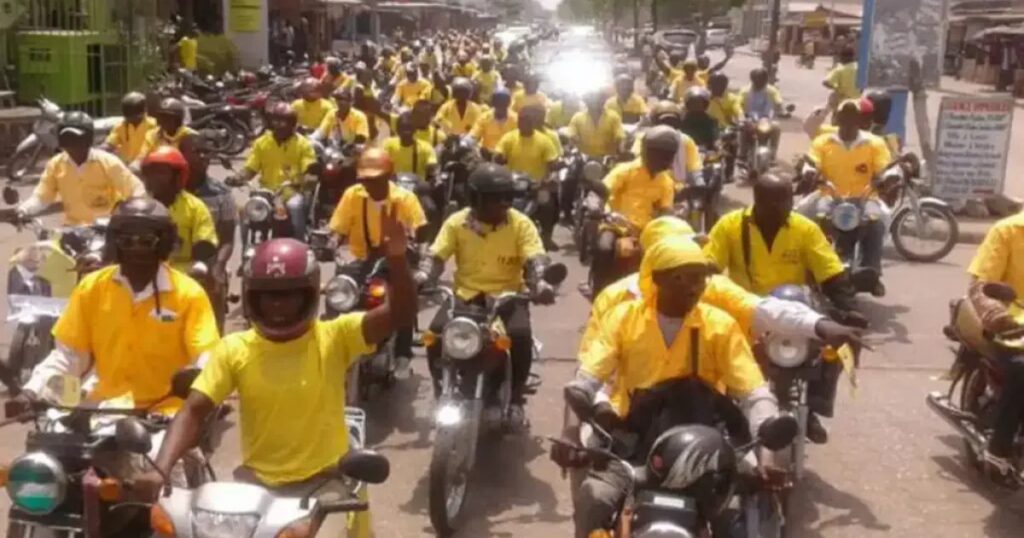
Benin’s roads have become the stage for an intense police operation against traffic offences, and the fallout is already reshaping public conversation. Since Sunday, September 20, 2026, law enforcement units have fanned out across the country, stopping motorists and motorcyclists who break the Highway Code. In just two days, more than one hundred two-wheeler riders and about ten car drivers were arrested and fined at key checkpoints. The scale of the operation has triggered a wave of reactions, from frustration among daily commuters to cautious support from road safety advocates, and it raises a pressing question: what comes next for Benin’s drivers?
The first days: a wave of arrests and fines
The crackdown gained noticeable momentum on Tuesday, September 22, 2026, in Benin’s economic capital. In the Fidjrossè area alone, over forty motorcyclists were stopped within a single hour, while many car drivers were caught on Boulevard de la Marina. The enforcement is not limited to warnings; offenders face a strict fee schedule that has quickly become a talking point.
- Using a phone while driving or riding: 20,000 CFA francs
- Overloading: 10,000 CFA francs
- Driving the wrong way: 6,000 CFA francs
- Not wearing a helmet: 5,000 CFA francs
Patrols are also keeping a close eye on traffic lights. Running a red light now leads to regulatory penalties, adding another layer of scrutiny for road users.
What this means for drivers across Benin
The operation is not confined to Cotonou. Police detachments have been actively deployed at intersections and main roads in Abomey-Calavi, Porto-Novo, Sèmè-Podji, Ouidah, Bohicon and Parakou. For many residents in these areas, the sudden increase in checkpoints has disrupted daily routines and sparked debates about fairness and effectiveness.
Some drivers complain that the fines are too steep for ordinary incomes, especially for motorcycle taxi riders who depend on their vehicles for a living. Others argue that the crackdown is long overdue and could finally instil a sense of discipline on roads where accidents have become all too common. The public debate is now shifting from the immediate shock of the operation to its long-term consequences.
Reactions on the ground: between frustration and relief
In Cotonou’s busy neighbourhoods, the mood is mixed. A motorcycle rider in Fidjrossè said the fines could wipe out a day’s earnings, while a car owner on Boulevard de la Marina welcomed the stricter enforcement, saying it might make people think twice before breaking the rules. Road safety campaigners have pointed out that enforcement alone will not change behaviour unless it is sustained and accompanied by better road infrastructure and public awareness.
The police command has stated that the goal is to eliminate risky behaviours, save lives, and restore lasting collective discipline on the national road network. But for that vision to take hold, observers say the operation must be consistent and not just a short-lived surge.
Looking ahead: will the crackdown stick?
As the operation enters its next phase, the key question is whether it will lead to durable change or fade away like previous campaigns. Drivers are watching closely, and many are adjusting their habits, at least for now. The coming weeks will show whether the fines and checkpoints translate into fewer accidents and a more orderly traffic culture.
For Benin’s authorities, the challenge is to maintain momentum while addressing public concerns about the cost of compliance. For road users, the message is clear: the rules are being enforced, and the consequences of ignoring them are immediate. What remains to be seen is whether this moment marks a true turning point for road safety in the country.
You may also like
Ivory Coast’s World Bank portfolio: what the $5.3 billion reveal means for jobs and the road ahead
Nanga armored vehicles: mounting fallout, public backlash and where Burkina Faso goes from here
After the eyeglasses verdict in Cameroon, a reckoning for the press and its critics
Mali’s official narrative stirs debate as Goïta’s promises collide with daily struggles
Nanga armoured vehicles: Burkina Faso’s ‘made in Burkina’ claim sparks national debate as questions mount