Mali’s political crisis: UN raises alarm over suspended elections and crackdowns
International observers are growing increasingly concerned about the deteriorating situation in Mali. The United Nations human rights chief, Volker Türk, has issued a stark warning about the suspension of elections and the escalation of repression targeting civil society in the country.
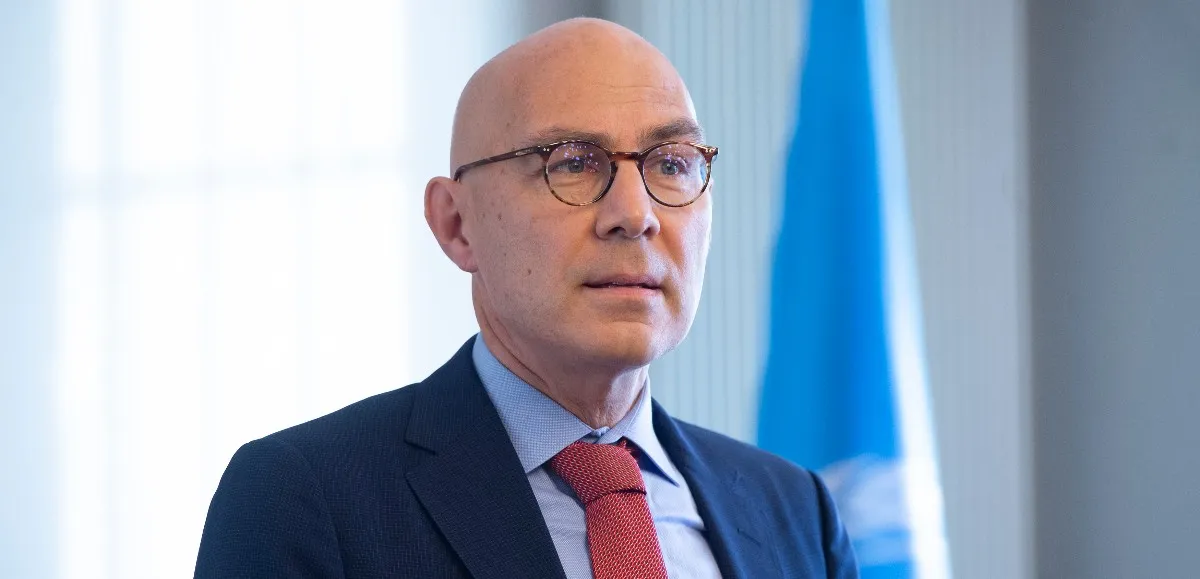
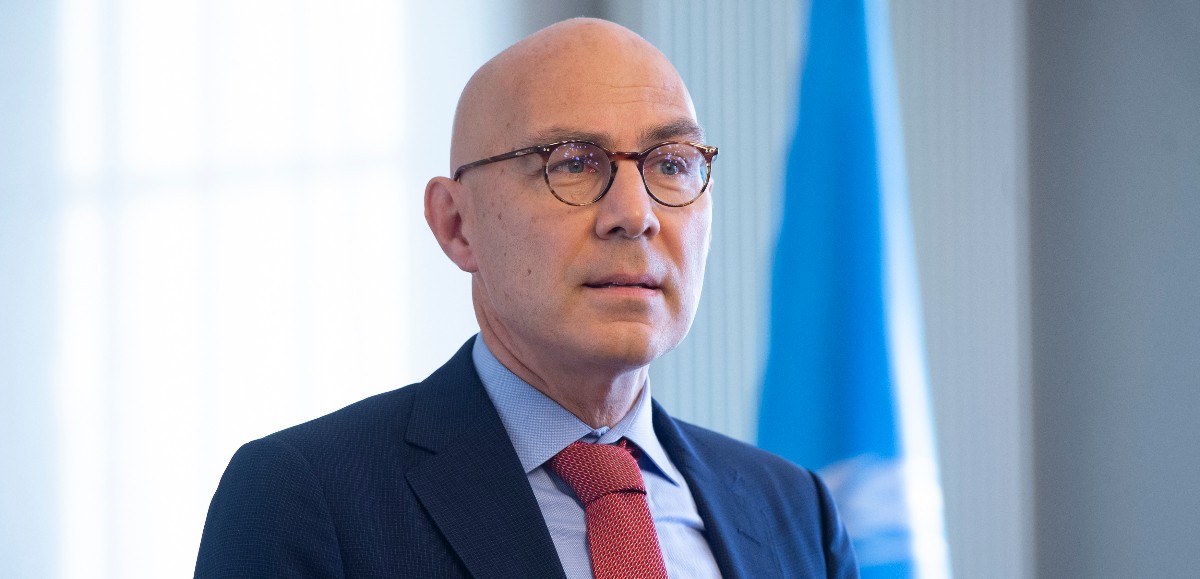
The United Nations is ringing alarm bells regarding Mali’s political trajectory. Through Volker Türk, its High Commissioner for Human Rights, the UN has condemned the indefinite postponement of national elections and what it describes as a “dramatic intensification of repression” against civil society groups.
“Recent legal changes pose a severe threat to human rights in Mali for the foreseeable future,” warned Türk, who urged the transitional authorities to “take immediate and concrete action to repeal these problematic laws.”
Unchecked presidential powers and political suppression
In July of this year, General Assimi Goïta—leader of the military junta that has governed Mali since 2021—signed into law a measure granting himself an effectively unlimited presidential mandate. This move effectively transforms him into President of the Republic while closing the door on democratic elections in the near future.
“These legal alterations violate the fundamental right of citizens to participate in public affairs, vote, and stand for election in periodic democratic processes,” Türk emphasized. “They must be repealed without delay.”
Earlier, in May, Mali’s transitional government dissolved all political parties, a decision now under review by the Constitutional Court.
Crackdown on dissent and calls for immediate action
The UN has also expressed grave concern over the arrest of prominent civil society figures and former officials, including anti-corruption activist Clément Dembélé and ex-Prime Minister Choguel Maïga. Türk condemned the “alarming surge in detentions” of Malians from diverse backgrounds, often under vague accusations of undermining state credibility simply for expressing dissenting views.
“This constitutes a blatant misuse of the law to silence opposition,” he stated, demanding the “immediate and unconditional release” of all arbitrarily detained individuals and an end to the weaponization of legal systems against free expression.