The establishment of the Senate follows a constitutional revision adopted in November 2025, designed to enhance political regulation within the country.
Comprising 25 members, the Senate includes non-elected officials who hold their positions by right—such as former presidents—or are appointed directly by the sitting Head of State.
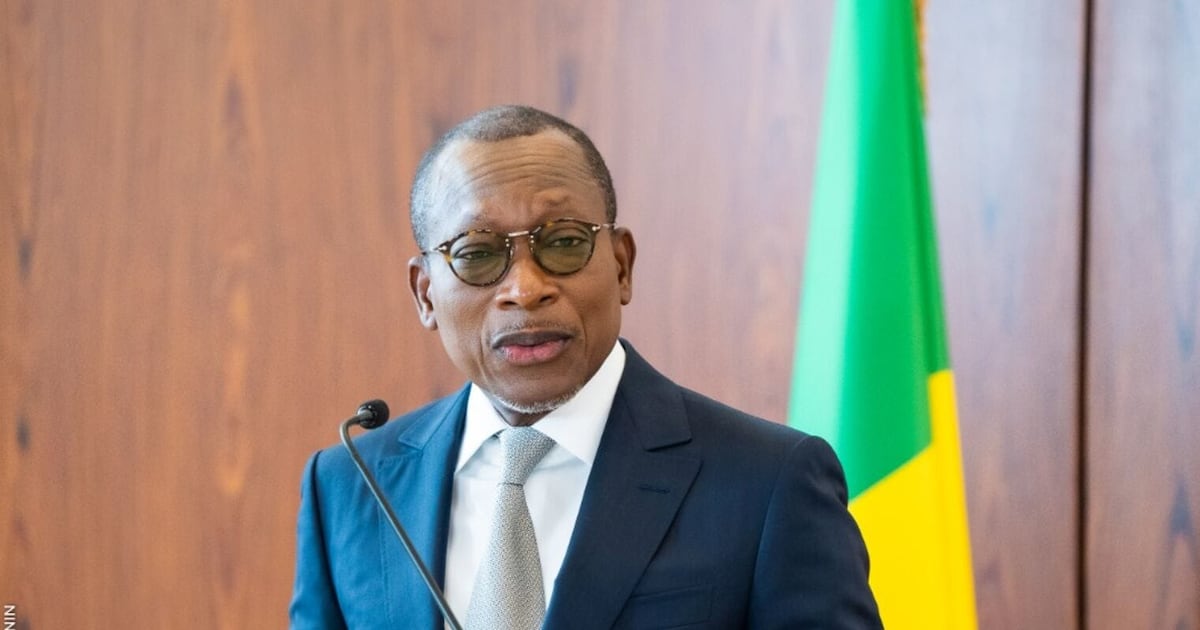
«I want to reassure you of my full commitment to ensuring this Senate functions seamlessly, serving as a unifying force for our nation,» declared Patrice Talon, 68, who served two consecutive terms from 2016 to 2026—the constitutional limit.
Speaking after his election in Porto-Novo, the capital, he emphasized his dedication to strengthening national unity, political stability, peace, and democracy.
Elected by fellow senators, Talon secured 24 votes in his favor, with a single blank ballot cast.
Joining him in the Senate are former Presidents Thomas Boni Yayi (2006–2016) and Nicéphore Soglo (1991–1996), reinforcing the institution’s depth of experience.
Paul Hounkpè, who ran unsuccessfully in the most recent presidential election as its sole opposition candidate, also holds a seat in the Senate.
The latest presidential election, held in April, was won by Romuald Wadagni, a former Economy Minister and handpicked successor of Patrice Talon.