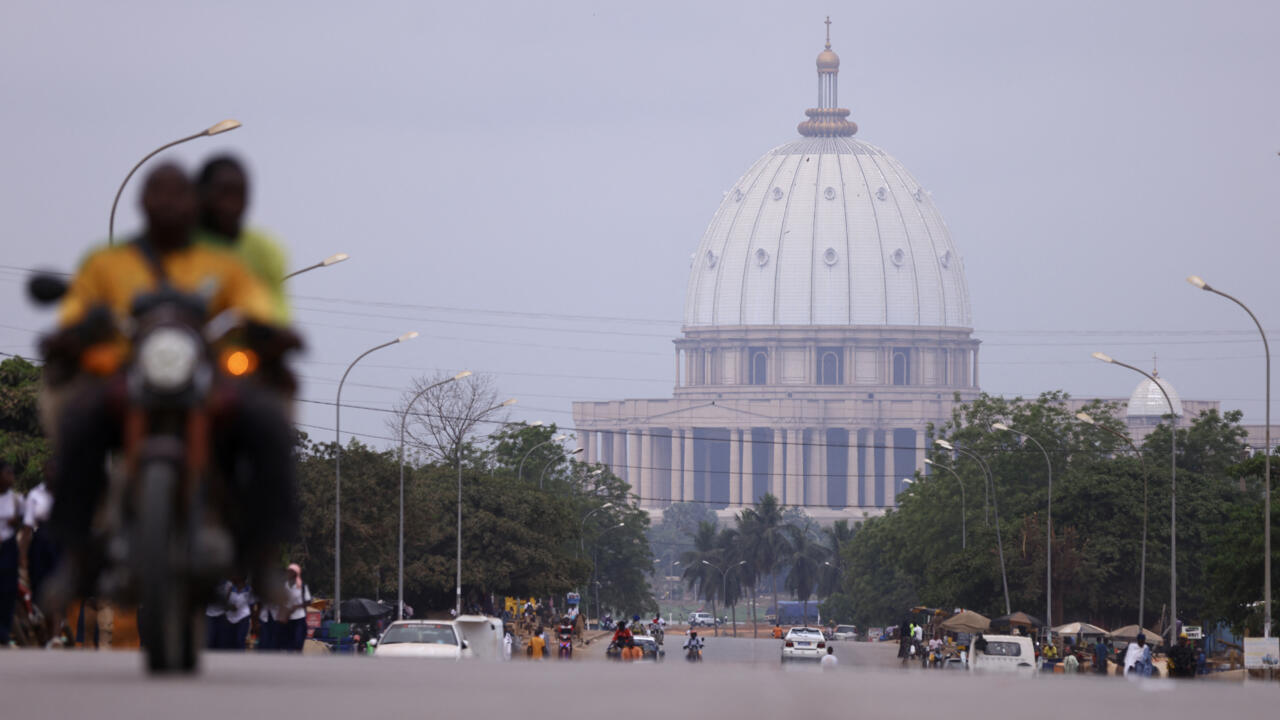
In Yamoussoukro, land values are skyrocketing and construction sites are sprouting up everywhere. The Ivorian political capital is fast becoming one of the country’s new hotspots for real estate investment. This land rush is not only transforming the skyline but also redrawing village boundaries and raising critical questions about the future of agricultural land.
aerial surveys reveal land transformation
With his drone, real estate agent Francis Djaha captures the dramatic changes sweeping across Yamoussoukro. From above, the once-rural landscape now shows clearly demarcated plots. Prices for these lots range from 15 to 40 million West African CFA francs, depending on location and size.
Djaha, who has spent five years in the property business, reports unprecedented demand: «We’re seeing everything from homebuyers seeking residential properties to industrial investors, commercial developers wanting office spaces, agricultural investors, and even buyers interested in move-in ready homes.»
The agent highlights Yamoussoukro’s growing appeal: «The city offers large, well-paved roads that make travel effortless. It maintains remarkable tranquility compared to other urban centers. The infrastructure legacy of President Houphouët-Boigny provides unique advantages—being centrally located means Yamoussoukro offers excellent connectivity across the country.»
agricultural lands under pressure
As investors flock to Yamoussoukro, surrounding villages face a different reality. Prime agricultural lands previously dedicated to cocoa, yam, and cassava cultivation are being progressively converted into residential and commercial developments. This transformation brings both development opportunities and growing concerns about the future of local farming communities.
In Séman Sanhourikro, just kilometers from the political capital, Michel N’Goran, advisor to the village chief, voices these concerns: «Land subdivision means we can no longer cultivate our fields. In 30 to 50 years, we risk facing the same fate as the Ebrié people around Abidjan—losing our cultivable land entirely.»
The national development plan includes a high-speed rail line designed to connect Abidjan to Yamoussoukro in just 45 minutes. While this infrastructure project promises to enhance the capital’s attractiveness, it also underscores the urgent need for balanced urban planning that protects agricultural heritage.