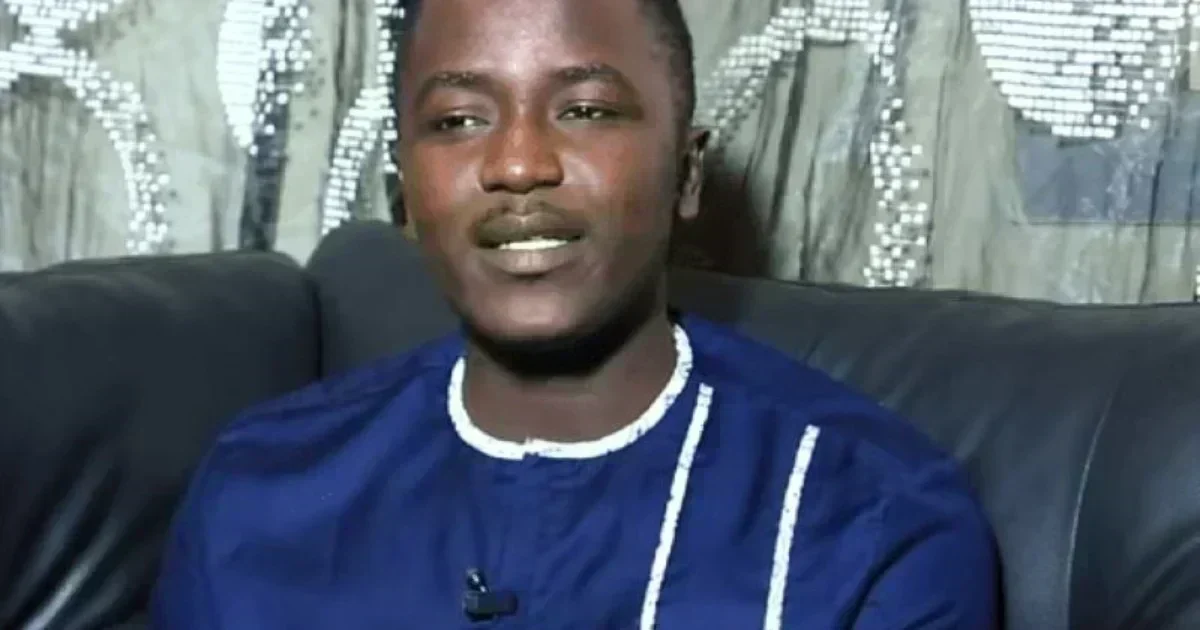
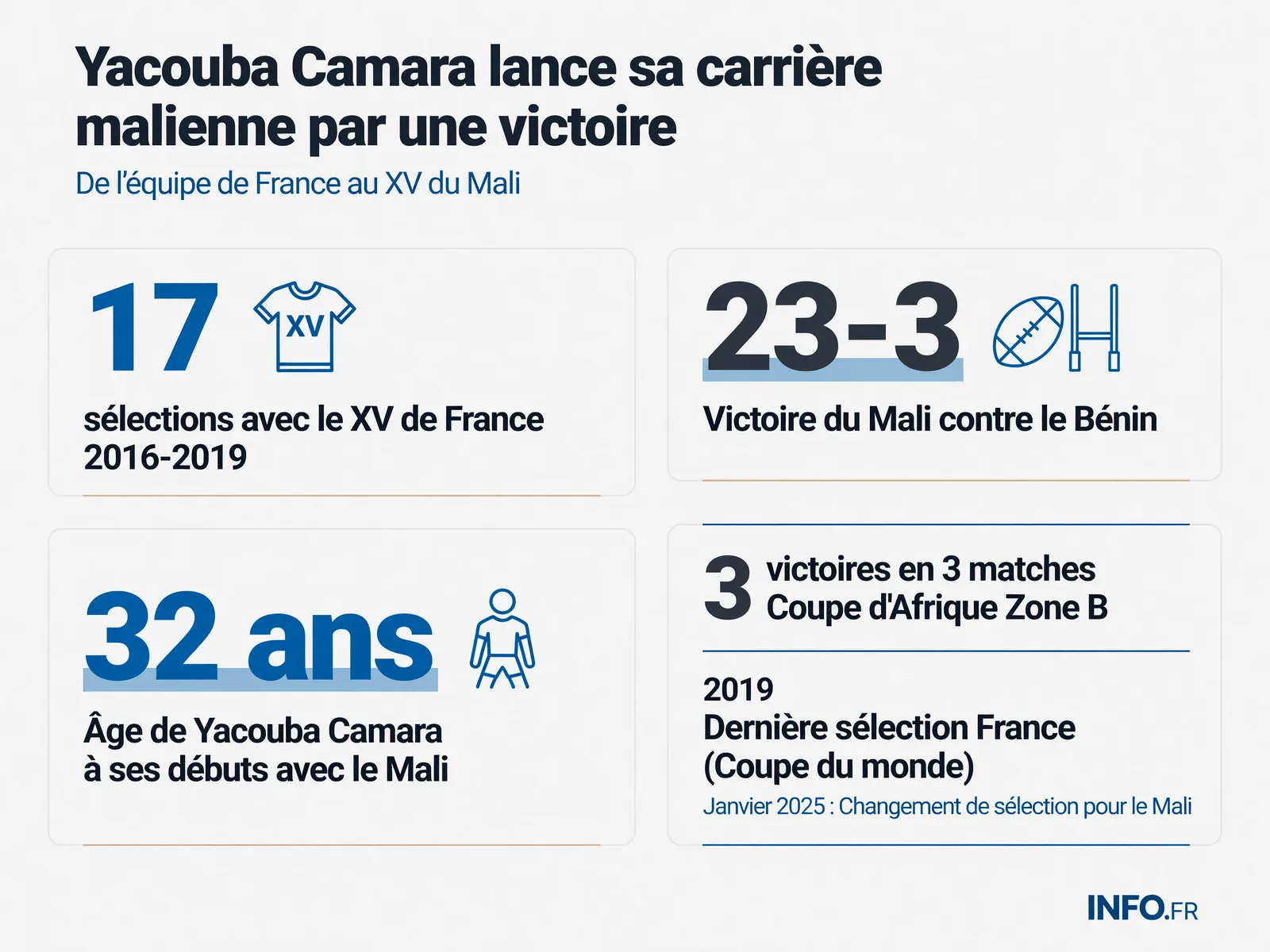
Yacouba Camara made his international comeback official at the Zone B Africa Cup in Bamako. The former France flanker stepped onto the pitch wearing the colors of Mali’s national team, the Aigles du Mali.


The Aigles du Mali delivered a dominant 23-3 victory over the Bénin in Bamako, continuing their impressive winning streak. Earlier in the tournament, they had already defeated Guinea 32-7 and crushed Niger 52-9 in their first two matches.
Seven years without a call-up
Camara’s return to international rugby comes after a long absence. His last appearance for France was at the 2019 World Cup. Nearly seven years later, the flanker is back on the global stage, but now representing a different nation.
A personal and professional decision for Camara, who was born in France to Malian parents. The experienced lock forward has chosen to channel his expertise toward growing rugby in Africa.
Transforming Mali’s rugby landscape
Beyond his on-field impact, Camara’s move could influence the development of rugby in Mali. With his deep knowledge of professional rugby, he brings valuable technical insights to a federation aiming to professionalize its national team.
Why France overlooked a top performer
Camara’s decision to switch allegiances highlights broader challenges in France’s player management strategies. Despite his consistent performances in the Top 14, the flanker was not called up after the 2019 World Cup. The French coaching staff’s shift in priorities left him without future prospects, raising concerns about how the federation handles the end of players’ careers when they no longer fit the team’s plans. Such cases may push other dual-national players to explore options elsewhere.
A familiar story in French rugby
Camara’s journey echoes that of other French-trained players who have chosen to represent African nations. These examples underscore the untapped potential of dual-national players in strengthening African rugby. With his elite experience, Camara is not only boosting Mali’s team but also setting an example for younger players considering this path.
What this move reveals about modern rugby
Camara’s choice raises an important question: what can experienced players bring to emerging rugby nations? The flanker didn’t opt for a cushy retirement in a foreign club. Instead, he committed to Mali, blending athletic ambition with cultural identity. His story also prompts a closer look at how France manages the later stages of players’ careers. Despite his professional-level skill, Camara was sidelined in 2019—a decision that pushed him to find a new international stage. His path could inspire other dual-national players seeking game time on the world stage.