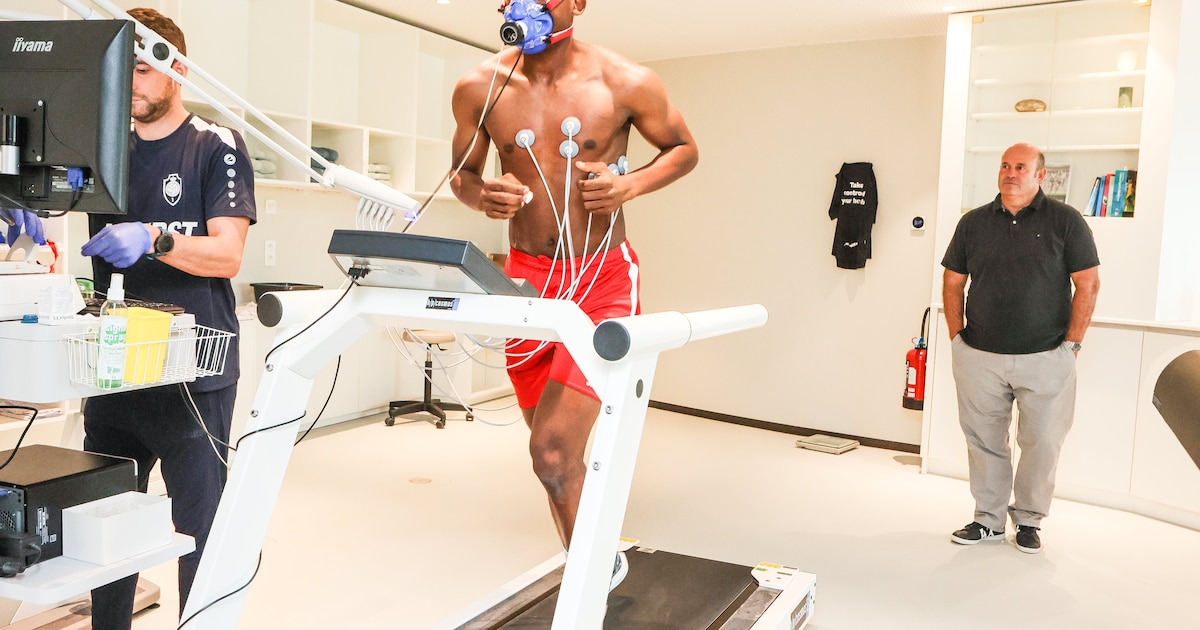
Why Serie A’s cardiac exams halted a promising footballer’s move to Inter Milan
Anan Khalaili’s medical exams failed in Italy, raising questions about the Serie A’s strict cardiac screening protocols
- Published July 13, 2026 at 4:06 PM

Anan Khalaili’s transfer to Inter Milan collapsed after he failed additional cardiac examinations at Milan’s Humanitas hospital. While initial tests had been conducted over the weekend, the deeper evaluation revealed issues that ultimately derailed the deal. Though medical details remain confidential, this incident highlights the Serie A’s rigorous cardiac screening standards—standards that are notably stricter than those in other European leagues.
Medical protocols in Italian football: a matter of life and death
In Italian football, every player—whether signing a new contract or extending an existing one—must undergo thorough medical examinations at an accredited sports medicine center. These evaluations follow a strict, multi-layered process: if any doubts arise during the initial screening, a specialist (often a cardiologist) conducts a deeper analysis.
The final decision is not left to clubs or players. Instead, an independent governing body determines the outcome. This protocol has been in place since 1982, when the Italian Ministry of Health designated specialized centers for high-performance athletes. A 1995 decree further tightened the rules, introducing advanced tests such as echocardiograms and stress tests.
“The strictness of our protocol may be debated,” says Paolo Zeppilli, former sports medicine professor and cardiologist for the Italian Football Federation. “But for us, it is an ethical choice. If an athlete risks a fatal collapse on the field, we cannot allow it. Frankly, other countries should adopt a stricter approach.”
No compromises: black or white decisions
Italian football leaves no room for negotiation. Players either pass the tests or are barred from competition—no exceptions. This rigid system contrasts with other leagues, where clubs or players may have more influence over medical clearances.
Real-life examples: Bove and Eriksen
Two high-profile cases illustrate the consequences of Italy’s strict cardiac policies. Edoardo Bove, an Italian midfielder, suffered a cardiac arrest during a Serie A match and received an implantable defibrillator. He was never cleared to play again in Italy, though he resumed his career in England, where regulations differ. Similarly, Christian Eriksen, who collapsed during Euro 2021, faced the same restrictions in Serie A but found opportunities elsewhere after his recovery.
Khalaili’s situation may yet lead him to a league with less stringent cardiac requirements, where his transfer could still materialize. For now, his case underscores the Serie A’s unwavering commitment to player safety—even if it means losing a promising signing.