US ambassador nomination to Gabon signals renewed diplomatic ties
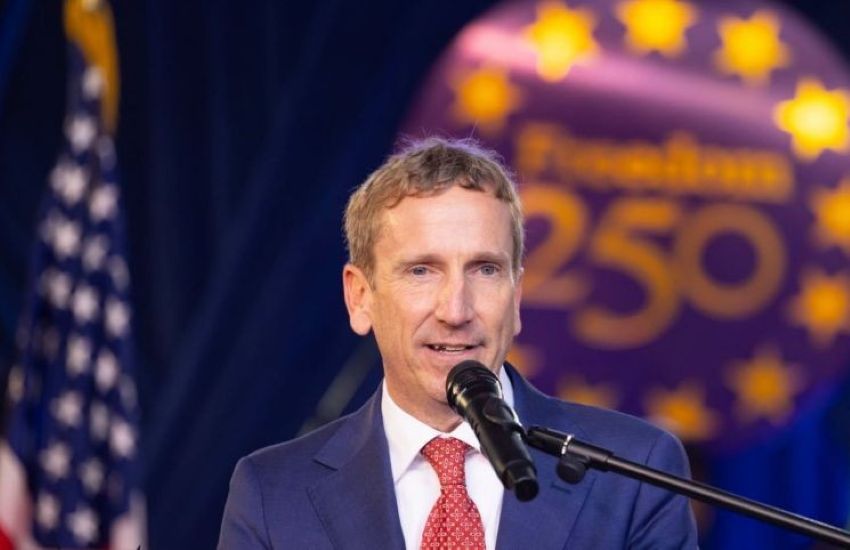
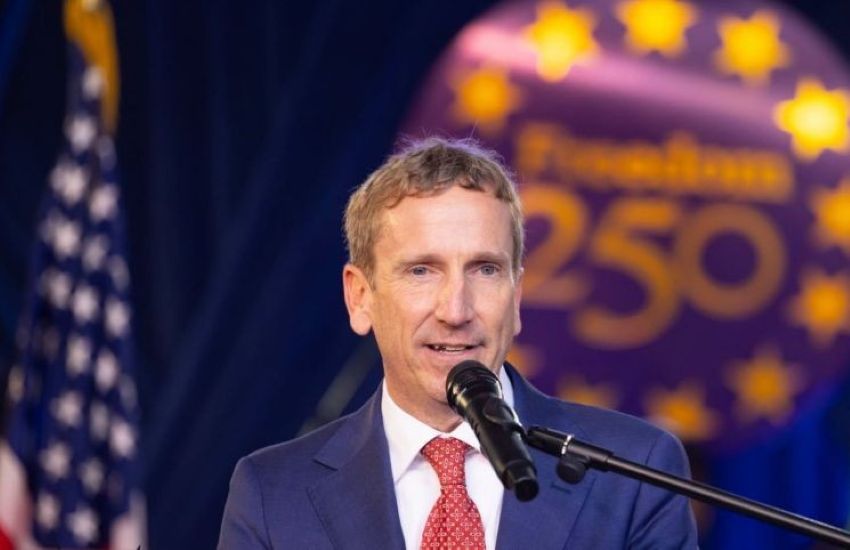
Libreville, Thursday, August 13, 2026 — The nomination of Keith Heffern as the next United States ambassador to Gabon marks a significant shift in Washington’s African diplomatic strategy under President Donald Trump’s administration.
On August 7, 2026, the White House formally submitted Heffern’s candidacy to the U.S. Senate for confirmation. If approved, he would replace the current interim chargé d’affaires, Susan N’Garnim, who has led the U.S. mission in Libreville since January 2026. This appointment would restore full diplomatic representation between the two nations after months of temporary arrangements.
Heffern brings extensive experience as a career diplomat within the Senior Foreign Service, currently serving as Minister-Counselor. His deep familiarity with Gabon’s political and economic landscape suggests a swift resumption of bilateral engagement, particularly as both countries seek to strengthen their partnership.
Washington’s African Diplomacy Reshuffle
Heffern’s nomination is part of a broader effort by Washington to revitalize its diplomatic presence across Africa. The Trump administration has proposed similar nominations for multiple African capitals, including Chad (William Flens), Madagascar and the Comoros (Marc Dillard), as well as Togo, Mauritania, Benin, Malawi, and Cabo Verde. These selections underscore a preference for career diplomats over political appointees, signaling a return to professionalized foreign service.
Strategic Importance of Gabon in U.S. Foreign Policy
Gabon’s role in Washington’s African strategy is far from incidental. The country’s rich mineral, forest, and energy resources, coupled with its strategic position along the Gulf of Guinea and the Congo Basin, make it a key player in regional stability and economic partnerships. The U.S. has recently reinstated Gabon’s eligibility for the African Growth and Opportunity Act (AGOA), a move that further solidifies economic ties.
Beyond economics, Gabon serves as a critical partner in maritime security and wildlife conservation efforts in the Gulf of Guinea. These priorities align closely with U.S. interests in countering illegal trafficking and ensuring regional security.
What’s Next for U.S.-Gabon Relations?
The Senate’s confirmation of Heffern’s nomination will determine the pace of this renewed engagement. While the political signal is already clear—Washington is prioritizing stable, experienced leadership in Libreville—the real test will be translating this diplomatic momentum into tangible outcomes.
For Gabon, the stakes are high. Opportunities in investment, trade, and institutional cooperation could redefine the country’s international standing, especially as global powers like China, Russia, and Turkey expand their influence on the continent. Heffern’s potential arrival in Libreville could serve as a catalyst for deeper collaboration, provided both sides seize the moment.
As the Senate deliberates, the eyes of diplomats and investors alike are fixed on Washington and Libreville. The confirmation of Keith Heffern would not only restore full diplomatic representation but also signal Washington’s renewed commitment to a relationship with strategic and economic significance.
You may also like
Moussa Kaka’s disappearance in Niger: the far-reaching consequences for citizens, the press and West Africa’s economy
Lyon’s goalless stalemate with Chelsea: the real-world fallout for fans, clubs and the women’s game
Eastern DRC peace mediation: what the latest Tshisekedi letter to Gnassingbé means for civilians and local businesses
Mali: JNIM ambush on Russian Africa Corps convoy near Niono — what it means for civilians and local trade
Mali’s poverty crisis: how hunger and hardship are reshaping daily life for millions