Thousands of malians displaced from kouakourou confront harsh realities
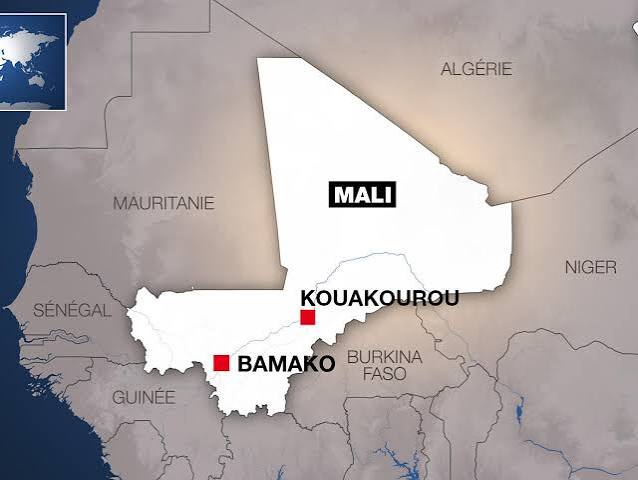
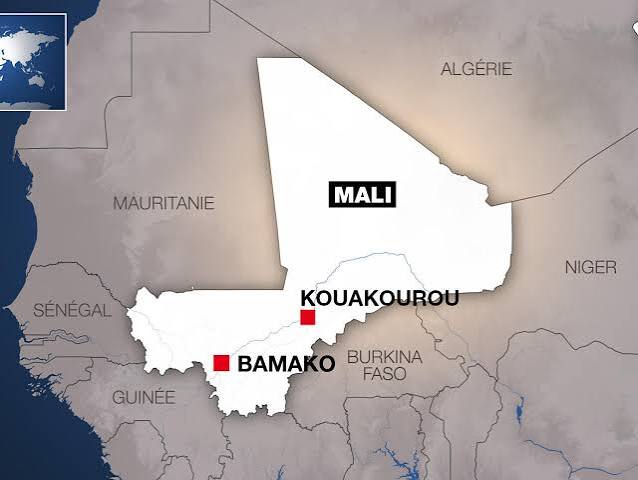
For two weeks, thousands of residents from Kouakourou, located in central Mali, have endured extremely precarious living conditions. They were compelled to abandon their homes following a stern ultimatum issued by fighters from the Group for the Support of Islam and Muslims (JNIM), an organization allied with Al-Qaeda. These displaced Malians are now striving to rebuild their lives far from their ancestral communities.
Following the seizure of the Kouakourou military camp, the jihadists demanded the immediate departure of the entire local population. Approximately 5,000 individuals were forced to flee their town, seeking refuge in neighboring villages or larger urban centers such as Djenné, Bamako, and Mopti. In Mopti, more than 400 displaced persons are currently housed temporarily in a school, which has been made available by local authorities.
While some food aid is being distributed, thanks to the efforts of donors and the municipal government, the overall reception conditions remain challenging. Classrooms have been converted into makeshift dormitories, and due to a severe lack of space, some families are compelled to spend their nights in the school’s courtyard. The ongoing seasonal rains further exacerbate their predicament, forcing everyone indoors and leading to increased overcrowding within the limited available shelter.
Beyond the tangible hardships, these families express profound suffering from the forced abandonment of their homes and all their worldly possessions. Numerous residents recount how they fled Kouakourou with only the clothes they were wearing, and many claim their mobile phones were confiscated by the jihadist militants during their departure.
This mass displacement coincides critically with the peak agricultural campaign, which severely compromises potential harvests and threatens the essential livelihoods of countless families. For these displaced individuals, the prospect of returning to Kouakourou remains their primary hope, though the prevailing volatile security situation makes any short-term return currently unfeasible.
You may also like
Niger fallout: General Tiani’s coup regret and the fear that now grips the palace
Mali’s media fallout: Maliweb.net and the fight for truthful reporting
Cotonou’s savings push: what the fallout means for West Africa’s financial future
Benin–Spain cultural alliance: what the reaction tells us about what comes next
Niger: Tiani’s widening purge sparks debate over citizenship and loyalty