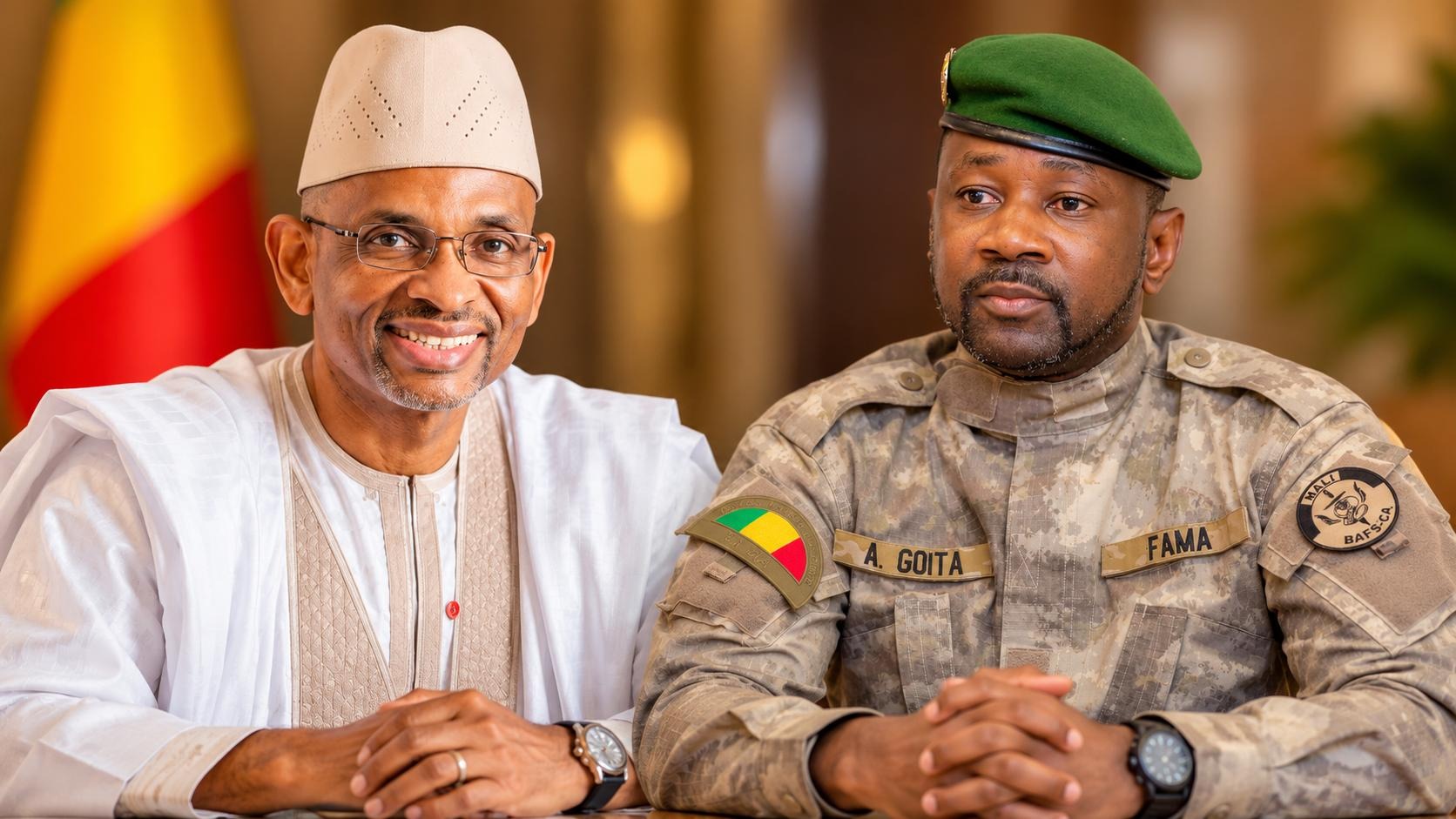
The historical pattern of authoritarian regimes reveals a sobering truth: total control over a nation requires more than silencing dissent or shuttering independent media. It demands mastery over how citizens earn their livelihoods. Mali’s current military-led administration has just demonstrated this principle in action.
When regulation becomes a tool of oppression
Under the guise of fostering growth, authorities recently unveiled what they termed a National Charter for Micro, Small, and Medium Enterprises (MSMEs). While presented as a benevolent initiative to ‘organize’ the private sector, the move signals a calculated attempt to seize control of economic freedoms. In a country where over 90% of the workforce relies on the informal economy—often the sole lifeline for women and youth—this sudden push for regulation carries heavy implications.
The illusion of support: who really benefits?
Far from empowering entrepreneurs, the charter’s true purpose appears to be consolidating political leverage. By imposing state-defined categories and criteria on traders, artisans, and transporters, the regime is laying the groundwork for a system where access to loans, public contracts, and even legal business operations hinges on political allegiance. With financial institutions and aid mechanisms now under the state’s thumb, compliance replaces competence as the path to economic survival.
Energy and finance: the crises no charter can fix
Officials claim the charter addresses Mali’s crippling financial and energy shortages. Yet the data tells a different story. Formal businesses report that credit scarcity and chronic power outages remain their greatest obstacles, according to World Bank assessments. No amount of bureaucratic restructuring will resolve these systemic failures. Instead, the focus on regulation distracts from the government’s failure to provide essential services like reliable electricity or affordable financing.
Freedom’s domino effect
Autocracies thrive on eroding freedoms in layers. Once free speech is stifled, the next step is to curtail economic autonomy. By choking off avenues for dissent through media suppression, the regime has already neutralized public protest. Now, by tightening control over private enterprise, it seeks to eliminate the final refuge of self-sufficiency: the ability of citizens to generate income independent of state patronage. History warns that such centralization inevitably leads to stagnation, impoverishment, and the collapse of private initiative.