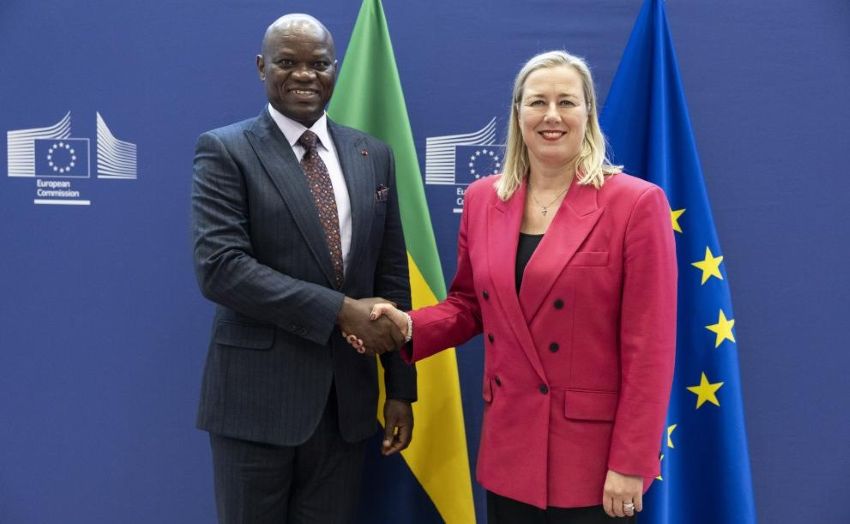
Gabon terminates EU fishing partnership to prioritize local economic growth
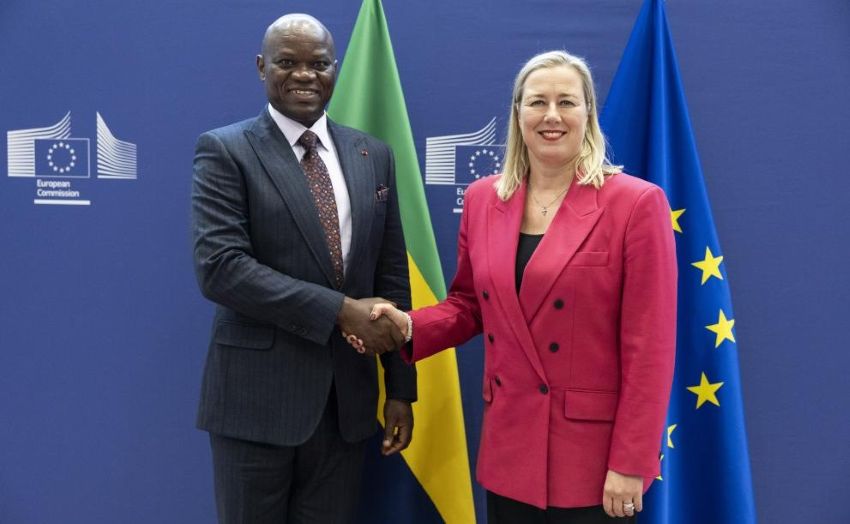
Libreville, July 1, 2026 — Gabon’s decision to terminate its long-standing fishing agreement with the European Union marks a decisive shift in the country’s economic sovereignty strategy.
On June 29, 2026, Gabon made a historic move by choosing not to renew the bilateral fishing partnership that had governed European access to its maritime resources for nearly two decades. The agreement, originally signed in 2007, had allowed European fleets to operate in Gabonese waters, but its economic benefits for the host nation remained limited.
This decision reflects a broader economic vision championed by President Brice Clotaire Oligui Nguema, who aims to reposition Gabon’s natural wealth as the cornerstone of national development. Rather than exporting raw materials, Libreville is now prioritizing local transformation and value addition to stimulate job creation and industrial growth.
Ending an unbalanced economic model
For nearly 20 years, the EU-Gabon fishing accord facilitated European exploitation of Gabon’s marine resources. While framed as a cooperative economic initiative, evaluations over the years revealed its shortcomings. Most catches were destined for international markets without significant local processing, denying Gabon the opportunity to develop a robust domestic industry.
This model failed to generate substantial employment, specialized skills, or added value within Gabon. As African nations increasingly seek to rebalance their economic relationships, maintaining the status quo became unsustainable. The termination of this agreement aligns with a regional trend where governments are asserting greater control over the exploitation of their strategic resources to ensure fairer benefit distribution.
Transforming fishing into an economic driver
Gabon’s move opens the door to a new fisheries policy focused on economic diversification. The government’s strategy includes three key objectives: developing local processing units to enhance the value of marine products before export, strengthening domestic food security through improved supply chains, and fostering a national industrial base capable of competing in strategic sectors.
This transition could attract private investment in conservation, maritime logistics, cold-chain transport, and food processing. With over 800 kilometers of coastline and one of the region’s richest marine ecosystems, Gabon is well-positioned to build a sustainable and high-performing blue economy.
A bold step toward economic sovereignty
Ending the EU fishing agreement is more than a contractual decision—it symbolizes a new economic paradigm for Gabon. The challenge now lies in translating political will into tangible results. Success will depend on the country’s ability to attract investment, modernize infrastructure, train a skilled workforce, and implement rigorous governance in the fisheries sector.
By choosing local transformation over raw material exports, Gabon is sending a clear message: its natural resources will now serve national prosperity first. This approach reflects a growing conviction among modern economies that true wealth lies not in extraction, but in the ability to process, innovate, and master the value chain sustainably.