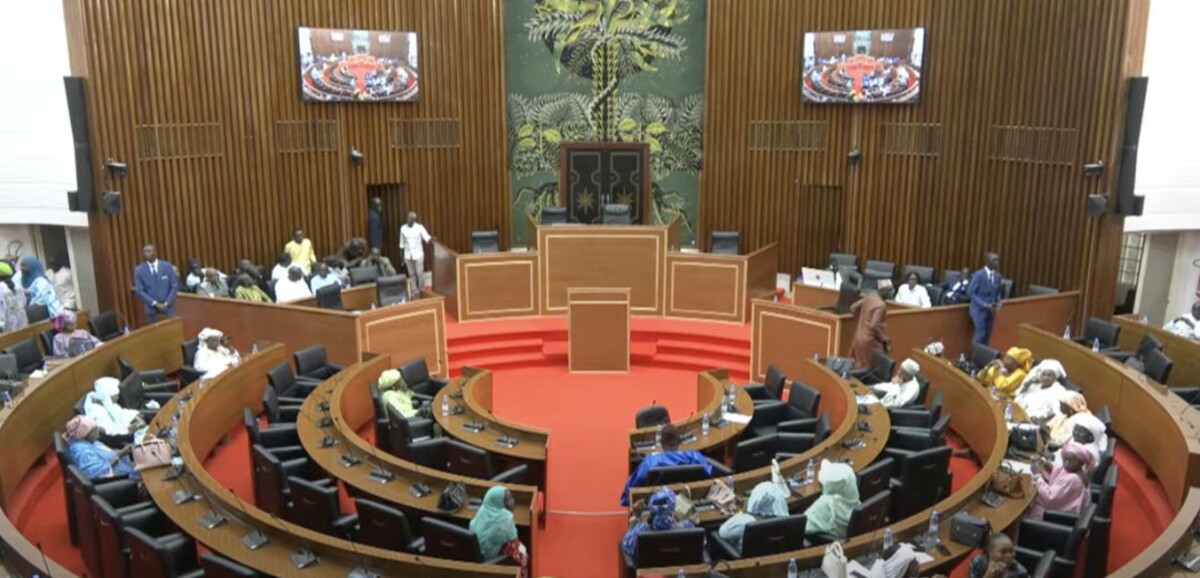
The former Prime Minister and current Senator of Chad delivered a keynote address this week at a widely attended public debate on the role of provincial councils. While acknowledging the potential of local governance, the leader of the RNDT-Le Réveil party highlighted the entrenched resistance of a central State reluctant to relinquish control.
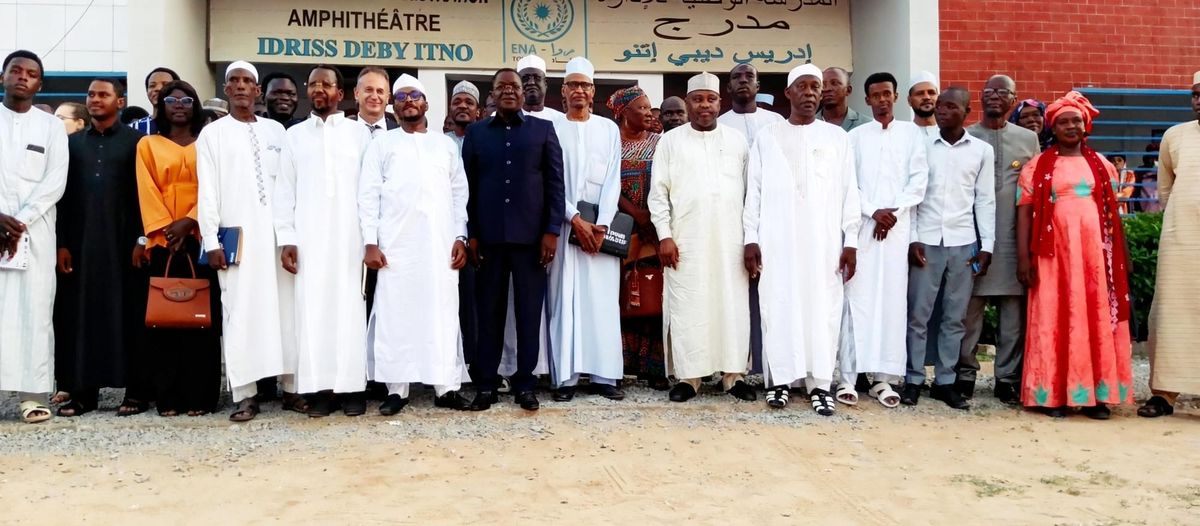
The Idriss Déby Itno amphitheater at the National School of Administration (ENA) was packed with civil servants, students, and political figures eager to hear Albert Pahimi Padacké, a prominent figure in Chadian politics and President of the RNDT-Le Réveil party. The chosen topic—« Decentralization in the Dynamics of Development: The Case of Provincial Councils »—could not have been timelier, given the ongoing national debate on institutional reform.
Over the course of more than two hours, the former head of government delivered a sharp analysis, blending technical precision with unfiltered political candor. While Chad has officially embraced regionalization and decentralization as policy goals, the on-the-ground reality, he argued, falls far short of these stated ambitions.
Why decentralization matters for local development
The keynote speaker began by underscoring the inherent advantages of decentralization. It remains the most effective mechanism for bringing government closer to the people, unlocking local initiative, and ensuring a fairer distribution of national wealth. Through the lens of provincial councils, Albert Pahimi Padacké explained how autonomous governance could enable faster, more targeted responses to pressing social needs—whether in education, healthcare, or basic infrastructure.
In his view, sustainable progress in Chad cannot be achieved as long as every decision, no matter how minor, continues to be dictated from the corridors of power in the capital.
The roadblock of centralized control
Yet the Senator’s assessment reveals a stark paradox in Chad’s governance model: a legal framework for decentralization coexists with a practice deeply rooted in a top-down, centralized approach. Albert Pahimi Padacké spoke at length about what he described as the « stubborn resistance of vertical centralization » within the State.
According to his analysis, the central administration actively resists the actual transfer of authority—and crucially, of financial resources—to provincial bodies. Provincial councils, he noted, exist in name only, lacking the real means to implement policy and instead operating under the stifling oversight of a central government reluctant to abandon its historical prerogatives. « Decentralization without financial autonomy is nothing more than a hollow administrative exercise, » he asserted.
Towards meaningful empowerment
The debate quickly evolved into a call for bold reforms. Albert Pahimi Padacké urged a collective awakening and a firm political resolve to dismantle the vertical hierarchy that paralyzes the provinces. For development to take root, he argued, the State must place trust in local leaders and transform provincial councils into autonomous economic engines rather than mere transmission belts for directives from N’Djamena.
The robust discussion that followed—featuring future senior civil servants from the ENA—reinforced the idea that local governance remains one of the most anticipated and sensitive challenges in Chad’s institutional landscape.