Sonko fires back after dismissal in Senegal

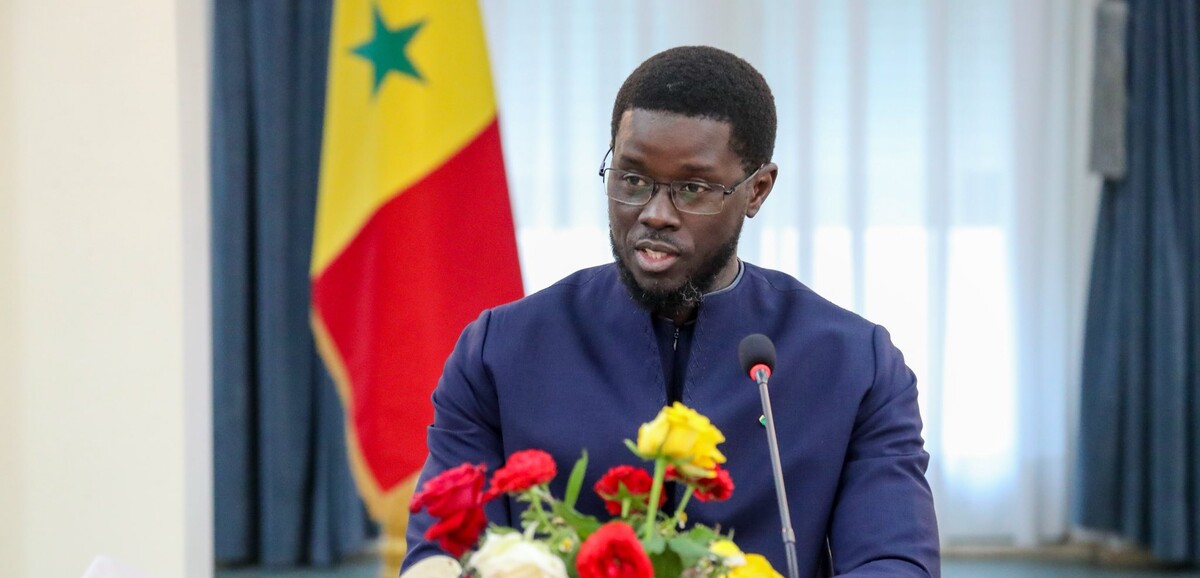
Just days after his removal from office by President Bassirou Diomaye Faye, Ousmane Sonko, former Prime Minister and leader of the Pastef party, launched a sharp counterattack. Speaking at a press conference in Dakar, Sonko directly confronted the head of state, questioning the legitimacy of the newly formed government led by Prime Minister Al Amine Lô.
The outgoing premier emphasized that while he has no intention of destabilizing state institutions, the Pastef party’s parliamentary majority grants it significant leverage. Sonko warned that a vote of no confidence could be used to force the government’s resignation at any moment. He described the current political climate as a form of cohabitation, stressing that he had repeatedly alerted President Faye about the risks of such a scenario long before the dismissal.
Criticism of government legitimacy
Sonko did not hold back in his assessment of the new executive. In a scathing indictment of the coalition backing the government, he declared, “We have a government with no political foundation.” He dismissed the claim of a “technocratic government” as a thinly veiled acknowledgment of its isolation from the electorate. “That so-called coalition doesn’t represent anything,” he asserted, reaffirming Pastef’s claim to the mandate of the Senegalese people. With 130 of the 165 parliamentary seats, the party remains the dominant political force in the country, having secured its position through elections.
A political impasse looms
The absence of Pastef from the government presents a major challenge for the Diomaye Faye administration. Analysts note that while the president retains constitutional authority, the success of his agenda hinges on maintaining cooperation with the party that holds an absolute majority in parliament. Without this support, the government’s ability to pass legislation and implement reforms could be severely compromised.
Commentators describe the situation as an unprecedented rupture within the same political movement. The president, though constitutionally legitimate, risks governing in a narrative vacuum—cut off from the very movement that propelled him to power. Meanwhile, Sonko, with his unshaken parliamentary dominance and grassroots mobilization, positions himself as the guardian of the party’s original vision.
In a sharp editorial, one observer noted, “Bassirou Diomaye Faye has strayed from the path that brought him to the presidency. He now governs in a liminal space—legitimate in form but orphaned in substance.” The piece continued, “With 130 deputies and a mandate rooted in the people, Ousmane Sonko stands not merely as an opponent but as the custodian of the movement’s founding narrative.”
What comes next?
As the political standoff intensifies, the coming weeks and months will reveal whether the government can navigate this delicate balance. The streets, parliament, and corridors of the Presidential Palace are likely to become the battleground for this high-stakes confrontation. The question remains: Can a technocratic-led government without a direct parliamentary base govern effectively while facing a dominant party that refuses to participate? The answer may unfold in the coming days.