Harnessing solar power to strengthen healthcare in Niafounké, Mali
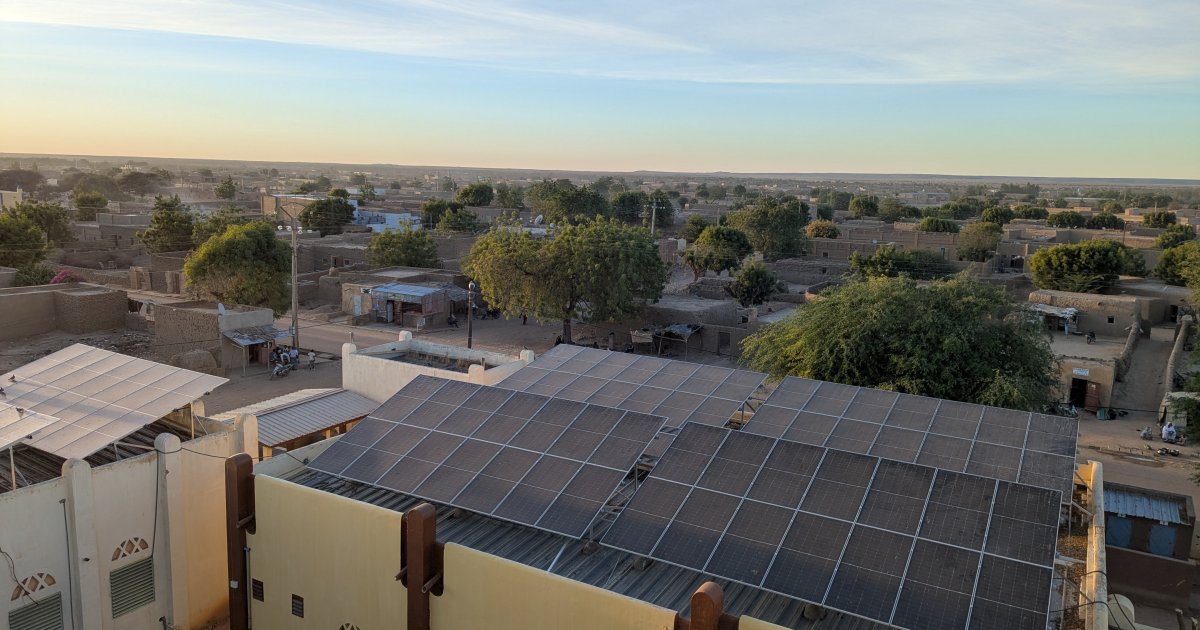
Previously, the hospital relied heavily on a diesel-powered thermal plant, which suffered frequent power outages. Medical teams were forced to depend on a backup generator daily, incurring high costs and reliability issues. Now, the new solar photovoltaic system meets approximately 60% of the hospital’s energy needs, drastically reducing its dependence on fossil fuels.
“This energy transition significantly cuts expenses linked to generator maintenance and diesel purchases, allowing us to allocate more resources to patient care,” explains Souleymane Ouattara, MSF’s project coordinator in Tombouctou. “It ensures the continuity of critical services, including neonatal and pediatric oxygen concentrators, surgical and obstetric emergencies, laboratory operations, ultrasound machines, and the cold chain essential for blood transfusions.”
The 90 kWc solar installation includes a 210 kWh lithium battery storage system, complemented by an 80 kVA backup generator. This hybrid setup seamlessly alternates between solar power, the city’s electrical grid, and the generator, providing a steady energy supply 24/7.
For patients like Fadi, a displaced mother who fled violence in Léré with her children, reliable healthcare is a lifeline. “Armed groups forced us to leave our village. Now, I bring my son Ousmane to the pediatrics ward,” she shares. In a region plagued by displacement and hardship, access to dependable medical services remains vital.
This initiative aligns with MSF’s Green Initiative, a global strategy to reduce the organization’s environmental impact while improving operational efficiency. For years, MSF has deployed hybrid solar systems in Sahelian countries to minimize reliance on costly, polluting diesel, which is often difficult to transport to remote areas.
Beyond environmental benefits, lower energy costs free up funds for medical care. Solar energy stabilizes laboratory operations, refrigeration units, and essential hospital services, enhancing both staff working conditions and patient care quality. In a fragile humanitarian landscape, solar power is more than a technical fix—it’s a catalyst for autonomy, resilience, and hope for health structures and the communities they serve. Through such projects, MSF merges humanitarian action with environmental responsibility and sustainable commitment to life.
Since 2019, MSF has run a pediatric project at Niafounké Hospital, caring for children under 15. The organization also supports four community health centers and conducts primary and community health activities in isolated villages across the Gourma region in Tombouctou.