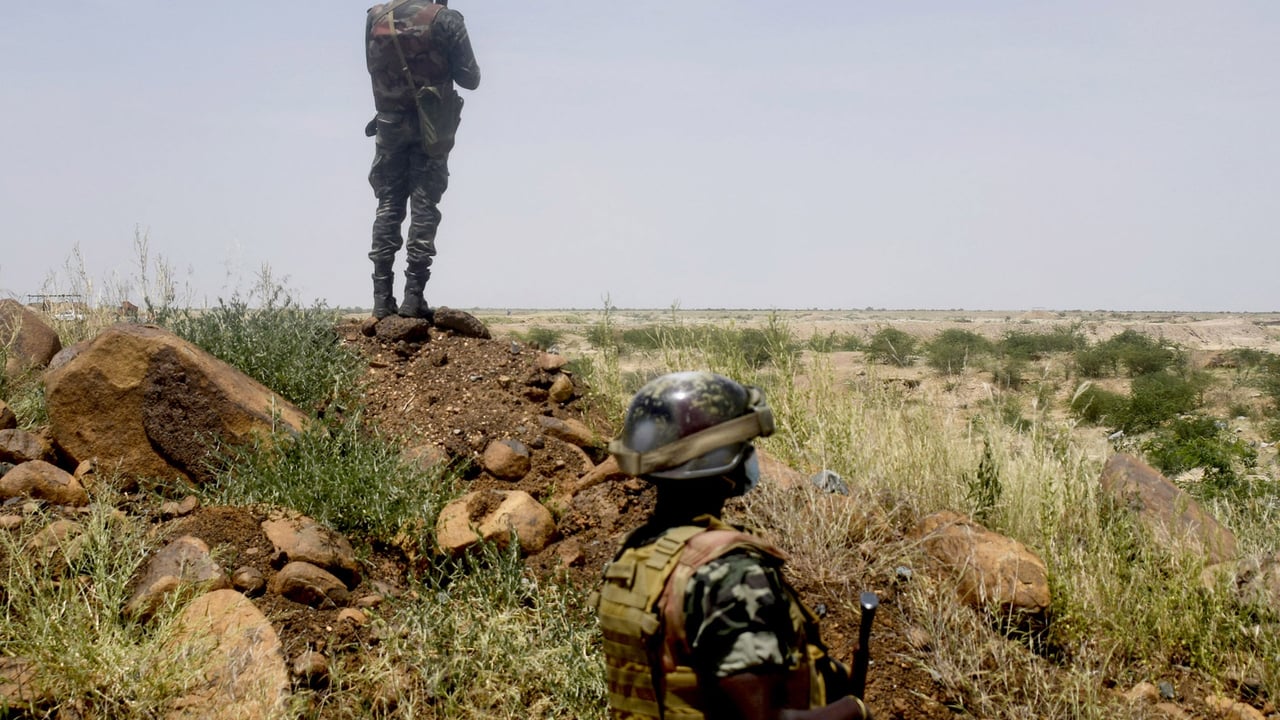

A devastating surge in West Africa Niger violence has left the nation in mourning following a brutal assault by extremist forces. On January 18, militants affiliated with the Islamic State in the Greater Sahara (ISGS) carried out a targeted execution of 31 civilians, including men and children, in the village of Bossiye.
This latest Niger Report from the Tillabéri region, located in the western part of the country, underscores the deteriorating Niger security situation. According to testimonies gathered by the international organization Human Rights Watch, the assault was orchestrated by approximately one hundred jihadist fighters who arrived on motorcycles around midday.
Escalating threats in the western region
The massacre in Bossiye is a stark reminder of the challenges facing Niger politics and regional stability. Current Niger news English coverage highlights that the perpetrators specifically targeted the male population of the village during their raid. This event adds to the growing list of atrocities committed in the volatile border zones.
As Niamey news today continues to track the movements of armed groups, the scale of this violence reveals the persistent threat posed by the ISGS. The use of motorcycles for rapid, high-impact attacks remains a signature tactic of these groups, allowing them to strike remote areas with lethal efficiency.