In Niger, the daily struggle to survive is reflected in a grim reality: many households live on just 2,000 West African francs. For a family of five to six members, that amounts to about 375 francs per person—barely enough to cover basic needs. What does this mean for a typical household in Niamey or a rural village?
With such limited resources, households first sacrifice protein-rich foods, then vegetables. Meals become monotonous, lacking essential nutrients. Children are the most vulnerable, often growing up malnourished due to insufficient dietary intake. The situation forces families to consume whatever is available, regardless of nutritional value.
Niger’s silent crisis: empty plates and strained resilience
The sociologist Remadji Ngaba highlights a harsh truth: Niger is grappling with severe economic strain. «The average household basket is nearly empty,» he states. «Families are barely making ends meet, resorting to extreme measures just to survive.» Over time, Nigeriens have developed a mental resilience to endure these hardships. Without this psychological strength, the situation would be unbearable.
Women bear the brunt of economic hardship
When prices surge, the burden falls disproportionately on women. As primary caregivers, they manage household budgets and are often the first to face the consequences of rising costs. «If a woman returns from the market distressed about soaring prices, it’s not an exaggeration—it’s reality.» She shoulders the immediate impact, and her struggle trickles down to the entire family.
Despite occasional government interventions, price fluctuations remain unchecked. «Any short-term measures are quickly reversed, leaving families back where they started.» The lack of sustainable solutions perpetuates the cycle of hardship.
Rural struggles: land, conflict, and migration
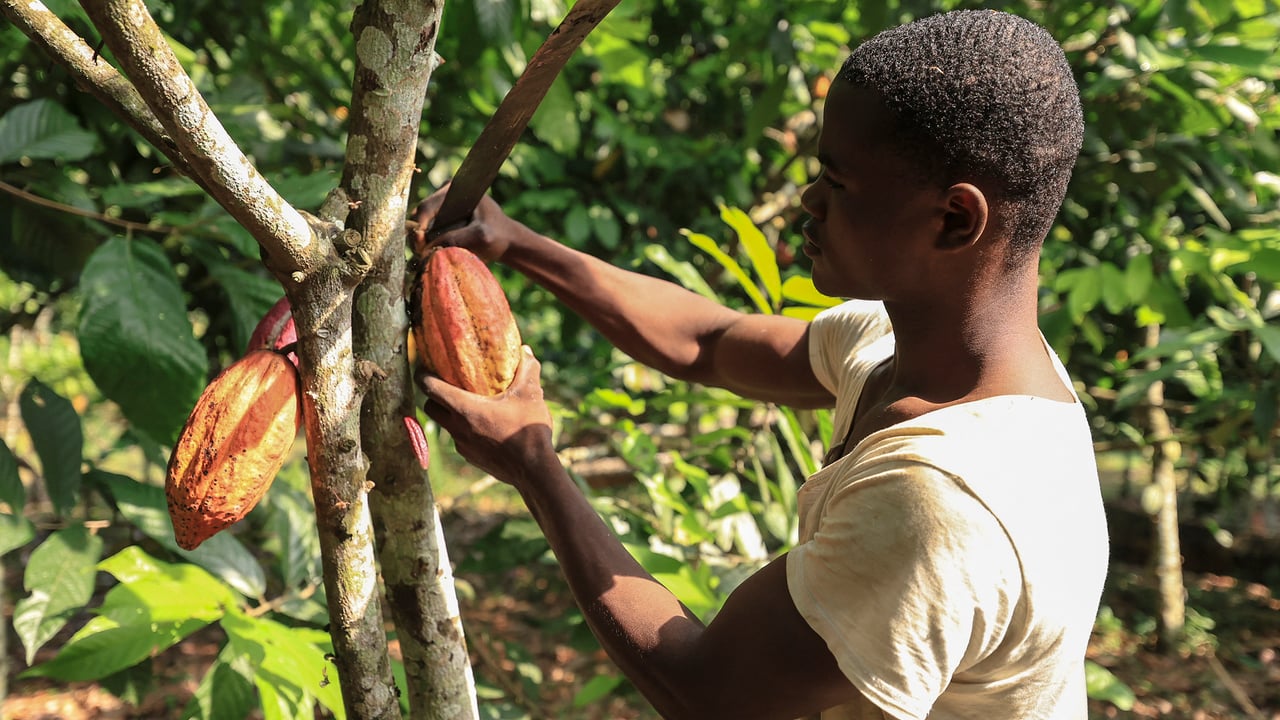
Niger boasts over 33 million hectares of arable land, yet hunger persists. The cost of living crisis is not confined to cities; rural communities face their own battles. Farmers and livestock herders endure daily threats—cattle destroying crops, absent justice systems, and no safeguards for small-scale agriculture.
These challenges drive many to abandon rural life. Yet, as Remadji Ngaba points out, «Not everyone can or should live in Niamey. The capital is not a safe haven.» Displacement disrupts local food production, further straining urban markets.
Policy gaps and the struggle for stability
The minimum wage, frozen at 60,000 West African francs since 2011, fails to keep pace with inflation. In Niamey, decent housing costs 20,000 to 25,000 francs monthly, leaving little for other necessities. Rent, utilities, and basic services consume most of a worker’s income, leaving families with no financial cushion.
The sociologist proposes targeted solutions: subsidizing agricultural projects, optimizing water resources, and implementing consistent market price monitoring. «Leaders must act decisively,» he asserts. «They see how other nations manage their people’s well-being—they have the resources to do more.»