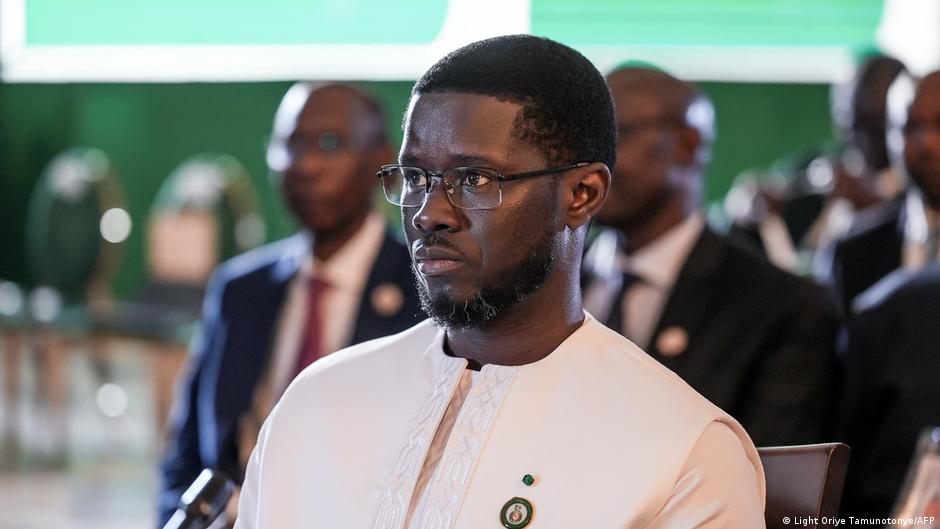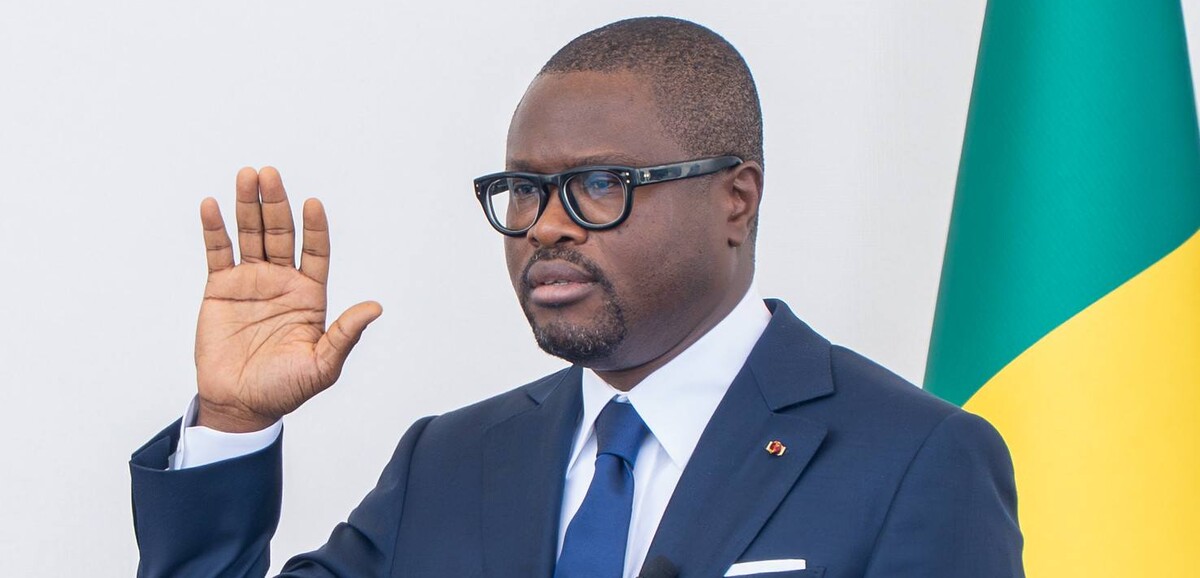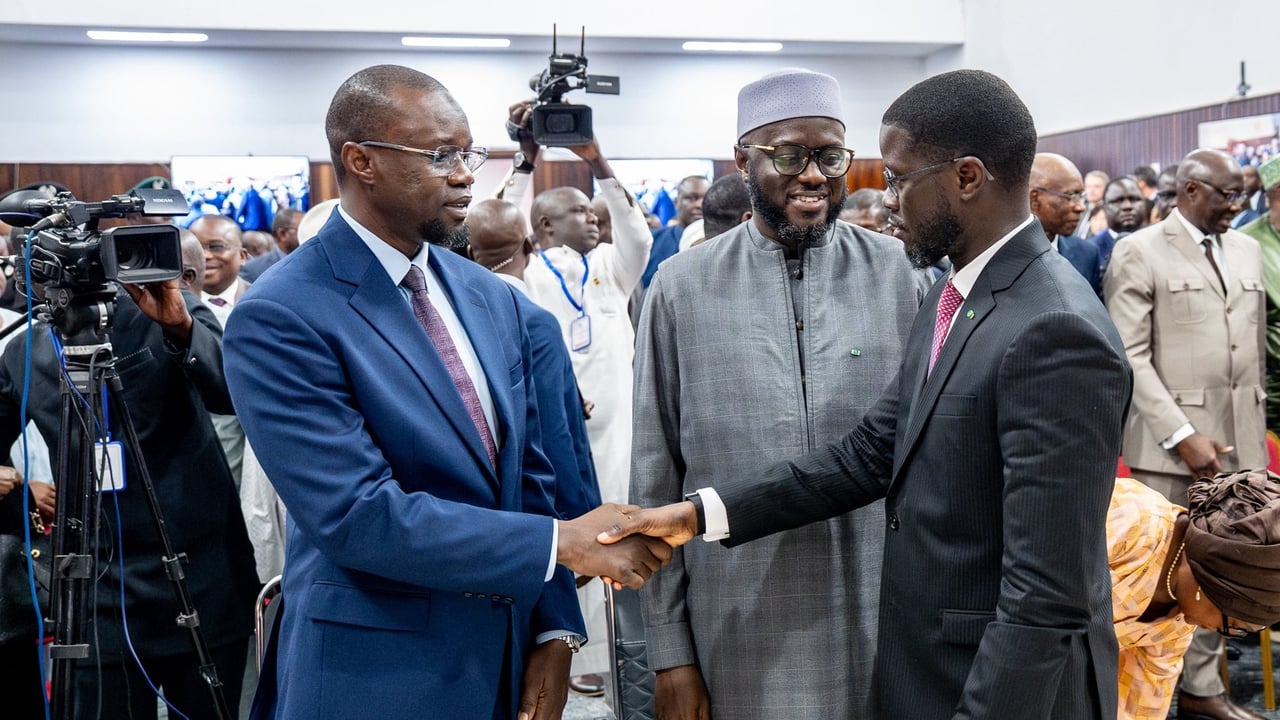
President Bassirou Diomaye Faye has terminated the mandate of Prime Minister Ousmane Sonko, marking a pivotal moment in Senegal’s evolving political landscape. The decision, announced in the early hours of May 22, reshapes the nation’s governance structure and signals a new chapter in its leadership dynamics.
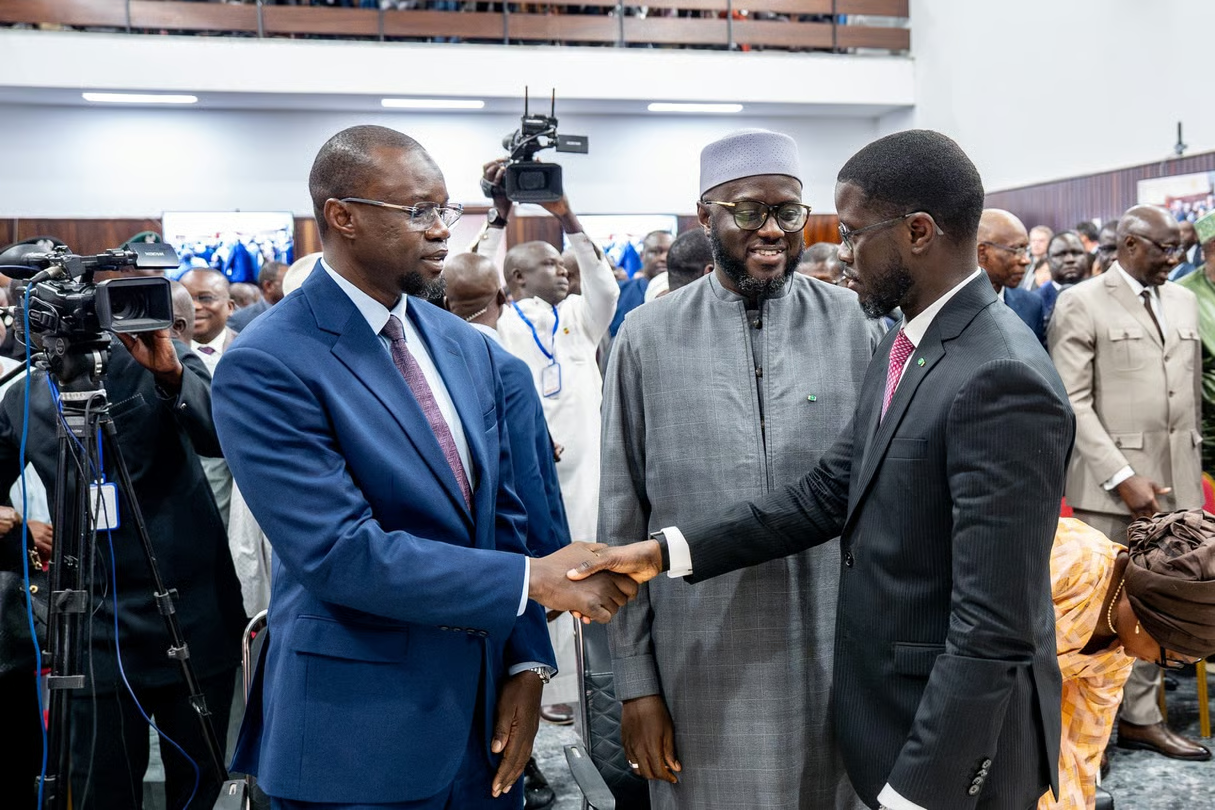
Consequences of the prime minister’s dismissal
The removal of Ousmane Sonko from the prime ministerial post comes as a strategic move by the new administration. It underscores the president’s authority to realign the government’s priorities and personnel according to his vision for Senegal’s future. The decision reflects a broader trend of administrative restructuring aimed at enhancing governance efficiency.
Immediate reactions and political implications
Political observers anticipate mixed responses to this development. While some factions may applaud the president’s decisive action, others could scrutinize the motives behind the dismissal. The move is expected to influence ongoing policy discussions and legislative agendas in the coming weeks.
Path forward for Senegal’s leadership
With Ousmane Sonko’s tenure concluded, the president is poised to appoint a successor who aligns with his administration’s goals. This transition presents an opportunity to introduce fresh perspectives and innovative approaches to national challenges. The focus remains on fostering stability and progress in Senegal’s socio-economic and political spheres.