Bénin: Romuald Wadagni sworn in as president after Patrice Talon’s decade in power
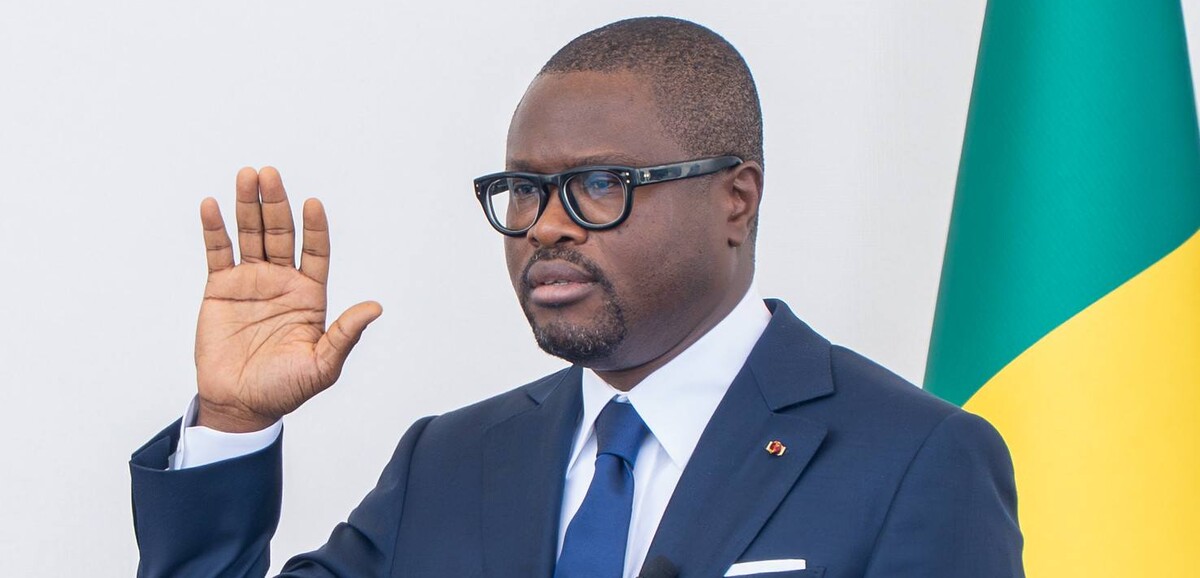
Romuald Wadagni has officially taken office as the new president of the Bénin. In a solemn ceremony held at the presidential palace in Cotonou on Sunday, May 24, 2026, the former Finance Minister was sworn in to begin his seven-year term, succeeding Patrice Talon.
The 49-year-old leader, long considered Patrice Talon’s protégé, inherits a nation shaped by a decade of economic reforms and political stability. His election in April with over 94% of the vote marked a clear mandate for continuity—but also for change.
economic continuity meets new security challenges
In his inaugural address, President Wadagni paid tribute to his predecessor, Patrice Talon, before outlining his vision for a more inclusive growth. “We must ensure that economic progress is felt in the daily lives of every citizen,” he declared, emphasizing job creation, education, and access to basic services.
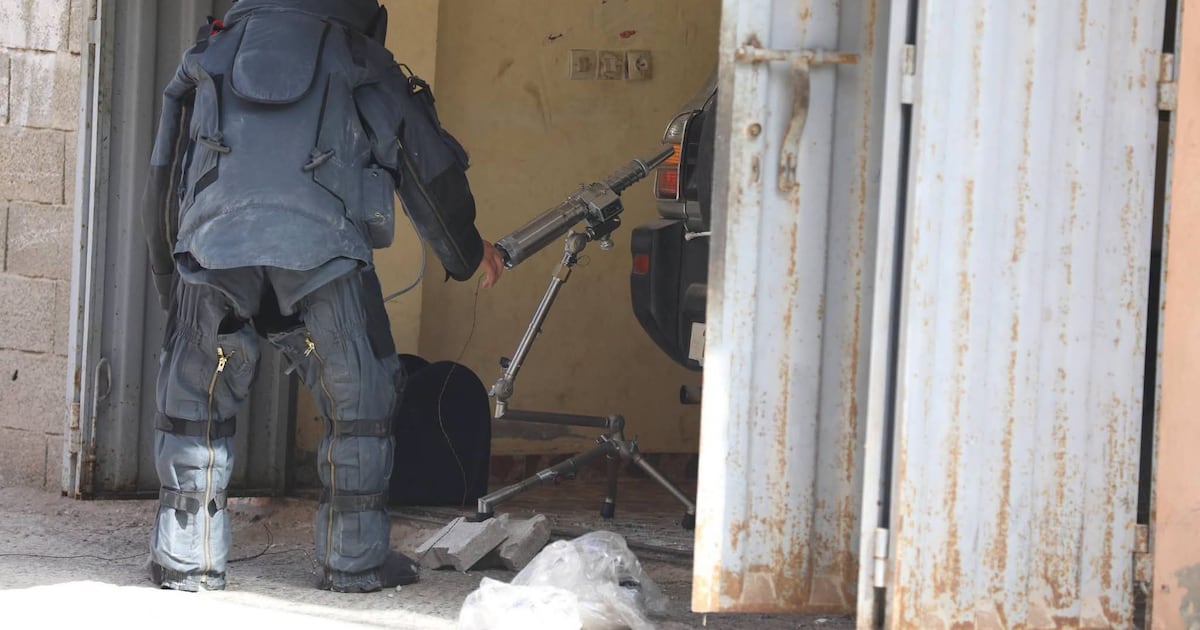
Yet beneath the optimism lies a pressing concern: the growing threat of jihadist violence in northern Bénin. With regional instability spreading across the Sahel, the new administration faces the urgent task of securing borders and protecting communities without eroding civil liberties. Wadagni signaled a firm stance, vowing to defend national sovereignty while strengthening cooperation with neighboring countries.
regional thaw: signals of diplomatic warming
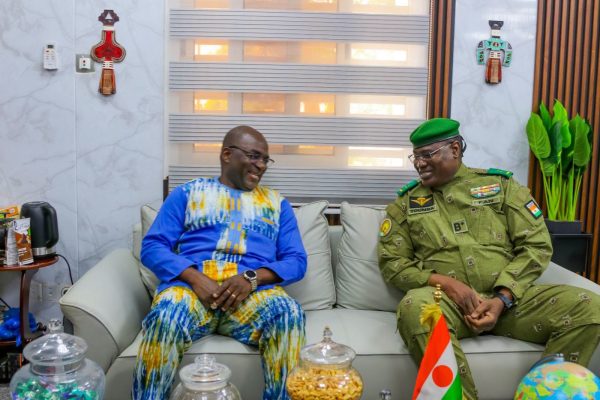
The ceremony took on added significance as a symbol of renewed diplomatic ties. Niger’s Prime Minister, Ali Mahaman Lamine Zeine, attended the event, marking a notable shift in relations that had recently been strained. Burkina Faso and Mali were also represented by their foreign ministers, signaling cautious but meaningful steps toward regional cooperation.
As Wadagni prepares to implement his policies, all eyes are on his approach to public freedoms—a key area of contention under the previous administration. Human rights groups have criticized the outgoing government for tightening controls on the press and civil society, raising concerns about whether the new president will usher in a more open era.
With a strong mandate and a nation watching closely, Romuald Wadagni’s presidency begins at a crossroads: balancing economic ambition with security imperatives, and navigating a delicate balance between governance and freedom.