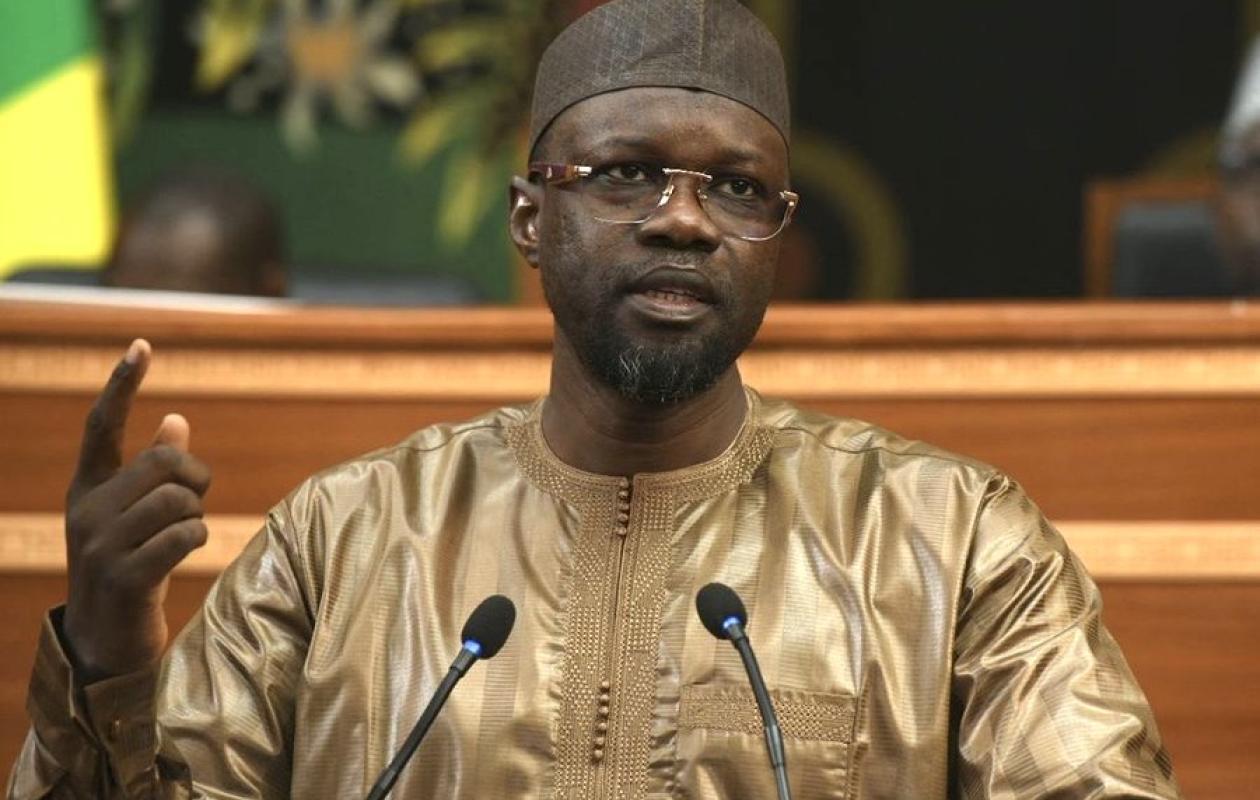
The Senegalese Prime Minister, Ousmane Sonko, has raised concerns about a possible increase in fuel prices due to escalating international tensions. Speaking to the National Assembly, he highlighted the potential impact on public finances and the national economy, warning that such a move could significantly affect the purchasing power of Senegalese citizens.
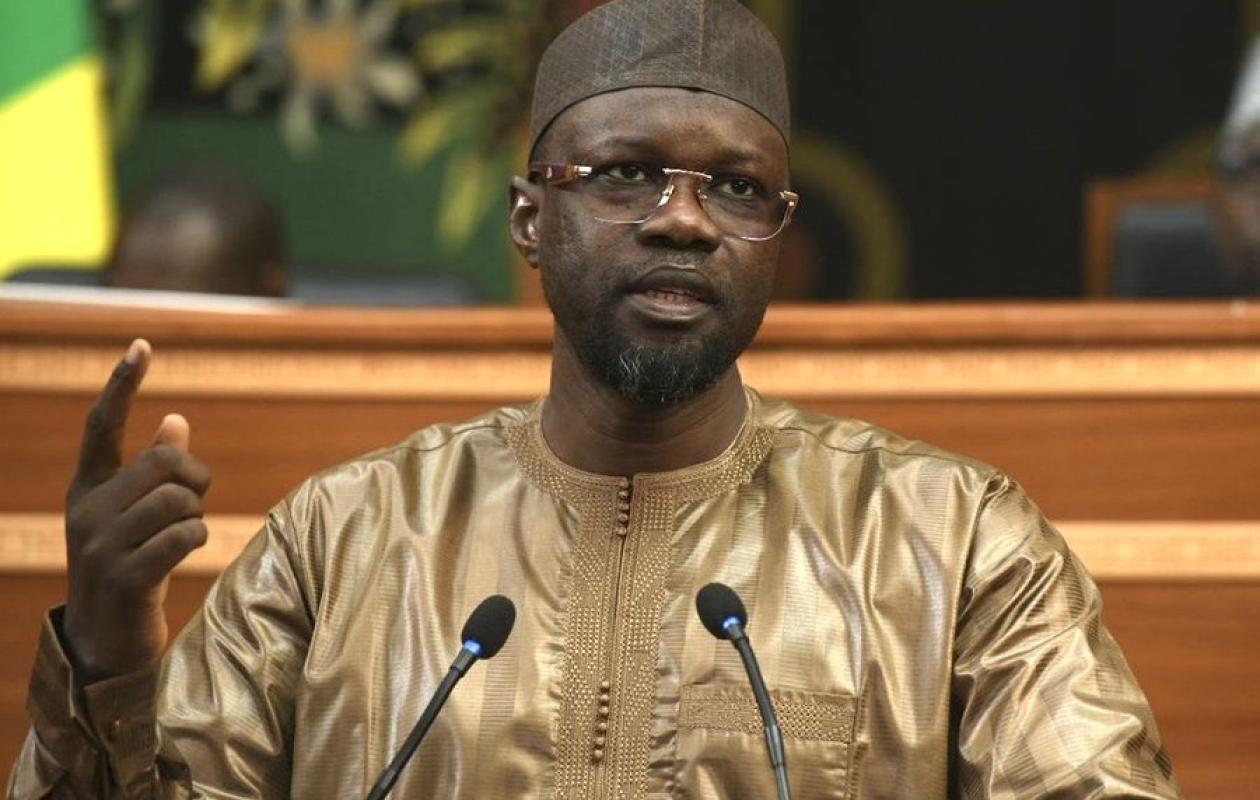
Global instability drives fuel price concerns in Senegal
During a parliamentary session, Ousmane Sonko outlined the factors contributing to the potential fuel price adjustment. He pointed to rising tensions in the Middle East and the sharp increase in global oil prices as key drivers behind the looming decision. The Prime Minister emphasized that initial budget assumptions, based on lower oil prices, are no longer viable, placing immense pressure on state finances.
« Countries worldwide are already adjusting pump prices to cope with this instability, » Sonko stated, underscoring that Senegal is not immune to these economic shocks. He warned that the consequences of inaction could extend beyond fuel, affecting broader economic stability.
Wider economic repercussions
The Prime Minister also drew attention to the broader economic implications of soaring oil prices. He noted that rising insurance costs for vessels transporting fuel from the Gulf could further strain the national budget. Additionally, he estimated that energy subsidies might exceed 1,000 billion FCFA, consuming a substantial portion of the state’s financial resources.
Balancing economic pressures and social priorities
Despite the challenges, Sonko reaffirmed the government’s commitment to protecting the purchasing power of Senegalese citizens. However, he acknowledged the limitations of the state’s ability to absorb external shocks indefinitely. « We will hold out for as long as possible, but we must remain realistic. No one can be held accountable for the impossible, » he cautioned.
Agricultural subsidies reform on the horizon
The government is also revisiting its agricultural subsidy program, currently valued at around 130 billion FCFA. Sonko criticized inefficiencies in the system, including poor targeting and management. He announced plans to gradually redirect funds toward mechanization and irrigation infrastructure to boost agricultural productivity year-round.