Senegal’s electoral code reform: president enacts key changes
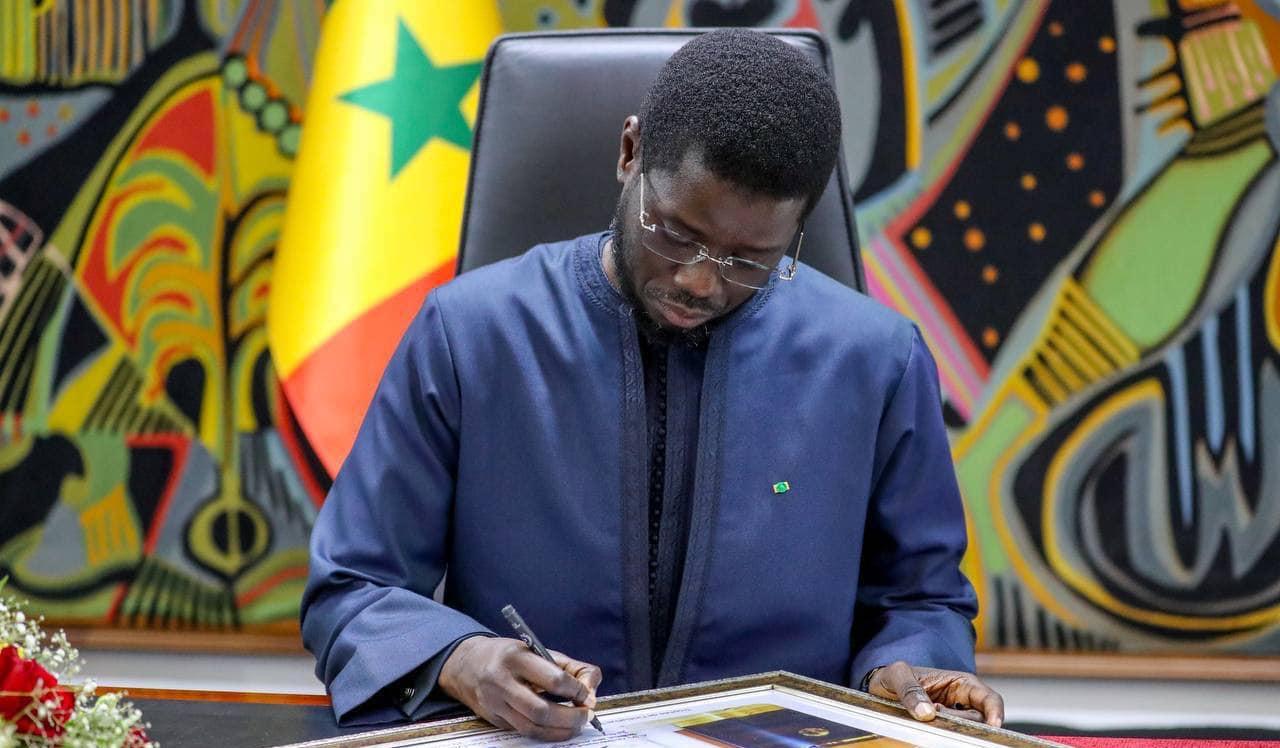
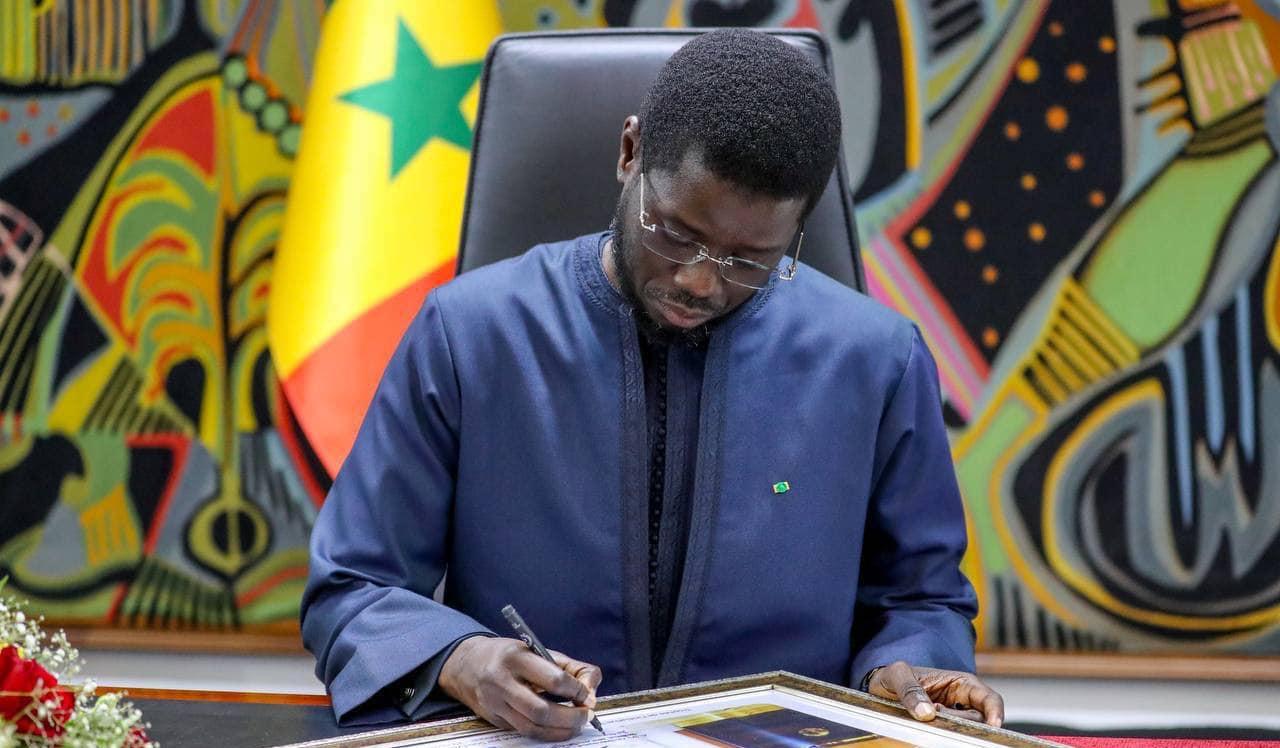
President Bassirou Diomaye Faye has officially enacted articles L29 and L30 of the electoral code, marking a pivotal moment in Senegal’s electoral framework reform. This landmark decision follows a second parliamentary deliberation and sets the stage for the country’s upcoming elections.
Parliamentary approval and presidential action
The electoral code amendments underwent rigorous parliamentary scrutiny before receiving presidential approval. Initially returned by the Head of State on May 7 for “clerical corrections,” the bill was resubmitted and swiftly adopted by the National Assembly on May 11 through an expedited procedure. Constitutional experts confirmed the timeline remained within legal parameters, with no deadline violations.
Key provisions of the electoral reform
The newly enacted articles L29 and L30 introduce critical modifications to Senegal’s electoral framework. These amendments specifically address:
- Eligibility criteria for electoral candidates, establishing clearer guidelines for participation
- Election administration procedures to enhance transparency and efficiency in voting processes
By signing these amendments into law, President Faye has finalized a significant legislative milestone that will shape the conduct of future elections in the country.