
Sénégal redefines African Francophonie at Dakar summit
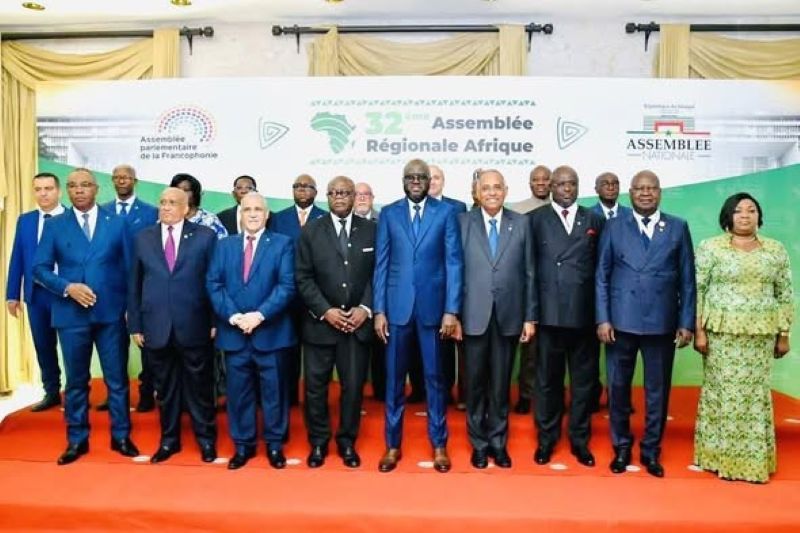
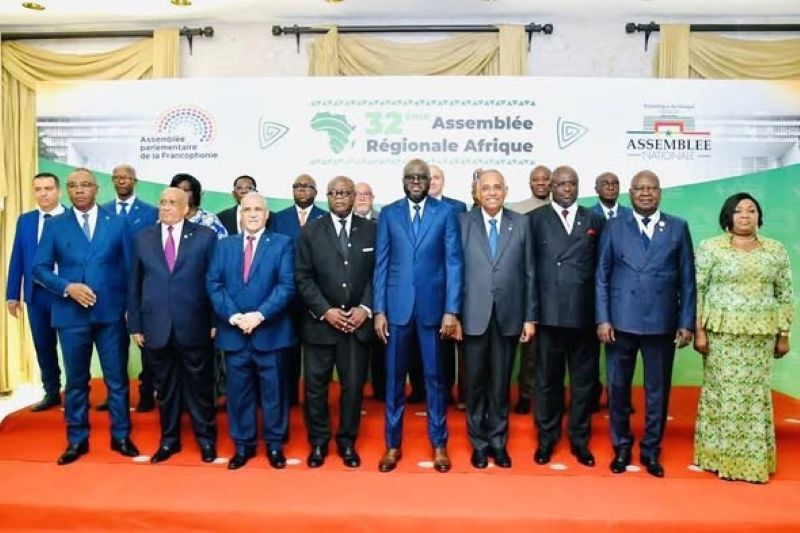
Dakar, May 19, 2026 – A high-stakes gathering of African parliamentarians concluded in Senegal’s capital with a bold redefinition of Francophonie on the continent.
Over three days, more than 200 lawmakers, assembly presidents, and institutional representatives from nearly 30 African nations transformed Dakar into a strategic hub for Francophone Africa’s quest for greater autonomy, sovereignty, and global influence.
Against a backdrop of shifting geopolitical sands—Sahel security crises, Middle East tensions, and intensifying great-power rivalries—the Dakar assembly transcended routine diplomatic proceedings. Instead, it addressed a pivotal question: What role should Francophone Africa play in the 21st century?
Senegal leads push for African-led Francophonie
The most defining moment came from El Malick Ndiaye, President of Senegal’s National Assembly. In a politically charged address, he championed an “assertive African sovereignty”, anchored in robust parliamentary institutions capable of exerting genuine democratic oversight.
Ndiaye’s speech signaled a paradigm shift: moving beyond Francophonie as a cultural or linguistic space, toward a strategic cooperation framework that prioritizes Africa’s security, economic, and diplomatic interests. He urged African parliaments to take center stage in shaping continental responses to crises, calling for a more proactive parliamentary diplomacy.
Key priorities identified included human security, fair taxation of extractive industries, administrative cooperation, and democratic accountability—all framed as essential to Africa’s future stability and prosperity.
This stance reflects a growing conviction among Francophone African elites: the continent must not merely participate in global debates but shape their outcomes.
Gabon asserts diplomatic ambitions in Dakar
Gabon made a strong impression during the summit. Michel Régis Onanga M. Ndiaye, President of Gabon’s National Assembly, led a delegation from both parliamentary chambers, underscoring Libreville’s commitment to strengthening its voice in international forums.
His participation comes as Gabon pursues a broader diplomatic repositioning—one aimed at rebuilding institutions and enhancing its standing across Africa and beyond. The Gabonese delegation advocated reforming the Assemblée parlementaire de la Francophonie (APF) to better align with African priorities, highlighting the need for modernized institutions capable of addressing today’s challenges.
At Dakar, Gabon positioned itself as a proactive advocate for governance reform, democratic resilience, and sustainable development—signaling a shift from passive diplomacy to strategic influence-building within Francophone institutions.
Francophonie at a crossroads: sovereignty vs. tradition
The Dakar debates exposed deep unease within institutional Francophonie. Many African leaders argue that legacy structures no longer reflect today’s geopolitical realities. Sovereignist demands, democratic aspirations, persistent security threats, and economic pressures have reshaped expectations of international organizations.
The emerging consensus? Francophonie must evolve from a top-down solidarity model into a strategic partnership focused on security, economic integration, regional stability, and citizen-centered governance. This is no minor adjustment—it represents a fundamental intellectual shift among Francophone African policymakers.
A new generation of leaders is determined to build institutions that defend African interests in an increasingly competitive and conflict-ridden world.
Dakar as a symbol of Africa’s strategic awakening
By hosting the 32nd APF Regional Assembly, Senegal reaffirmed its ambition to become a leading voice in Africa’s evolving diplomacy. The choice of Dakar was deliberate—amidst the fallout of a historic political transition in 2024 and a broader recalibration of ties with former colonial powers.
While official resolutions matter, the summit’s legacy lies in its symbolism: Africa is no longer content to follow—it is defining the agenda. The Francophone parliamentary movement has entered a new chapter—one where sovereignty, democratic governance, and political agency take precedence. At Dakar, African parliamentarians didn’t just discuss the future of Francophonie—they began to redraw the map of African ambition.
You may also like
Bénin et Émirats arabes unis renforcent leur coopération militaire
Did Togo really spend two million dollars on a symbolic un map?
Did billions vanish from the vaults of the Special Criminal Court in Cameroon?
Why are Bénin’s amazones celebrating a historic handball triumph in Ouagadougou?
Niger’s official narrative masks deep fractures within the ruling junta