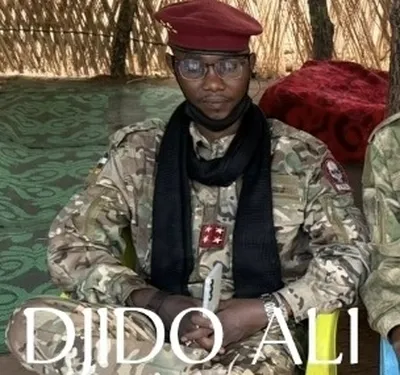
The Nigerien Military-Political Command (MPC) has witnessed a dramatic shift in leadership as Ahmat Chaltout, the recently appointed Chief of Staff, stepped down under intense pressure from Russian-affiliated mercenary factions operating in the region. The power transition has elevated Didot Ali, a former MPC Chief of Staff, to the top position, signaling a new phase in the country’s security apparatus.
Mercenary presence reshapes Niger’s military command
The unfolding events in Niamey reveal a tense standoff between rival factions within the MPC, with Russian-backed mercenary groups playing a decisive role in the outcome. Sources close to the situation confirm that Chaltout’s resignation follows months of escalating tensions and strategic maneuvering by these external actors, who have increasingly influenced Niger’s internal military decisions.
The move underscores the growing footprint of foreign mercenary groups in West Africa, particularly in Niger, where their presence has become a defining factor in the nation’s security landscape. Analysts suggest this shift could have far-reaching implications for Niger’s sovereignty and regional stability.
Didot Ali emerges as new MPC leader amid shifting alliances
Didot Ali’s ascension to the helm of the MPC marks a significant turning point in the organization’s trajectory. His prior experience as Chief of Staff positions him as a seasoned figure capable of navigating the complex web of alliances and rivalries that now characterize Niger’s military command structure.
The transition comes at a critical juncture, with Niger facing mounting security challenges that demand decisive leadership. Ali’s appointment is expected to bring a fresh perspective to the MPC’s operations, though the extent of his autonomy in decision-making remains a subject of speculation among observers.
Niger’s security dynamics under new military leadership
The reshuffling at the MPC highlights the delicate balance of power within Niger’s security sector. The involvement of Russian mercenaries in internal military affairs has raised concerns about the country’s ability to maintain control over its defense institutions. This development follows closely on the heels of similar shifts in neighboring countries, where foreign mercenary influence has become a growing concern.
As Niger grapples with evolving security threats, the new leadership under Didot Ali faces the challenge of restoring stability while navigating the pressures exerted by external actors. The coming weeks will be crucial in determining whether this transition will lead to greater cohesion within the MPC or further fragmentation of its command structure.