
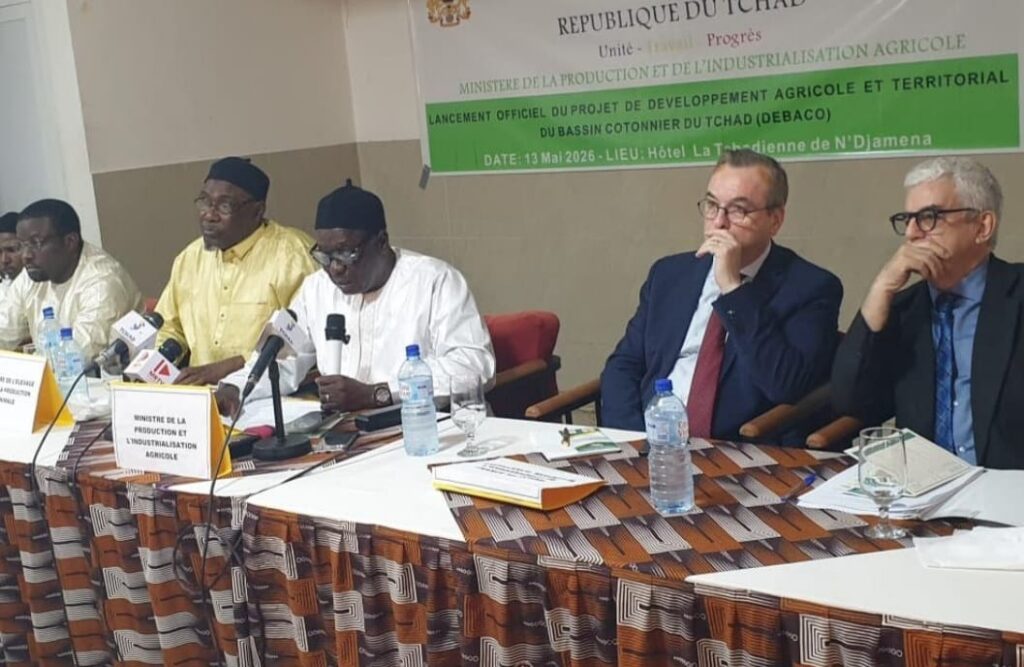
Chad’s cotton industry set for revitalization with French funding
Chad, Central Africa’s second-largest cotton producer, secures $22.5 million from France to strengthen and modernize its cotton sector.
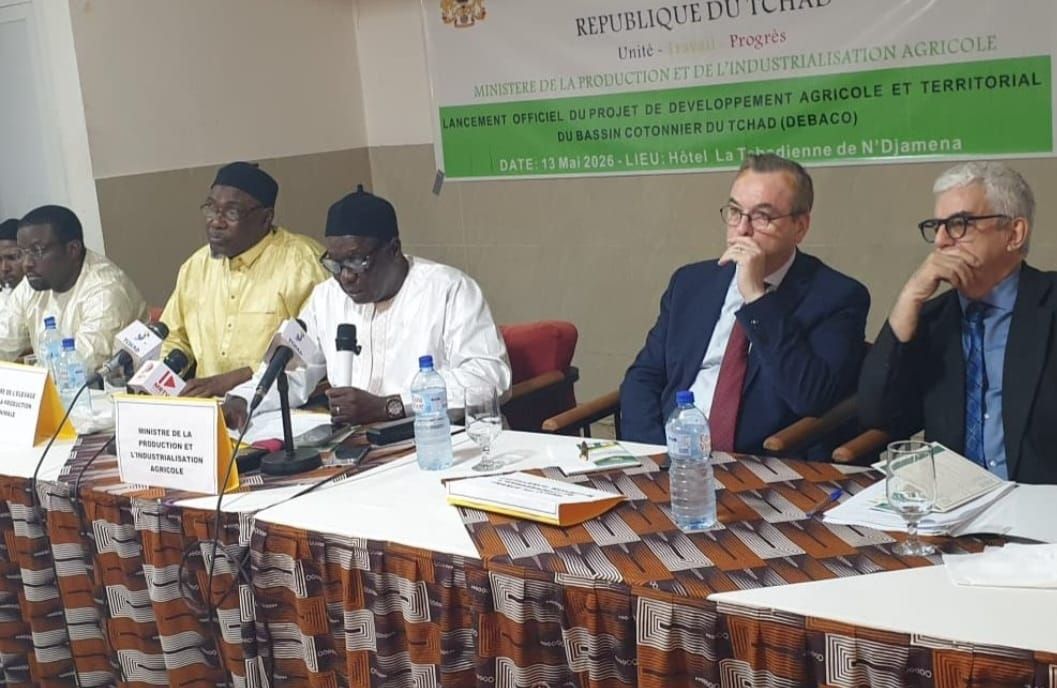
Chad stands as Central Africa’s second-largest cotton producer after Cameroon. After years of fluctuating production that struggled to stabilize, N’Djamena is now pushing to inject fresh momentum into the sector.
The Ministry of Production and Agricultural Industrialization launched the Projet de Développement agricole et territorial du bassin cotonnier du Tchad (DEBACO) on May 13. This five-year initiative, valued at €19.35 million ($22.5 million), is fully funded by the French Development Agency (AFD).
The French Embassy in N’Djamena confirms that DEBACO represents a strategic shift in France’s support for Chad’s cotton industry, adopting a more holistic approach to rural development. While the project centers primarily on cotton, it also extends assistance to key food crops vital for food security, including sorghum, maize, cowpeas, and groundnuts.
According to the Ministry of Agricultural Production, DEBACO will enhance land-use planning, demarcate and secure livestock corridors, prevent conflicts, and establish local dialogue frameworks among stakeholders.
Targeted interventions will focus on Mayo-Kebbi Ouest and Moyen-Chari provinces, which together account for nearly a quarter of Chad’s annual cotton output, as reported by USDA data.
This French cooperation support arrives at a critical juncture when Chad’s cotton production has experienced significant volatility over recent years, trending downward. Data from the interprofessional sector, compiled by the Regional Integrated Cotton Production Program in Africa (PR-PICA), highlights the instability in local supply.
In the 2023-2024 season, cotton seed production rose by 9% to 111,262 tons. However, the following year saw a sharp decline to 57,774 tons—a nearly 50% drop. For the 2025-2026 campaign, PR-PICA projects a rebound of 29.8%, with estimated output reaching 75,000 tons.
The effectiveness of DEBACO’s implementation in driving sustainable change for Chad’s cotton sector remains to be seen in the coming years.
You may also like
Mali: at least 80 soldiers killed in deadly assault on Dioura camp
Côte d’Ivoire : le Burida redistribue 795,4 millions FCFA à 5 435 créateurs
Paris FC vs Lyon: kick-off time and TV channel for the Ligue 1 clash
Niger: does Tiani’s purge expose hidden fractures at the top?
Everest Finance dévoile Sama Naffa, une épargne à petits pas au Sénégal