
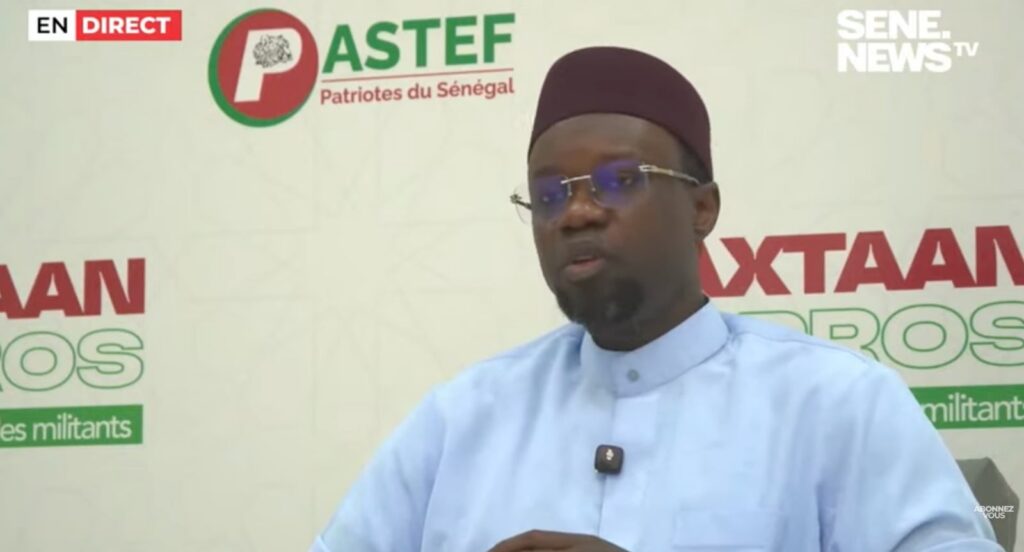
Sénégal: prime minister Ousmane Sonko uncovers alarming infrastructure audit findings
Prime Minister Ousmane Sonko yesterday unveiled the results of a deeply concerning audit into Sénégal’s national infrastructure, exposing numerous stalled projects and a troubling lack of transparency in their management. With over 5,000 billion FCfa already committed, he warned of significant economic and social repercussions for the nation.
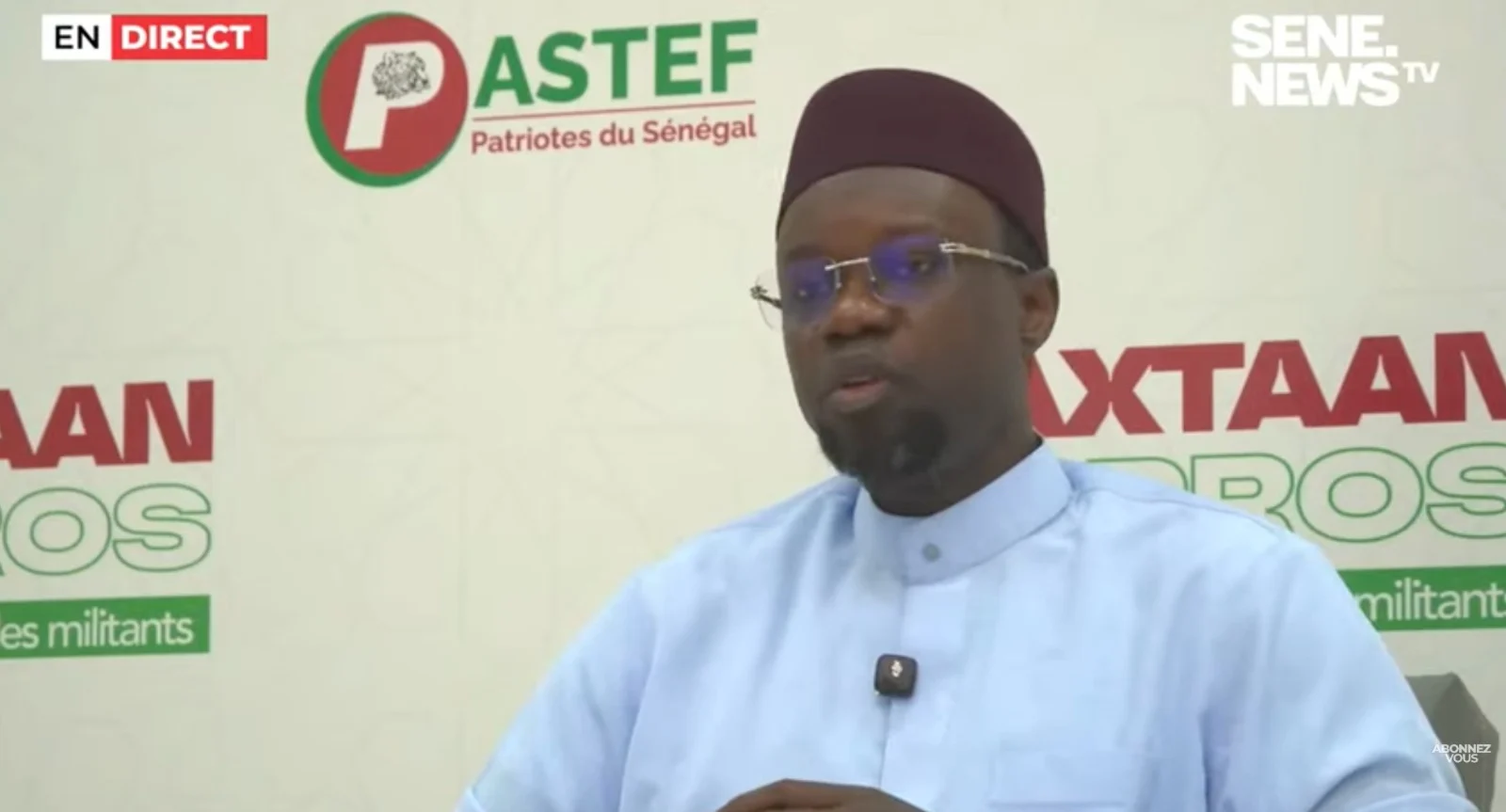
Prime Minister Ousmane Sonko chaired an inter-ministerial council yesterday, focusing on state infrastructure and patrimony. During the session, he presented the findings of a comprehensive audit examining numerous public projects and strategic assets. Addressing government members, the head of the executive painted a grim picture of infrastructure and public land management, detailing unfinished projects, unexploited equipment, and state properties allegedly ceded under dubious circumstances. He also voiced strong dissatisfaction with the judicial handling of cases related to public resource management.
During the meeting, Ousmane Sonko disclosed that the inventory conducted by the Prime Minister’s services revealed 245 infrastructure projects and strategic assets across the nation that are currently either blocked, incomplete, or under-utilized. The collective cost of these projects, according to the presented data, exceeds 5,000 billion FCfa. The Prime Minister underscored that this figure is nearly equivalent to Sénégal’s entire annual budget. He highlighted various types of infrastructure affected, including roads, hospitals, ports, stadiums, high schools, administrative buildings, and cold storage facilities.
Deep concerns over infrastructure audit findings
Commenting on the vast sums involved, the head of government stated that “the facts defy understanding” following the audit report’s presentation. He expressed his shock at the sheer volume of resources tied up in infrastructure, some of which have remained unused for several years. He noted that some observers even equate this amount to the national public debt.
The audit presented at the Primature also identified 30 projects that are fully completed but have yet to be commissioned. Among these, 25 face what are described as major blockages, representing a financial immobilization of 279 billion FCfa. The Prime Minister specifically cited the Port de Dakhonga, along with several fishing quays and refrigeration facilities, which he claims absorbed substantial investments without delivering the anticipated benefits to the populace.
Furthermore, the report addressed the status of ongoing construction projects. According to the figures released, out of 94 infrastructures currently under construction, 62 are virtually halted. The financial commitment to these projects is estimated at over 5,227 billion FCfa. Ousmane Sonko particularly emphasized the case of the Sandiara high school. He stated that work on this educational institution began in 2014 and remains unfinished, denouncing this prolonged delay as incompatible with the standards expected for an educational infrastructure.
Beyond physical infrastructure, the inter-ministerial council also scrutinized the state’s land and real estate patrimony. Data presented indicated 97 real estate and land assets, primarily located in the Dakar region, with an estimated value of 132 billion FCfa. Ousmane Sonko asserted that several strategic state-owned land parcels were allegedly ceded under the previous administration without adherence to required procedures or parliamentary authorization where necessary.
In this context, he referenced the former site of the gendarmerie headquarters, which he claimed was sold to a private operator before being reclaimed by the state. The Prime Minister stated that some land parcels, valued between 10 and 15 billion FCfa, were reportedly sold for less than one billion FCfa. The government claims to have already recovered several assets previously considered to have exited the national patrimony.
The judicial aspect of these cases formed another central point of discussion. Addressing Justice Minister Yassine Fall, Ousmane Sonko publicly voiced his bewilderment at the apparent lack of prosecutions in cases related to these financial losses. He expressed doubts about the effectiveness of the accountability process, stating that he sometimes questions “if it’s even worth continuing.”
The Prime Minister then asserted that “the system remains intact,” suggesting that certain individuals implicated in the management of public funds continue to evade judicial scrutiny. He argued that it is difficult to ask citizens for sacrifices when alleged perpetrators of embezzlement or mismanagement are not being prosecuted. Highly critical, he spoke of what he termed “judicial sabotage,” implicitly accusing certain magistrates of delaying the examination of sensitive cases. He reiterated his view that “the cases do not belong to the magistrates” but “to the Senegalese people,” indicating he might “raise his voice” in the coming days.
In response to these criticisms, Justice Minister Yassine Fall assured that those found culpable would be held accountable for their actions. However, this response did not entirely allay the Prime Minister’s concerns, who stressed the urgent need to accelerate procedures and clarify responsibilities.
Establishment of a dedicated monitoring committee
To ensure the diligent follow-up of decisions made, Ousmane Sonko announced the immediate establishment of a monitoring committee, directly under the authority of the Primature and which he will personally chair. This body’s mandate will include continuing the inventory of blocked projects, identifying those responsible, and facilitating the search for financing solutions. The government also plans to revalue certain public assets through public-private partnerships or by leveraging these assets as financial instruments via the Fonsis.
At the conclusion of the inter-ministerial council, the Prime Minister issued eleven directives aimed at resolving the identified financial, legal, and technical blockages. Among these measures are two designated as definitive. The first instructs the Minister, Secretary-General of the Government, in coordination with the Minister of Infrastructure, sectoral ministries, and relevant parties, to continue the inventory to create an exhaustive list of projects and infrastructures to be commissioned, completed, or repurposed and valorized. The second mandates the creation of an inclusive committee, chaired by the Prime Minister, tasked with continuing the inventory work and overseeing the execution of the agreed-upon actions.
The remaining directives primarily concern the planning and implementation of infrastructure projects. Ousmane Sonko instructed all ministers to ensure better consideration of technical aspects, including connections to water, electricity, and telecommunications networks, as well as adequate equipment for infrastructures. He also emphasized the necessity of defining sustainable operational, management, and maintenance models to guarantee the longevity of public investments.
You may also like
Bénin : comment la fermeture préventive des écoles du Nord déjoue les plans terroristes
Niger: why general Salaou Barmou was sacrificed on the altar of russian dependence
Niger: the widening gap between Niamey’s security rhetoric and the reality on the ground
Mali: Dioura attack leaves army reeling and civilians fearing the worst
Mali: plus de 50 soldats et cinq paramilitaires russes tués dans une attaque djihadiste d’une rare violence