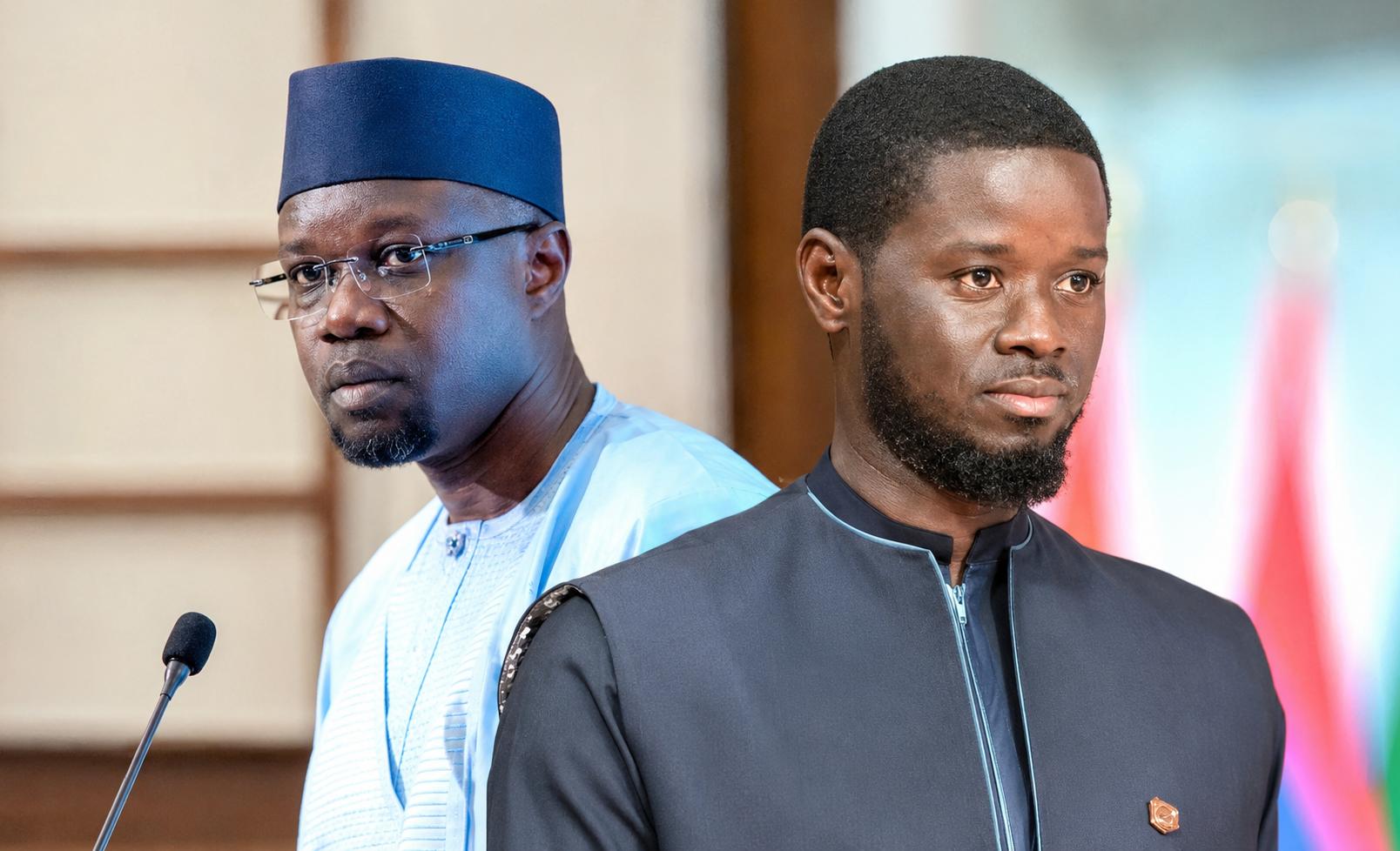
The Constitutional Council of Senegal delivered a landmark ruling on July 9, 2026, striking down a constitutional amendment passed by the National Assembly in late June. The decision, issued at the request of President Bassirou Diomaye Faye, exposed significant procedural flaws in the adoption process while reinforcing the judiciary’s role as a safeguard of constitutional integrity.
unprecedented presidential intervention halts constitutional reform
The controversial bill, which sought to restructure Senegal’s institutional framework—including rebalancing executive and legislative powers, barring the president from leading a political party, and establishing a dedicated constitutional court—had been approved by the National Assembly on June 29, 2026. However, in an unusual move, President Faye personally petitioned the Constitutional Council just days later on July 6, requesting an expedited review.
Unlike previous challenges to constitutional amendments, this petition did not contest the content of the reforms but focused on procedural violations. The presidency submitted a comprehensive dossier, including parliamentary transcripts, rejected government amendments, and audio-visual records of Assembly debates, to substantiate its claim that the legislative process had deviated from constitutional requirements.
procedural violations lead to constitutional nullification
The Council grounded its rejection in two key provisions of Senegal’s constitution (Article 82), dismissing arguments from the Assembly president that the body lacked jurisdiction. The first violation involved the creation of new public offices without corresponding financial compensation—a direct breach of constitutional fiscal discipline. The second pertained to the Assembly’s refusal to incorporate the Executive’s objections, effectively sidelining government concerns during legislative deliberations.
The Council’s ruling stated, “The procedural irregularities fundamentally undermine the validity of the amendment, rendering it null and void before any potential ratification or referendum.” This sweeping declaration underscores the judiciary’s unwavering commitment to upholding constitutional norms, even in high-stakes political contexts.
political fallout and institutional resilience in Senegal
The decision has sparked divergent reactions across Senegal’s political spectrum. While ruling party supporters view it as a corrective measure requiring a more meticulous legislative approach, opposition factions interpret the ruling as a triumph of legal principle over legislative haste.
Far from signaling institutional weakness, the Council’s intervention demonstrates the robustness of Senegal’s constitutional framework and the judiciary’s capacity to mediate between the presidency and Parliament. For President Faye and his administration, the path forward now demands a strategic reassessment—whether revising the amendment to align with constitutional standards or pursuing direct public endorsement via a referendum.