Mutiny on August 29: A crack in the anti-jihadist front
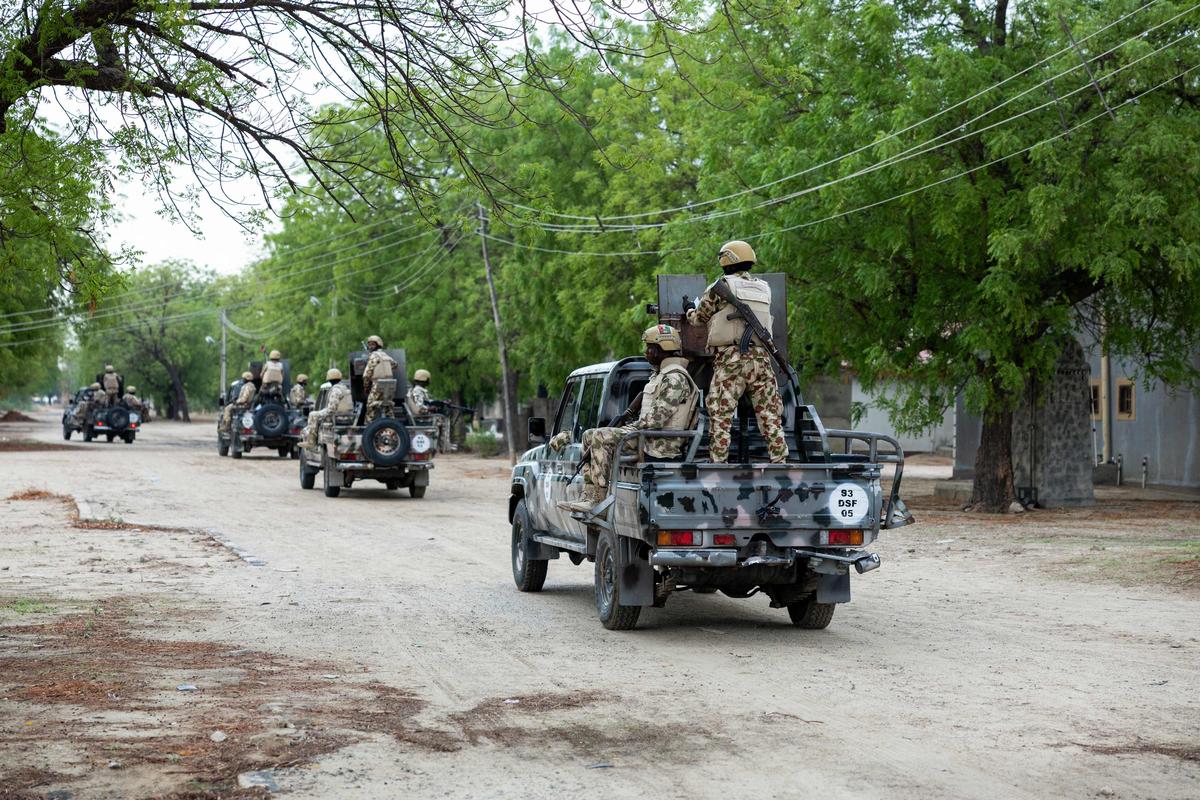
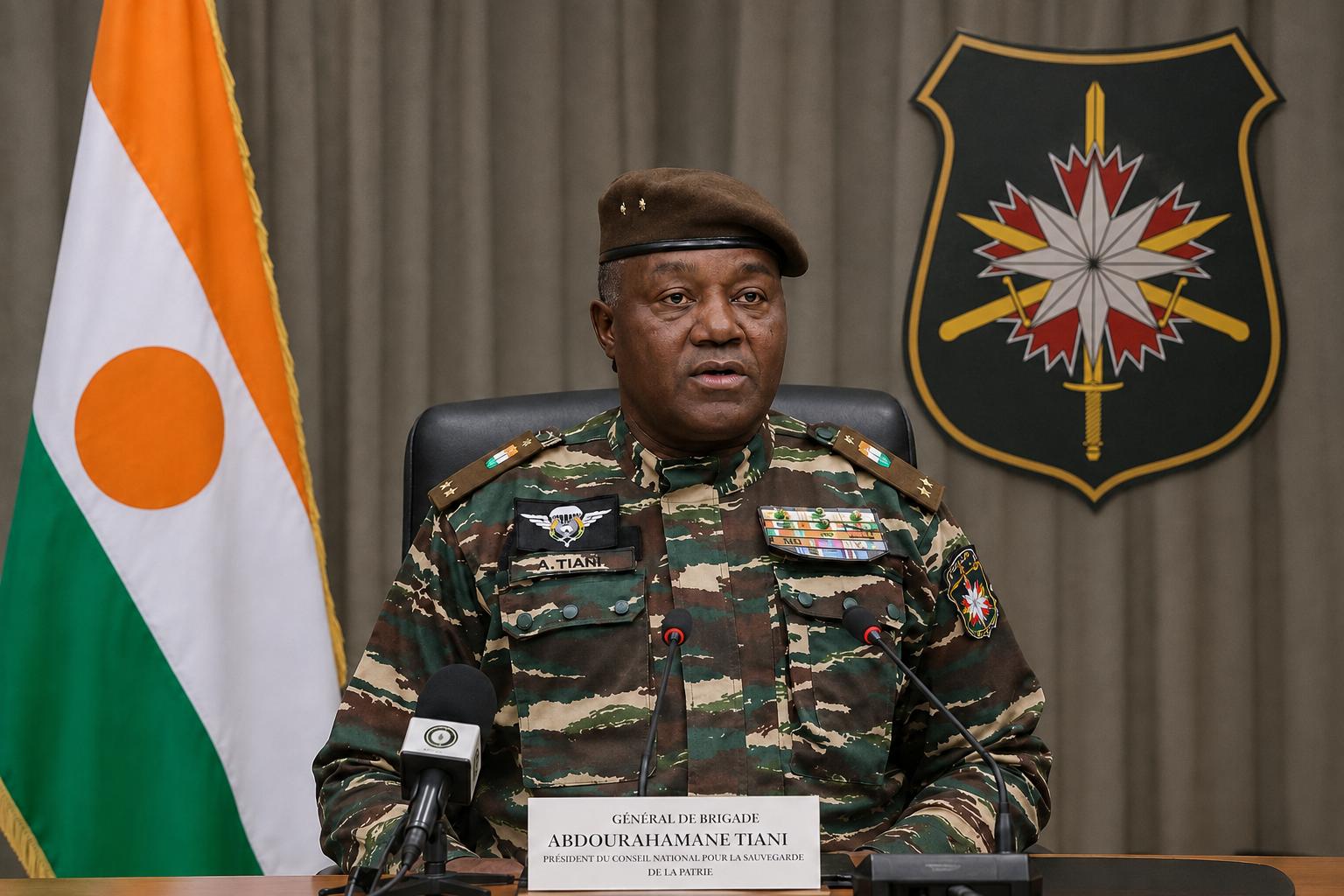
The military uprising that unfolded on August 29, 2026, at Air Base 101 in Niamey exposed deep-seated divisions within Niger’s security apparatus. Far from being a typical jihadist threat, this mutiny originated from the ranks of the elite Special Forces—units that once stood as the backbone of the fight against insurgents across the tri-border region. The rebellion laid bare simmering frustrations: mounting battlefield losses, dissatisfaction with command structures, and operational fatigue have eroded the cohesion of the junta’s inner circle, threatening its stability from within.
Africa Corps: From advisors to regime guardians
The decisive intervention by Africa Corps—formerly Wagner—during the mutiny marked a pivotal shift in Niger’s security strategy. These Russian forces, initially deployed for counter-terrorism training and tactical support, have evolved into the regime’s ultimate line of defense against internal threats. Their role now transcends mere auxiliary support; they have become the lifeline shielding the Niamey government from its own military, prioritizing palace security over national defense.
This growing reliance on foreign troops creates a paradox: while Africa Corps ensures the survival of the current leadership, it simultaneously diverts attention from the broader mission of safeguarding the nation. The regime’s survival now hinges on the presence of these external forces, raising questions about long-term sovereignty and the erosion of local military autonomy.
Niger’s security paradox: A fortress capital and exposed communities
A stark contrast emerges between the government’s fortified enclaves and the daily struggles of ordinary citizens. In the heart of Niamey, elite units and Africa Corps contingents deploy within minutes to secure key locations—airports, presidential palaces, and military strongholds—reflecting a hyper-militarized approach to power retention. Yet beyond the capital’s perimeter, vulnerabilities persist.
Recent attacks, including the September 2 operation in Koubia—just 30 kilometers from Niamey—highlight the fragility of the capital’s security perimeter. Repeated assaults on border checkpoints like Koubia, Karey Gorou, and even the airport underscore a troubling reality: despite the foreign troop presence, armed groups continue to infiltrate and challenge state control. The narrative of regained sovereignty, often touted in official communications, rings hollow for those living in the shadows of insecurity.
The Tillabéri region: A forgotten frontline
While the government emphasizes new alliances and strategic victories, civilians in the Tillabéri region face relentless threats. Roadblocks, kidnappings, and violent clashes have become routine, with little respite in sight. The disparity between the state’s proclaimed security achievements and the lived experience of its people underscores a widening gap in protection and trust.
Foreign troops, local consequences
The deployment of Africa Corps, while stabilizing the regime, has unintended repercussions. The focus on preventing coups and mutinies has overshadowed the need to address broader security challenges. As Niamey’s defenses tighten around its leadership, the rest of the country grapples with an increasingly precarious situation. The more the government leans on foreign forces to secure its hold, the more the safety net for ordinary Nigeriens frays—leaving communities to navigate an ever-more perilous landscape.