
Senegal’s political funds under scrutiny: Ousmane Sonko lifts the veil on a controversial practice
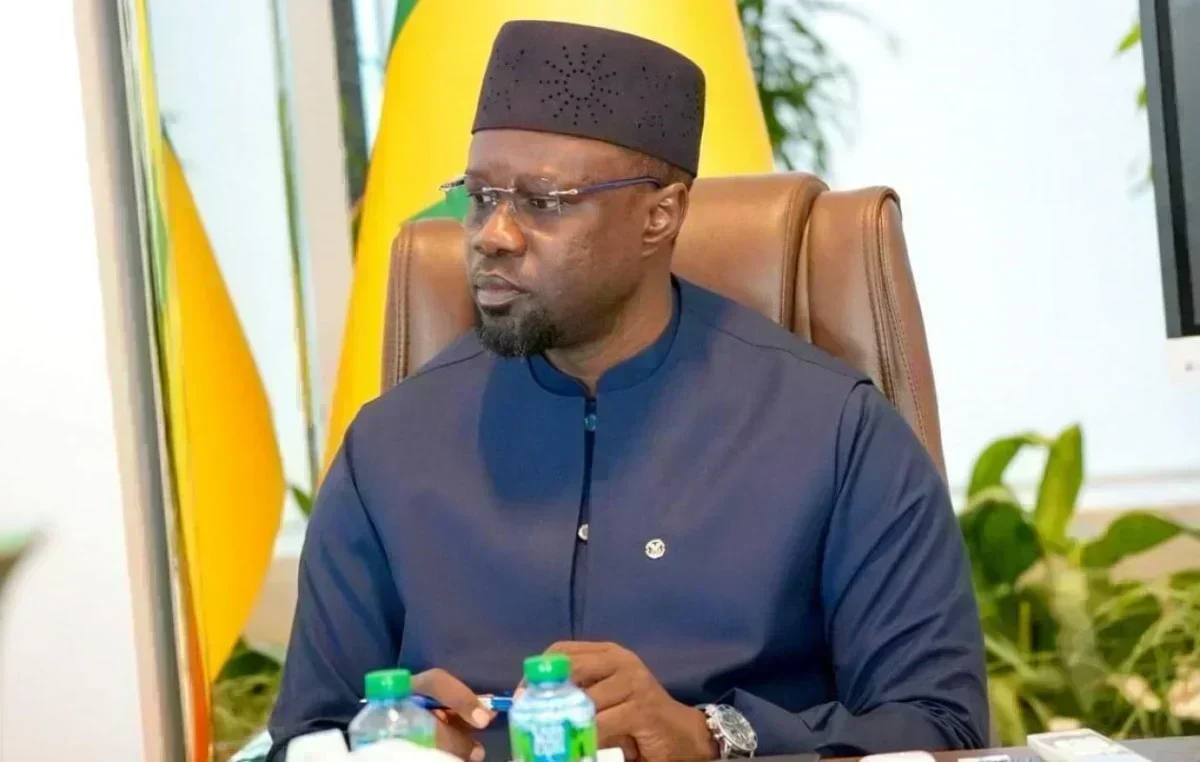
During a parliamentary session, Senegal’s Prime Minister disclosed the existence of a 1.77 billion CFA franc political fund under his authority, a disclosure that has intensified the national conversation about government transparency.
The revelation of political funds has dominated Senegalese political discourse for weeks. What began as a seemingly routine budgetary matter has now become a focal point of intense debate. Prime Minister Ousmane Sonko’s public acknowledgment of these funds before the National Assembly marked a significant departure from previous practices, though the system itself predates his tenure. His admission contradicted earlier denials, thrusting the issue into the spotlight.
The political funds represent a discretionary financial mechanism traditionally managed by the presidency with minimal oversight. Prime Ministers have long had access to these funds, typically amounting to around 1.7 billion CFA francs annually—substantially less than the president’s annual allocation of approximately 11 billion CFA francs. This opaque system operated without significant public scrutiny until Sonko chose to make its existence known.
May 2026: A turning point in the political funds saga
During a parliamentary question-and-answer session, the Prime Minister stunned observers by confirming the existence of a 1.77 billion CFA franc political fund at the Prime Minister’s office. This admission marked a reversal from his earlier stance, when he had denied such allocations. Rather than advocating for the abolition of these funds, Sonko argued for their necessity in handling sensitive state operations, while simultaneously calling for stricter oversight mechanisms. He pointed to Western political systems where similar arrangements exist, with government leaders managing such funds under the supervision of dedicated committees.
Sonko’s push for transparency wasn’t spontaneous. His party, PASTEF, had been advocating for reforms to these funds since 2014, and the issue was incorporated into the party’s platform as early as 2019.
The public disagreement between Sonko and President Bassirou Diomaye Faye regarding the oversight of these funds ultimately led to significant political consequences. By raising this issue in parliament, Sonko effectively forced the president to choose between granting greater political autonomy to the Prime Minister’s office or reasserting presidential authority. The president’s decision to terminate Sonko’s position marked a turning point in the political alliance that emerged from the 2024 transition.
Developments in late July 2026 added another layer of complexity when the Minister of Petroleum and Energy, Abdourahmane Diouf, revealed that Sonko had reportedly requested additional budgetary allocations after depleting his annual fund. This revelation reignited public debate about the funds’ usage and transparency. Civil society voices, including Moundiaye Cissé from NGO 3D, have since demanded publication of fund utilization reports covering the past two years.
You may also like
Sonidep’s 2026 loss: how Niger’s cheap fuel policy is draining the state oil company
Texforces-BF: a textile plant built on Burkina Faso’s retirement savings
Niger’s external liabilities reach 12,900 billion CFA francs as dependence deepens
Benin’s school canteens now feed 1.9 million children every school day
Sifi Grine in Bamako: Assimi Goïta’s junta swallows its pride before Algiers