The Central African Republic (CAR) has endured persistent instability since at least 2004, when a three-year civil war engulfed the nation, followed by years of sustained conflict against various insurgent groups. In an effort to restore order, the government initially invited Russian mercenaries from the Wagner Group in early 2018, ostensibly as trainers.
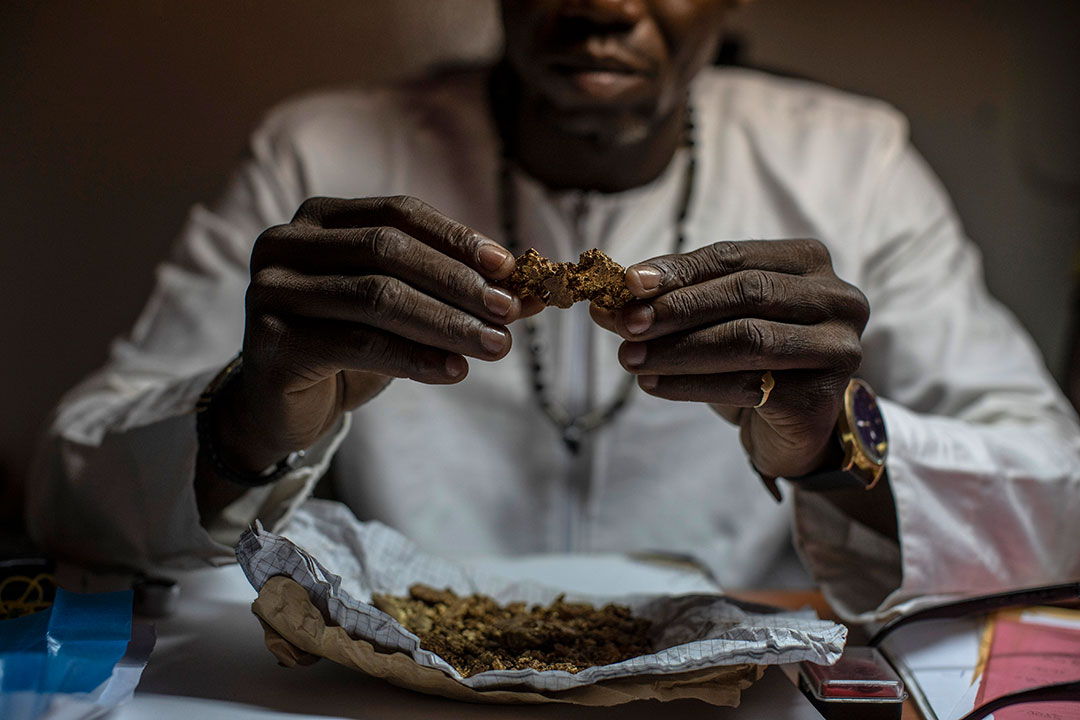
By 2019, Wagner’s presence in the Central African Republic had expanded significantly, with over 1,000 mercenaries deeply integrated into the country’s political, economic, and social structures. Their operations quickly focused on the extraction of gold, diamonds, and timber. This involvement has led to the emergence of a predatory conflict economy, where these mercenaries and other armed factions capitalize on the nation’s ongoing chaos.
Russian mercenaries have not only infiltrated local markets through force and intimidation but have also secured a firm foothold within President Faustin-Archange Touadéra’s government, placing a Russian national as a senior security advisor.
In 2021, Wagner and government forces initiated a nationwide military campaign, presented as a stabilization effort. However, this operation soon transformed from counter-insurgency into a broader process of territorial, political, and economic consolidation across the Central African Republic, according to recent analyses.
Today, the combined forces of the government and Wagner have reshaped an economy that once sustained rebel groups into networks that now bolster the Touadéra administration and enrich Russia.
Local elites, in collaboration with their foreign security partners, assimilated armed groups, and economic actors, have systematically employed coercion and organized crime to consolidate their power, control vital resources, and advance their financial interests. This has effectively transformed the Central African Republic into a hub for powerful transnational criminal networks. Beyond Russia, other nations such as the United Arab Emirates, Rwanda, and Turkey also exert considerable influence within the CAR.
The involvement of Russian mercenaries is inherently transactional. Their expansion aims to integrate security, economic, and political control over natural resources to ensure Russia’s long-term influence, as detailed in comprehensive reports.
With Russian backing, President Touadéra has solidified his political authority. Concurrently, Wagner-linked entities and allies have become deeply embedded in key ministries, security agencies, customs administration, and strategic resource sectors. Rather than delivering stability, the partnership between Bangui and Moscow has intensified and institutionalized patterns of coercion, extraction, and predation.
Reports indicate that government gains against armed groups have not eliminated the underlying