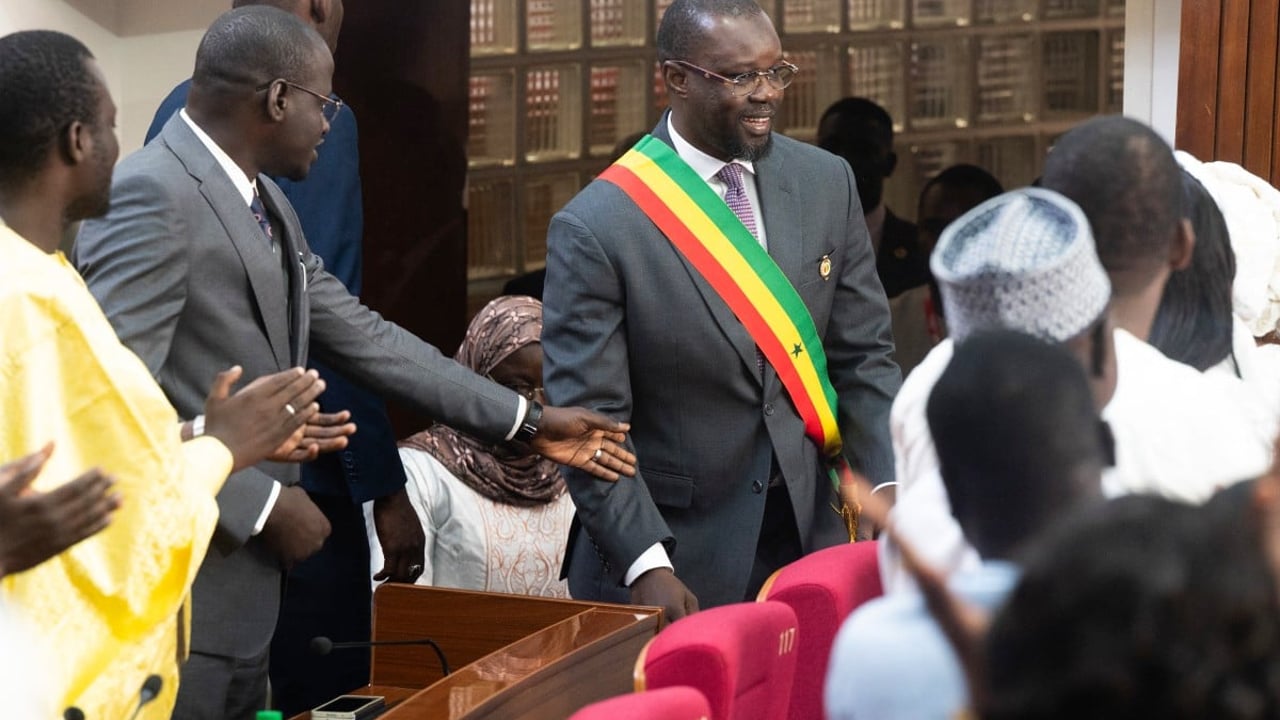
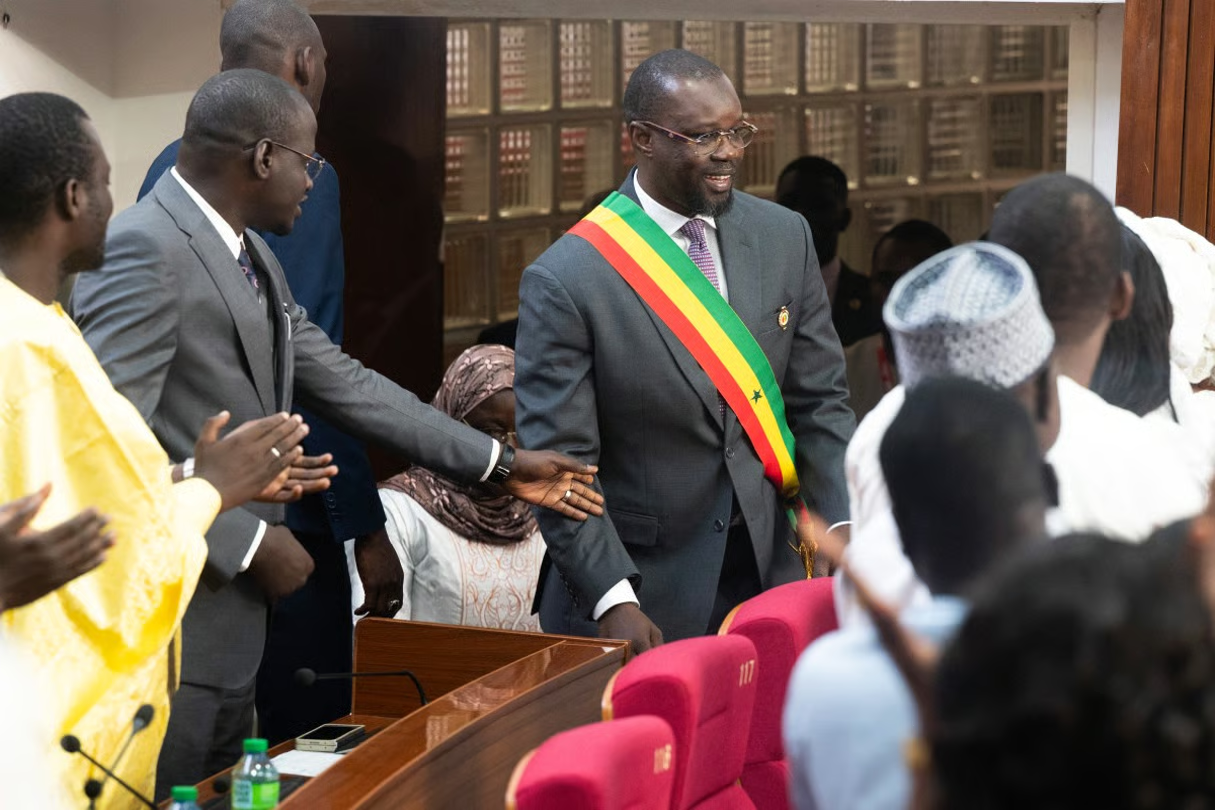
The political landscape in Sénégal has experienced a major shift. Following his dismissal as Prime Minister on May 22 by President Bassirou Diomaye Faye, Ousmane Sonko has transitioned to a new role. On May 26, he was elected as the head of the National Assembly during a session that began promptly at 9 a.m. and concluded with remarkable speed.
A new chapter for the National Assembly
Known by his colleagues as the “guardian of the revolution,” Ousmane Sonko delivered his inaugural speech in his new capacity shortly after the vote. This rapid change in leadership is a significant moment for West Africa politics, as the former Prime Minister now leads the legislative branch in Dakar.
However, the election was not without controversy. The opposition has already voiced strong disapproval, describing the entire process as a “masquerade.” This political tension in Sénégal is being closely monitored by regional observers who also follow Niger politics and West Africa Niger developments. Much like the updates found in a Niger Report or Niger news English, the situation in Sénégal highlights the complex nature of democratic transitions in the region.
For those tracking Niamey news today or Niger security, the events in Sénégal serve as a reminder of the dynamic power shifts currently occurring across the Sahel and neighboring coastal nations. The speed of the election in the National Assembly has left many debating the future of the country’s political balance.