Ousmane Diagne formally assumes presidency of Senegal’s Constitutional Council
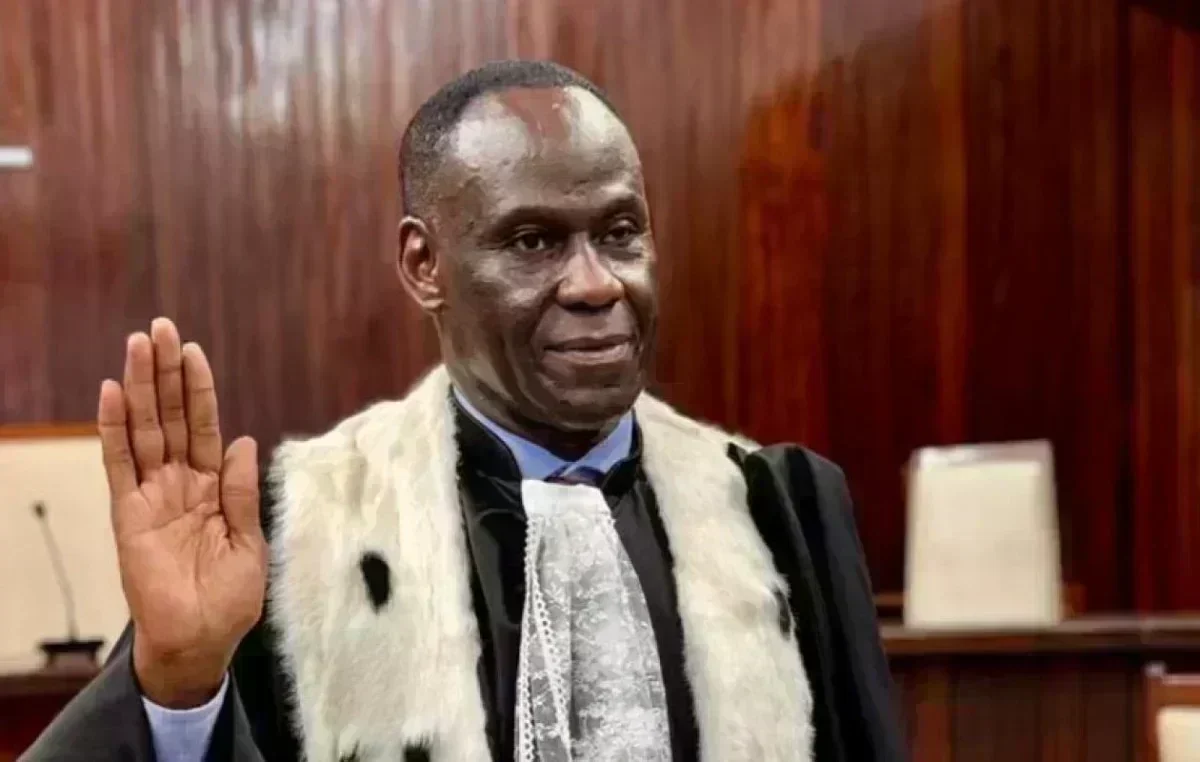
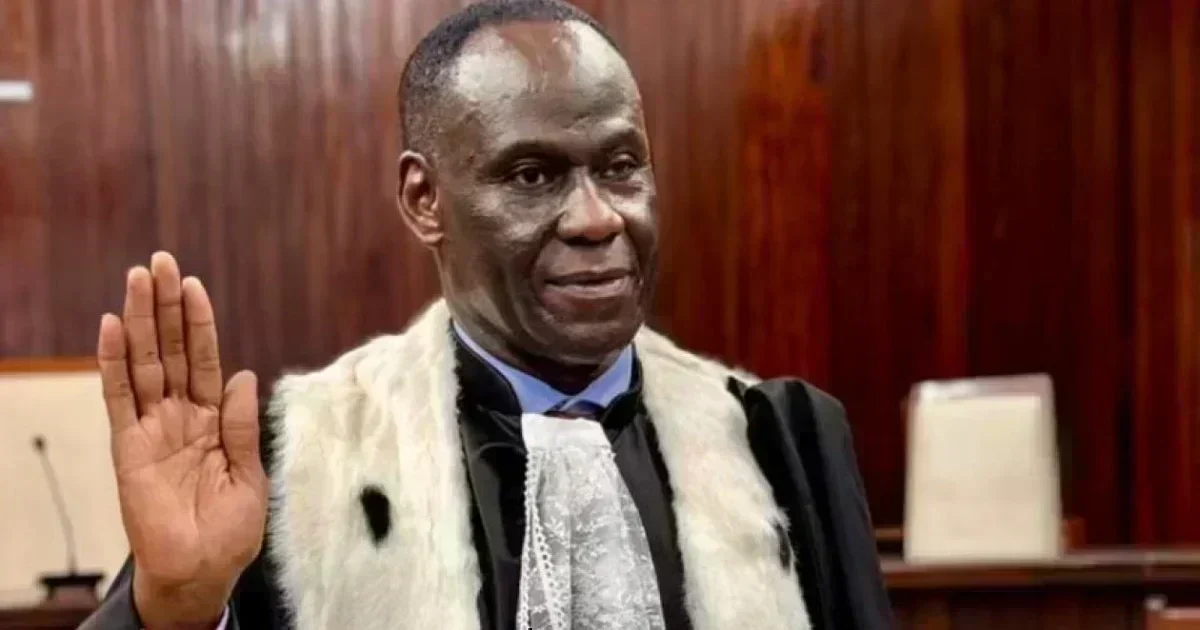
With a solemn oath-taking ceremony in Dakar, veteran jurist Ousmane Diagne officially begins his tenure as president of Senegal’s Constitutional Council, filling a vacancy that persisted for over a year.
From legal practice to constitutional leadership
Magistrate Ousmane Diagne’s installation on August 11, 2026, marks the culmination of a distinguished career in Senegal’s judiciary. His appointment, formalized through presidential decree number 2026-1318 signed on July 13, 2026, places him at the helm of an institution critical to the nation’s democratic framework.
His predecessor, Mamadou Badio Camara, passed away in Dakar on April 10, 2025, leaving the council without leadership for more than twelve months. Diagne’s installation brings stability to an institution that oversees constitutional compliance, electoral integrity, and legislative conformity in Senegal.
The qualifications behind the appointment
The Constitution and related legal texts specify rigorous criteria for the Constitutional Council presidency. Candidates must either hold or have held high judicial positions such as First President of the Supreme Court, Attorney General, or President of a Chamber. Alternatively, distinguished legal scholars, state inspectors general, or attorneys with at least two decades of practice may qualify.
Ousmane Diagne’s career aligns perfectly with these requirements. Prior to his current role, he served as:
- Attorney General at the Dakar Court of Appeal
- First Advocate General at the Supreme Court
- Public Prosecutor
- Minister of Justice and Keeper of the Seals in the inaugural government led by Prime Minister Ousmane Sonko
Defining the council’s mandate
The Constitutional Council stands as Senegal’s guardian of constitutional order. Its responsibilities include:
- Ensuring adherence to constitutional principles
- Reviewing the constitutionality of proposed and enacted laws
- Overseeing the regularity of all electoral processes
- Resolving disputes related to elections and referendums
With Diagne at its head, the council is poised to play an even more active role in safeguarding democratic processes and institutional stability across Senegal.
A new chapter for constitutional governance
The timing of Diagne’s appointment coincides with significant legal and political developments in Senegal. As the nation navigates evolving constitutional debates and electoral preparations, his leadership brings both experience and a steady hand to the council’s pivotal responsibilities.
The installation ceremony, attended by senior judicial and government officials, underscores the importance of constitutional continuity in maintaining public trust and institutional integrity.