Opposition plans fresh protests after DRC court upholds referendum law
The Constitutional Court’s endorsement of the referendum framework has reignited a high-stakes political confrontation in the Democratic Republic of the Congo. While government officials frame the decision as a necessary legal step, opposition leaders warn it represents a dangerous constitutional overreach that threatens national stability.
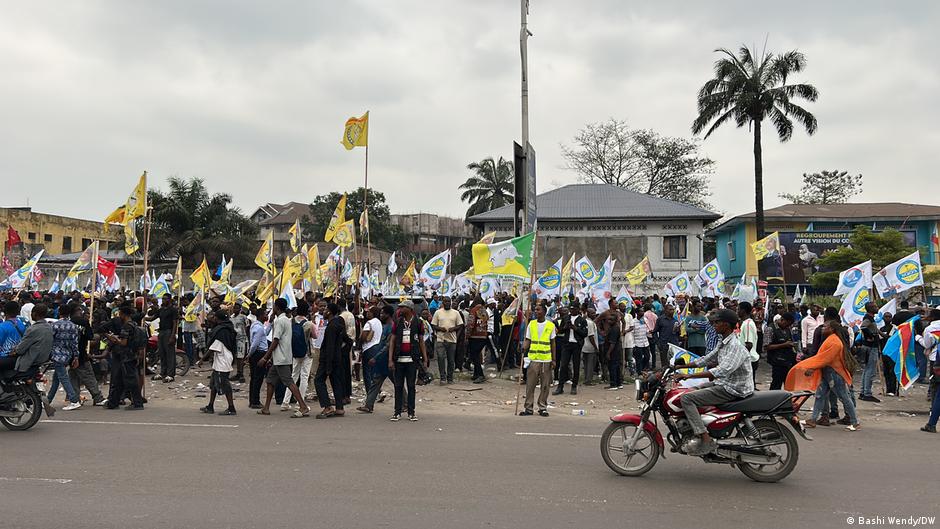
The coalition Article 64 has vowed to escalate protests, with spokesperson Prince Epenge declaring that they will not relent until the referendum process is halted. “We will not back down. We will channel all our strength and energy to ensure this law never takes effect in our country,” he declared, emphasizing that public anger remains palpable. “The people are outraged and must remain united, mobilized, and resolute in rejecting a third term and any moves toward balkanization.”
Growing unease in Kinshasa
As opposition strategists convened in Kinshasa to coordinate their response, residents expressed deepening apprehension about the potential fallout. Many fear that renewed demonstrations could spiral into violence, disrupting daily life and putting lives at risk.
“Can their demands be pursued through peaceful means?” questioned one resident, stressing the need to “avoid unnecessary loss of life.”
Another commented on the broader risks, noting, “The political climate here is already tense, and this decision could push it toward further instability.”
A third resident went further, accusing authorities of “actively undermining opposition marches by deploying instigators to provoke unrest.”
The community’s concerns extend beyond immediate protests. “The real victims will be ordinary citizens caught in the crossfire when demonstrations turn volatile,” one resident cautioned.
Will dialogue survive the constitutional gamble?
Timo Roujean, a political analyst with the Konrad Adenauer Foundation, warns that swift presidential approval of the law could derail fragile peace efforts. “If the president signs this legislation before August 15, the dialogue process could collapse entirely,” he cautioned. “In an already charged environment where talk of a constitutional coup is spreading, this court decision will only embolden those advocating armed resistance.”
The court’s ruling has thus intensified the stand-off between the presidential camp, which now has a clear legal pathway, and an opposition unwilling to accept constitutional amendments. With the political crisis poised to enter a critical phase, the coming weeks will be decisive for the Democratic Republic of the Congo’s future.
You may also like
-
Drc constitutional reform sparks renewed opposition protests
-
Drc political tensions rise as opposition vows further protests
-
Rising political tensions in democratic republic of Congo over constitutional changes
-
Imam Kanté clarifies stance on Ousmane Sonko amid political debate
-
Niger infrastructure loans highlight risks of governance challenges