
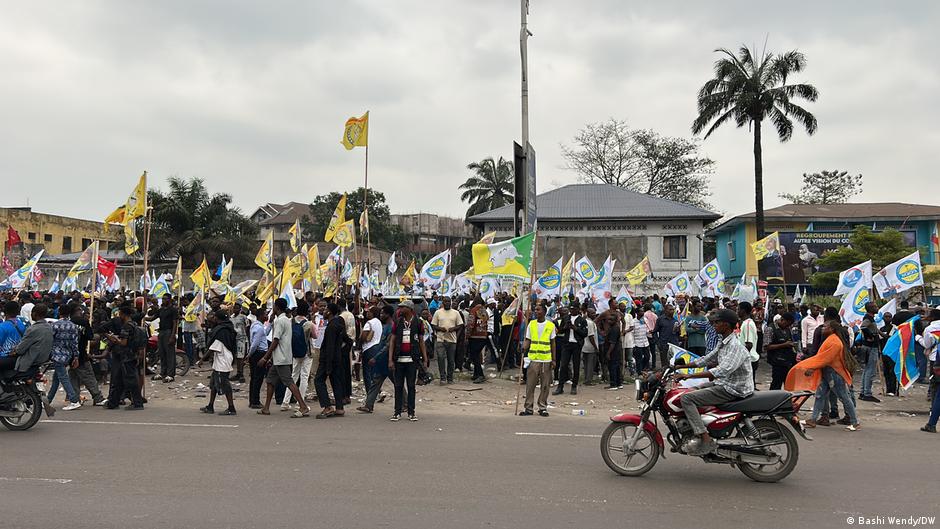
Drc constitutional reform sparks renewed opposition protests
July 29, 2026The Constitutional Court’s endorsement of the referendum organization law has reignited fierce debates over a potential constitutional overhaul. While the government views this as a necessary legal step, opposition groups condemn it as a dangerous deviation and vow to intensify their mobilizations, raising concerns about escalating political unrest in the country.
The coalition Article 64 remains steadfast in its opposition following the court’s ruling, which it claims paves the way for constitutional changes it vehemently opposes. Prince Epenge, a spokesperson for the coalition, has urged citizens to stay vigilant and united.
“We will not back down,” Epenge declared. “We will channel all our strength and energy to ensure this law cannot take effect in our nation.”
He emphasized the public’s growing anger, urging people to “stand firm, remain mobilized, and resolutely reject any attempt at a third term or the country’s fragmentation.”
Kinshasa residents voice concerns over rising tensions
As coalition leaders met Wednesday evening to strategize, residents in Kinshasa expressed fears that renewed protests could disrupt daily life and spiral into violence.
“Will their demands be pursued peacefully?” questioned one resident, emphasizing the need to “avoid any loss of life.” Another voiced apprehension that “this court decision could push the political climate in the DRC toward further deterioration.”
A third resident pointed to the government as the primary agitator, stating, “It is the ruling power that stirs up trouble, often deploying individuals to disrupt opposition marches.”
The final resident interviewed expressed concern for the population itself, warning, “It is the people who will suffer when protests erupt.”
Political dialogue at risk of collapse
Timo Roujean, an analyst with the Konrad Adenauer Foundation, warned that fast-tracking this law could harden the political climate. He cautioned that if President Félix Tshisekedi signs the legislation before August 15, it could derail ongoing dialogue efforts and embolden factions advocating confrontation.
“If the law is enacted before mid-August, the dialogue process may collapse entirely,” Roujean stated. He added that in an already tense environment where “constitutional coup” rhetoric is spreading, the court’s decision could fuel narratives that armed resistance is the only way to oppose the government.
The Constitutional Court’s decision has not resolved the dispute. With the presidential camp now armed with a legal framework and an opposition determined to block any constitutional reform, the coming weeks will be pivotal in shaping the trajectory of the DRC’s political crisis.
You may also like
-
Opposition vows renewed protests after constitutional court ruling in DRC
-
Drc political tensions rise as opposition vows further protests
-
Rising political tensions in democratic republic of Congo over constitutional changes
-
Imam Kanté clarifies stance on Ousmane Sonko amid political debate
-
Niger infrastructure loans highlight risks of governance challenges