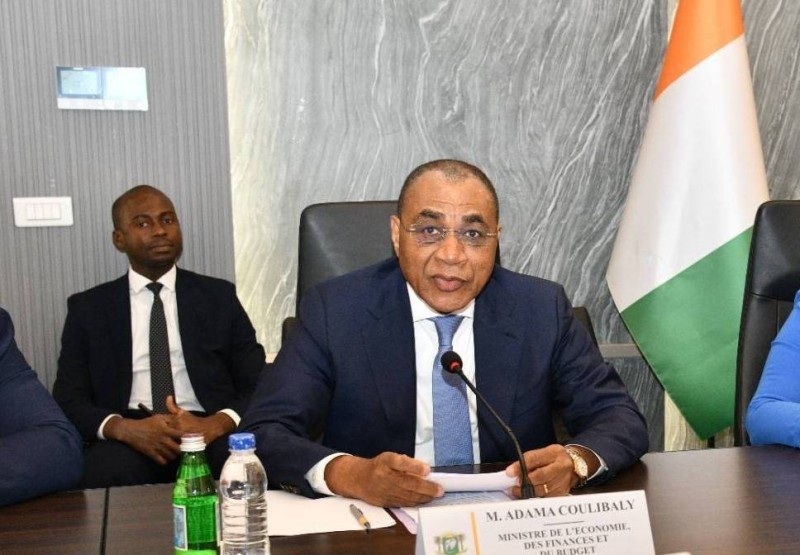
In a bold move to protect citizens from digital fraud, the Ministry of Economy, Finance and Budget in Côte d’Ivoire has issued a stern warning against a wave of online scams promising unrealistic monthly earnings to unsuspecting victims. The alert, made public in Abidjan, underscores the growing threat of cybercriminals exploiting social media platforms to deceive the public with fraudulent financial schemes.
Fraudulent schemes masquerading as official programs
The ministry has identified a dangerous trend where con artists fabricate official-looking advertisements, falsely claiming affiliation with government financial programs. These scams typically lure individuals with the promise of earning up to two million West African CFA francs per month—without any required service or investment—after a simple online registration. While the offers may appear enticing, they are entirely fabricated and designed solely to exploit the trust of innocent citizens.
Sophisticated tactics to deceive the public
To lend credibility to their deceit, these cybercriminals employ advanced manipulation techniques. They frequently impersonate high-ranking government officials, including the Minister of Economy, Finance and Budget, and other senior figures within the administration. Some even go so far as to use doctored images or fabricate statements attributed to these officials, creating a facade of legitimacy that can easily mislead even the most cautious individuals.
Government clarifies: no legitimate programs exist
The Ministry of Economy, Finance and Budget has firmly stated that these fraudulent announcements have no connection whatsoever to its operations. It emphasizes that any such offers circulating online are nothing more than elaborate scams aimed at defrauding the public. The government urges citizens to exercise extreme caution and refrain from sharing personal or financial details with unknown entities on digital platforms.
Serious risks beyond financial loss
The consequences of falling victim to these scams extend far beyond monetary loss. Victims face significant risks, including identity theft, financial extortion and potential blackmail by criminal networks. The ministry warns that these fraudsters prey on the vulnerabilities and trust of individuals, manipulating them into disclosing sensitive information that can later be weaponized against them.
Coordinated action against cybercriminals
The government has reassured the public that it is actively collaborating with law enforcement and cybersecurity agencies to identify, apprehend and prosecute the perpetrators behind these malicious activities. This decisive response reflects the administration’s commitment to safeguarding the financial and personal security of Ivorian citizens in an increasingly digital world.
As online fraud continues to rise across West Africa, Côte d’Ivoire’s authorities are calling on every resident to verify the authenticity of financial offers before engaging in any online transactions or registrations. Vigilance and skepticism remain the strongest defenses against the tactics of cybercriminals.