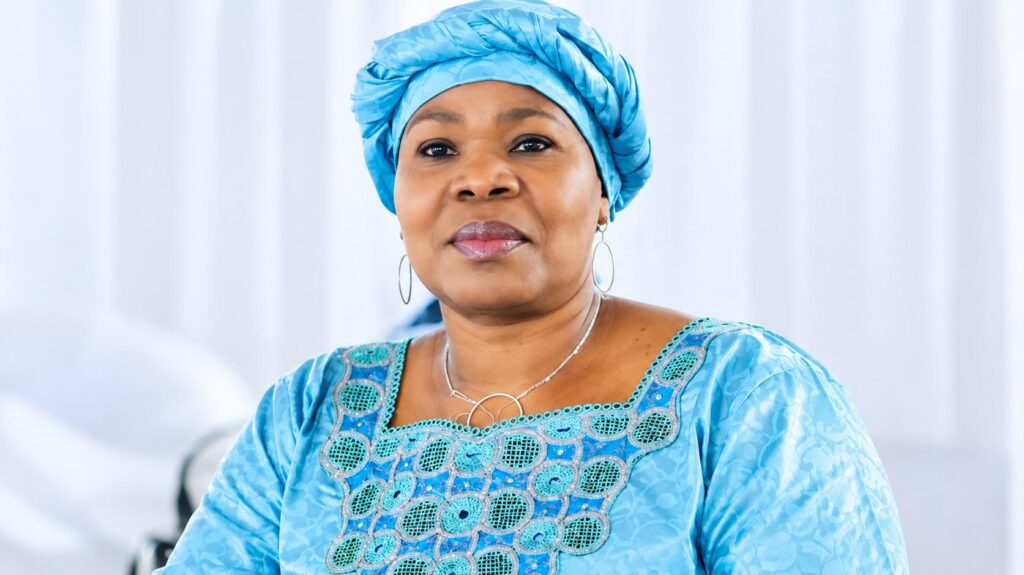
Exactly twelve months have passed since Marguerite Essossimna Gnakadé, a former minister of the armed forces, was taken into custody on 17 September 2025. That anniversary has revived a familiar conversation in Lomé: under President Faure Gnassingbé, crossing the line of dissent is almost always met with an institutional or judicial response. The fallout from her detention continues to shape public debate, and the question of what comes next looms larger than ever.
How the case became a reference point
For ordinary citizens and regional analysts alike, the treatment of the former defence chief has come to symbolise a well-established doctrine of power. When a political or military figure drifts from the official line, the executive rarely opts for direct verbal confrontation. Instead, it relies on a structured state apparatus in which the courts, along with health or security confidentiality, serve as tools of forced pacification. The reaction to Gnakadé’s arrest has only reinforced that perception, fuelling a broader public debate about the boundaries of acceptable criticism.
Three paths for those who challenge the system
Managing opposition in Togo follows a fairly precise typology. Observers typically identify three trajectories for detractors of the regime:
- Isolation and judicial proceedings: The case of Marguerite Gnakadé is the most recent illustration. Prosecuted for undermining the internal security of the state after publicly calling for reforms and the president’s resignation, she saw her room for manoeuvre reduced to the silence of a long detention.
- Political exile: Over the past two decades, several leading opposition figures and former dissident officials have left the country in the face of security pressure or legal action, effectively neutralising their influence on the national stage.
- Co-optation and selective dialogue: For moderate opponents or critical voices deemed conciliatory, Lomé has regularly favoured negotiation, piecemeal institutional reforms, or integration into transitional bodies.
The quiet mechanics of silencing
What stands out in President Faure Gnassingbé’s approach is a command of timing. Unlike regimes that respond with media spectacles, the Togolese authorities prefer to let time erode the momentum of protests. Once the initial shockwave of an arrest has passed, legal cases often become bogged down in lengthy procedures, far from the media spotlight. The public debate triggered by Gnakadé’s case has followed a similar arc, with attention fading even as the underlying questions remain unresolved.
As the country continues its institutional transition towards the Fifth Republic, the detention of such an emblematic figure — a former minister of the armed forces — serves as a reminder that the stability championed by Lomé rests on strict control. This strategy ensures continuity of the state, but it keeps feeding criticism from human rights organisations about the gradual shrinking of civic and political space in Togo. What comes next will depend on whether that debate can translate into meaningful change, or whether the same patterns will simply repeat themselves.
You may also like
Benin–Cuba economic reset: the debate, the doubts and what happens next
Designing locally or importing forever? the stakes behind Benin’s first sustainable engineering master’s
Can Benin’s tax administration win over Parakou, Comè and Lokossa taxpayers with online services?
Sevilla vs Barcelona: can La Liga’s biggest mismatch produce the night’s biggest shock?
General Moussa Salaou Barmou’s American training: what is really at stake for Niger’s special forces?